LIFE AND WORK · A PRIVATE ARCHIVE
JunyūKitayama
北山淳友
Philosopher, Buddhist monk and judo teacher. A life between Japan and Europe.
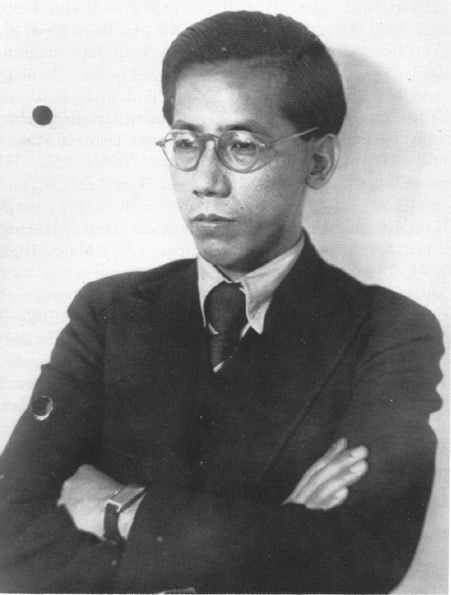
1902 — 1962
29 January 1902 · Yaizu
19 January 1962 · Prague
Japan · Germany · Czechoslovakia
About this archive
This website brings together information, photographs, writings and personal recollections of Junyū Kitayama (北山淳友), a Japanese philosopher, linguist and teacher who spent most of his life in Germany and Czechoslovakia.
The archive grew out of a personal interest in his life and work. Help trace the story of a man who brought languages, cultures and traditions of thought into conversation.
The language editions are draft translations. Historical details, quotations and transcriptions of names require editorial review. Scans and linked documents remain in their original languages.
Added 20 November 2026
Newly added sources
Archive contents
Biography
School years documented in his own CV
CV attested by the Japanese Embassy in Berlin on 3 May 1927. Material supplied by Lute Currie through the archive editor. It corrects the older secondary-school completion date of 1921 to March 1920.
| 1908-04 — 1915-03 | Elementary school in Kogawa district, Shizuoka Prefecture. |
|---|---|
| 1915-04 — 1920-03 | Secondary school (Gymnasium) in Shizuoka. |
| 1920-04 … | Six semesters at a Buddhist university in Tokyo; the document does not name the institution or give a graduation date. |
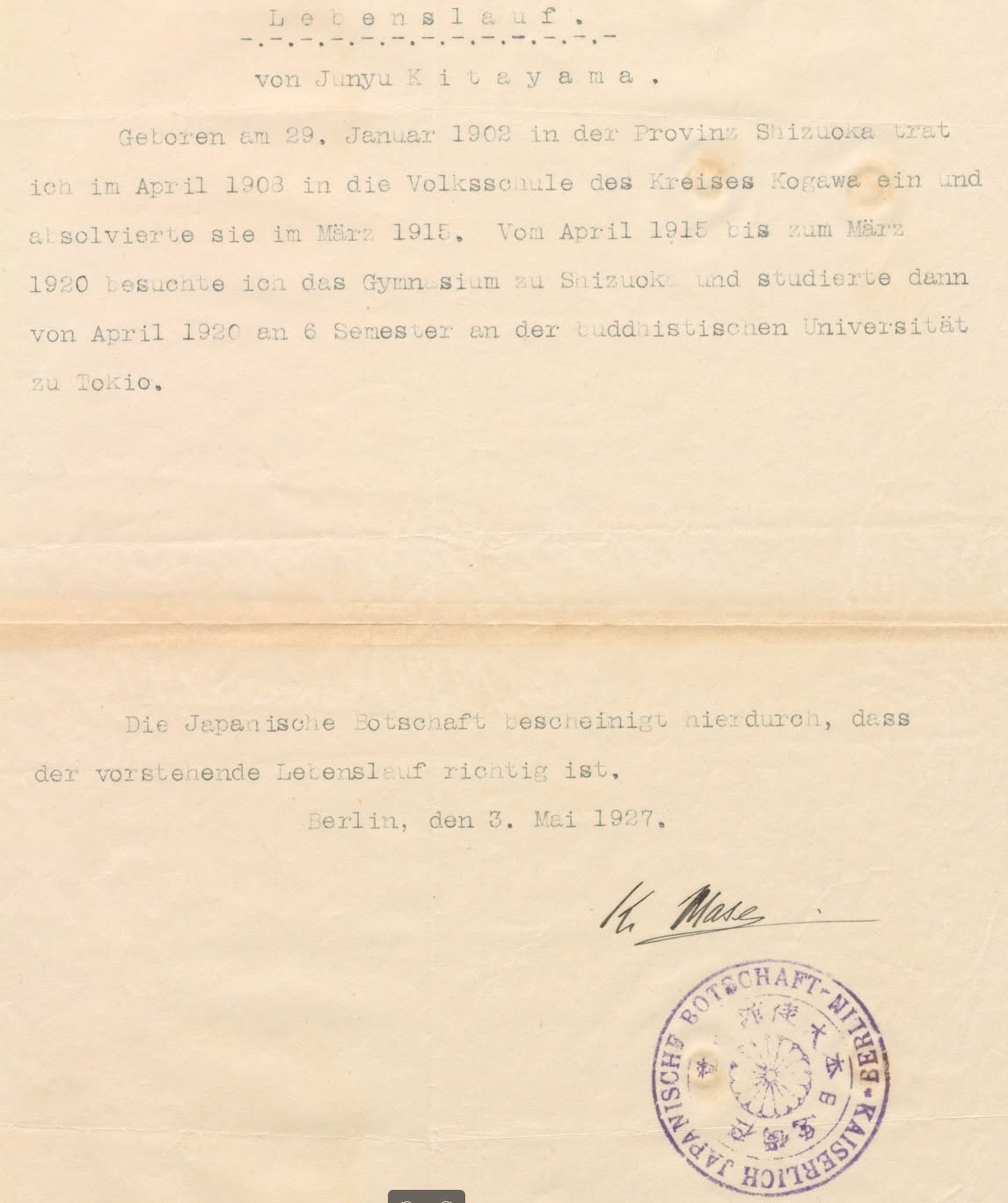
New Heidelberg study records · Tomáš Gecko: Džunjú Kitajama (2020)
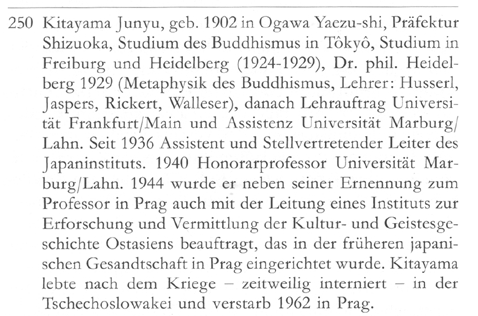
Junyū Kitayama was born on 29 January 1902 in the Kogawa district of Yaizu. He was the eldest son of Akira Shinobu (Ninkō) Kitayama, the twenty-eighth-generation head priest of the Buddhist temple Kyōnen-ji (教念寺), also in Yaizu. His mother was Sue, née Sekiya. His siblings were Shōho and Komyō/Komei. He came from a former samurai family; his grandfather was a well-known swordsman in Japan and taught him jūjutsu. His early schooling is now documented by his own 1927 CV, reproduced in the timeline above. His CV, attested by the Japanese Embassy on 3 May 1927, records secondary school in Shizuoka from April 1915 to March 1920, correcting the previously stated year 1921.
The earlier compilation gives 1924 as his graduation year at Shūkyō Daigaku. His CV of 3 May 1927 records six semesters at a Buddhist university in Tokyo from April 1920 but does not give a graduation date. Shūkyō Daigaku (宗教大学, “Religious University”) was a private Buddhist institution in Tokyo. In 1926 it merged with other schools to form Taishō University (大正大学). Some German sources describe Kitayama as a Buddhist monk, and some of his later publications identify him with Taishō University. He studied Buddhism, Japanese literature and German philosophy there.
He went to Germany in the mid-1920s to study philosophy under Edmund Husserl at Freiburg. Sources differ on the starting date: the earlier compilation gives 1926, whereas Gecko (2020) dates his Freiburg studies to 1924–1927. In 1927 he continued his studies with Karl Jaspers at Heidelberg University. He moved there in the hope of completing his doctorate quickly and returning to Japan, as his father had stopped sending financial support. Husserl sent a letter to Japan praising Kitayama; this apparently helped him remain abroad.
He also studied the history of religion under W. Otto. His philosophical specialism was Indian Mahāyāna Buddhism, the subject of the doctoral dissertation he completed under Karl Jaspers in 1931. Some Japanese sources give 1929 as the year he received his doctorate and state that his time at Heidelberg ended in 1930. Gecko (2020, p. 51) dates the doctorate more precisely to June 1931. The university leaving certificate of 20 December 1929 is a different document from a doctoral diploma.
From 1929 to 1936 he taught Japanese and East Asian culture at Frankfurt University, with seminars on Japanese poetry, the interpretation of Japanese Buddhist philosophy and an introduction to the Japanese language. With support from local businesspeople, he later established the small Japanese institute Kyōshitsu, a predecessor of the local Japanese–German institute. He also practised judo with the group around Alfred Rhode at the 1. Deutschen Jiu-Jitsu-Club e. V.
The club was later renamed the 1. Deutscher Judo-Club e. V. (1. DJC). Around the same time Kitayama was also active in some capacity at Marburg University, where he met Otto and Frick. On Frick’s initiative, he was appointed honorary professor of East Asian cultural and religious studies at Marburg in 1940, in connection with the Religionskundliche Sammlung. He also taught comparative religious subjects there in 1941 and 1944.
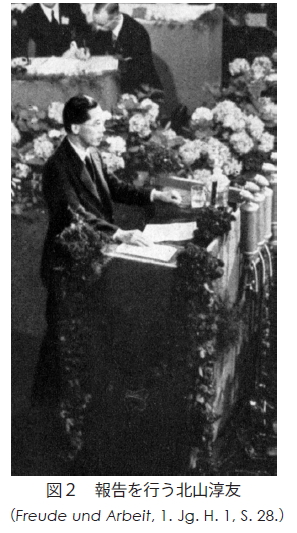
Between 1936 and 1944 he worked mainly in Berlin, as a Japanese-language assistant at Humboldt University and deputy director of the Japan Institute. During his years in Germany he published several books on East Asian culture, philosophy and religion. They were popular in Germany, and some went through several editions. The original website notes that some of his works continued to be published in Germany and Italy.
During these years he wrote and published two of his principal works: West-östliche Begegnung: Japans Kultur und Tradition (“An Encounter between East and West: Japanese Culture and Tradition”) and Heroisches Ethos (“Heroic Ethos”). In Berlin he also managed the Japan Institute’s extensive library of around 10,000 volumes. The original compilation states that its main surviving collection is held by the Japanese history department at Ruhr University Bochum.
Gecko (2020) places closer contacts with the German University in Prague at the turn of 1943–1944. The earlier compilation gives 1 January 1945 for the formal assignment. From 1 January 1945 Kitayama was assigned to Prague to establish and direct a new institute for East Asian research at the German Charles University in Prague (Deutsche Karlsuniversität Prag): the Institut für Erforschung und Vermittlung der Kultur- und Geistesgeschichte Ostasiens, an institute for the research and teaching of East Asian cultural and intellectual history.
His tasks also included transferring the Japanese studies library from Marburg to Prague and, on Ambassador Ōshima’s orders, preparing for the possible evacuation of the Japanese embassy from Berlin. He was in Prague when the war ended. While many German professors fled the advancing Red Army, Kitayama remained. On 9 May 1945 he was arrested in the former Japanese embassy building in Malá Strana, during the arrests of German residents.
The earlier compilation records seven months of forced labour on Mr Šimínek’s estate in Lobeč, near Mělník, having been transported from Prague on 27 May 1945. The Ministry of Foreign Affairs released him at the request and recommendation of Professor Průšek of the Oriental Institute. Kitayama had helped the institute during the First Czechoslovak Republic: as cultural attaché at the Japanese embassy in Berlin, he had secured substantial funding and helped prevent the closure of Prague’s university department of Oriental studies. Gecko (2020) places his release in 1946. Pravda of 5 September 1946 already reports his judo teaching in Pilsen in the preceding week. The exact duration and sequence of internment require comparison of these sources.
In 1946 he began teaching Japanese at the Oriental Institute, and later at the State Language School, as well as teaching judo within Sokol. Meanwhile, his brother asked the Red Cross to trace him. Because of his imprisonment, Kitayama did not learn about an opportunity for repatriation to Japan. He was to be expelled to Germany, at that time to the Soviet occupation zone, but the expulsion did not take place.
When further attempts were made in 1949 and 1951 to expel him or terminate his permission to remain in Czechoslovakia, he resisted. His acquaintances intervened, stressing that he was the only Japanese native speaker teaching the language and was not engaged in activities against the state. Around 1950 he was under surveillance by the State Security service, the StB. He apparently expected the Japanese embassy to reopen soon and had indications that he might become ambassador, or later simply be employed there.
In 1946 and 1947 he published two articles on Japanese and Asian culture in the newly founded journal Nový Orient. From 1951 he was allowed access to the Oriental Institute’s academic library and could resume scholarly work. He decided to write a study that might enable him to return to Japan. In 1951 he led a seminar at the Faculty of Arts of Charles University; whether he continued teaching there is not known. He also taught Japanese at the Oriental Institute.
He soon became part of Czech intellectual life and made an important contribution to the understanding of Japanese language and culture. He brought together Buddhist thought and the German existential philosophy associated in the original account with Husserl and Heidegger. His extensive personal library also served Miroslav Novák, later regarded as a founding figure of Czech Japanese studies. Kitayama was his Japanese-language mentor, and Novák and Dr Koutský attended his lessons.
Despite difficult circumstances in Prague, Kitayama wrote several volumes of essays on comparative and Buddhist philosophy, seeking to complete research begun before the war. He rented accommodation in a villa in Střešovice and supported himself through teaching and translation. He also practised healing. Around 1950–1951 the StB kept him under surveillance on suspicion of being an agent; that suspicion was not substantiated.
As noted above, he practised judo in Germany before the Second World War. After the war he taught it in Czechoslovakia, regularly in Prague and later also in Hradec Králové, contributing to the development of the sport there. His name often appears in books and magazine articles from the 1950s on judo and self-defence using judo techniques.
He led training in Sokol clubs and helped educate judo instructors on courses organised by the Jiu-jitsu Association, a predecessor of the Czech Judo Federation. He obtained and translated material from the Kōdōkan in Japan for the Czech jiu-jitsu and judo community. Andrej Lebeda repeatedly described him as the foremost judo expert in Czechoslovakia and publicly acknowledged his contribution to improving standards. Kitayama held the rank of fourth dan (yondan) and later fifth dan (godan).
Contemporary accounts by Lebeda and Lorenz suggest that Kitayama had many students. His closest student, and later friend, appears to have been Vladimír Lorenz, who eventually attained eighth dan. Lorenz became his assistant, and they later prepared a book on self-defence using judo techniques, Kōdōkan Goshin Jutsu. It was published a year after Kitayama’s death.
For its time, the book was exceptionally carefully prepared. Beyond descriptions of techniques, it discusses general aspects of combat—distance, the use of the eyes, strategy, breathing and other matters—also preserved today in kendō and older Japanese martial traditions.
In October 1961 Kitayama was admitted to Thomayer Hospital in Prague with heart problems. He died in Prague on 19 January 1962. He wished to be buried in Japan. His younger brother Hiroaki Kitayama, head priest of Kyōnen-ji, travelled to Czechoslovakia to collect his remains. He met Kitayama’s friends and professional colleagues and learned that the scholarly manuscript Junyū had been writing was in Germany. He then travelled there himself.
He was deeply moved and delighted to discover that Junyū’s former secretary had carefully preserved the manuscript. He took it back to Japan. It dealt with Buddhist philosophy but was written in German. In 1984 a “Monument to Philosophy” was unveiled in Kitayama’s hometown of Yaizu, at Kyōnen-ji, where his father had served as head priest. Kitayama’s grave and a memorial to him are also located at the temple.
The posthumous collection 東と西永遠の道 : 仏教哲学・比較哲学論集 (Higashi to nishi eien no michi) was published in Tokyo by Hokuju Shuppan in March 1985. Junyū Kitayama is the author; Mineshima Hideo (峰島旭雄) supervised its Japanese translation. NDL specifically records a chronology and bibliography on pp. 367–374.
Historical editorial note from the original page: the English biography was to be revised in light of the latest information from the Czech State Security archives.
Original wording of this section · 2018
Kitajama Džunjú se narodil dne 29. ledna 1902 ve městě Jaizu ve čtvrti Kogawa jako nejstarší syn Akira Šinobu (Ninko) Kitajamy - představeného buddhistické svatyně Kjónendži ( 教念寺 Kyonen-ji ) též v Jaizu (28.generace). Matka Suje rozená Sekija (Sekiya). Sourozenci Šoho, Komyo/Komei. Pocházel z bývalého samurajského rodu, jeho děd byl v Japonsku známý šermíř. Džunjúa učil džúdžucu. O jeho mládí nemáme žádné informace. V roce 1921 maturoval v Šizuoce, kde tedy vystudoval střední školu tehdejšího typu.
V roce 1924 absolvoval školu Šúkjó daigaku ( 宗教大学, Shūkyō daigaku "Náboženská Univerzita" - soukromá buddhistická církevní škola v Tokiu v Japonsku, od roku 1926 spojením s dalšími školami se stala Taišó Univerzitou - 大正大学, Taishō daigaku). V některých německých pramenech je uváděno, že pan Kitajama byl buddhistický mnich a u některých jeho pozdějších děl je uváděno, že pochází z Taišó Univerzity. Studoval zde buddhismus, japonskou literaturu a německou filozofii.
V roce 1926 odcestoval do Německa, kde navštěvoval kurzy filozofie. Nejprve na univerzitě ve Freiburgu pod vedením Edmunda Husserla. Od roku 1927 pokračuje ve studiu na Univerzitě v Heidelbergu u Karla Jasperse. Sem odešel proto, že doufal, že zde rychle dokončí své doktorandské studium a vrátí se zpět do Japonska, jelikož jeho otec mu přestal posílat peněžní příspěvky. Edmund Husserl poslal do Japonska o Kitajamovi pochvalný dopis a na základě toho zřejmě zůstal.
Studuje také historii náboženství pod vedením W.Otta. Kitajamovou filozofickou specializací bylo téma indického mahajánového buddhismu a na toto téma v roce 1931 pod vedením Karla Jasperse dokončil a zkompletoval svojí doktorandskou práci. Některé japonské prameny uvádějí, že titul Ph.D. získal v roce 1929 a roku 1930 skončil svojí působnost na univerzitě v Heidelbergu.
Od roku 1929 do roku 1936 učil japonštinu a východní kulturu na univerzitě ve Frankfurtu nad Mohanem ( semináře - Básnictví a poezie Japonska, Cvičení interpretace buddhistické filozofie Japonska, Úvod do japonského jazyka ). V tomto městě následně s podporou místních podnikatelů založil malý japonský institut Kjo-šicu, který se stal předchůdcem později založeného lokálního japonsko-německého institutu. Také zde cvičil judo ve skupině kolem Alfréda Rhode v 1. Deutschen Jiu-Jitsu-Club e. V.
( později přejmenovaném na 1. Deutscher Judo-Club e. V. - 1.DJC). Ve stejné době též působil nějakým způsobem na univerzitě v Marburgu, kde se seznámil s Ottem a Frickem. Na základě Frickovi iniciativy byl roku 1940 jmenován 'čestným profesorem' kulturních a náboženských studií východní Asie (Religionskundliche Sammlung) pro univerzitu v Marburgu. Zde také v letech 1941 a 1944 učil srovnávací náboženská témata.
Mezi lety 1936 - 1944 hlavně působil v Berlíně jako japonský asistent na Humboldtově Univerzitě a zároveň i jako zástupce ředitele na Japonském institutu. Během svého pobytu v Německu vydal několik knih, které pojednávaly o tématech z oblasti kultury, filozofie, náboženství východu. Publikace byly v Německu oblíbené, některé z nich byly opakovaně vydávány ( některá díla se vydávají v Německu a Itálii i dnes ).
V těchto letech Kitajama právě napsal a vydal dvě svá stěžejní díla West - östliche Begegnung: Japans Kultur und Tradition (Setkání východu se západem: Japonská kultura a tradice) a Heroisches ethos (Hrdinský étos - mravní charakter). Ještě za pobytu v Berlíně Kitajama spravoval velmi rozsáhlou knihovnu čítající 10000 svazků v Japonském Institutu. Nyní její hlavní část vlastní Oddělení japonských dějin Ruhr University Bochum.
Od 1.1.1945 byl Kitajama vyslán do Prahy, aby zde založil a vedl nový ústav pro výzkum východní Asie "Institut für Erforschung und Vermittlung der Kultur - und Geistesgeschichte Ostasiens" (Ústav pro studium a výuku kulturní - a intelektuální historie Východní Asie) na tehdejší Německé Karlově Univerzitě (Deutsche Karlsuniversität Prag).
Kitajáma měl také za úkol přesunout do Prahy japanologickou knihovnu z Univerzity v Marburgu a také v Praze připravit podmínky pro možnou evakuaci japonského velvyslanectví z Berlíně (rozkaz velvyslance Óšimy). Zde jej zastihnul konec války. Velká část německých profesorů s blížím se koncem války utekla před postupující Rudou armádou, Kitajama zůstal. Dne 9. května roku 1945 byl v Praze zatčen (v rámci zatýkání německých obyvatel) v budově bývalého japonského velvyslanectví na Malé straně.
Strávil 7 měsíců na velkostatku pana Šimínka v Lobči u Mělníka na nucených pracech (transportován z Prahy 27.5.1945). Propuštěn byl Ministerstvem zahraničí na žádost a doporučení profesora Průška z Orientálního ústavu. Kitajama v minulosti (za první republiky) pomohl Orientálnímu ústavu, když jako kulturní atašé japonského velvyslanectví v Berlíně zajistil velké finanční obnosy pro činnost ústavu, zachránil pražské orientální vysokoškolké oddělení před uzavřením.
Od roku 1946 začal učit japonštinu v Orientálním ústavu ( později na Státní jazykové škole) a také judo v rámci Sokola. Mezitím jej jeho bratr nechá hledat prostřednictvím Červeného kříže, o možné repatriaci do Japonska se nedozví vlivem věznění. Kitajama měl být vyhoštěn do Německa (v těch časech do zóny Sovětského svazu). Nicméně nedošlo k tomu.
I v pozdějších pokusech o vyhoštění nebo ukončení povolení pobytu v Československu z let 1949 a 1951 se Kitajama brání a jeho známí intervenují proti jeho vyhoštění s tím, že je jediný japonský lektor japonského jazyka a že nepůsobí protistátně. Kolem roku 1950 je Kitajama sledován Státní bezpečností. Zřejmě Kitajama očekává brzké znovuotevření Velvyslanectví Japonska a má nějaké indicie, že zde bude velvyslancem, později jen, že bude zaměstnán na velvyslanectví.
V letech 1946 a 1947 publikoval dva články vztahující se k japonské a asijské kultuře v nově vzniklém časopise Nový Orient. Od roku 1951 mu byl umožněn přístup do akademické knihovny Orientálního ústavu a opět se může věnovat vědecké činnosti. Rozhodne se, že napíše vědeckou práci, která by mu umožnila návrat do Japonska. V roce 1951 vedl seminář na Filozofické fakultě Univerzity Karlovy, není pak známo, zda tam dále působil. Také v tehdejším Orientálním ústavu vyučoval japonštinu.
S českým prostředím se záhy sžil a významně přispěl k poznání japonštiny a japonské kultury u nás, jež obohatil o syntézu buddhistických myšlenek a německé existencialistické filozofie svých učitelů Husserla a Heideggera. Vlastnil rozsáhlou sbírku knih, ze které čerpal ve svém studiu i pozdější otec české japanologie pan Miroslav Novák, jehož byl Kitajama japonským mentorem, Novák k němu chodil na výuku japonštiny, také Dr.Koutský.
Navzdory nesnadnému životu v Praze, napsal v Česku několik svazků esejú ze srovnávací filozofie i buddhistické filozofie, snažíce se dokončit svá studia započatá před válkou. V Praze žil v podnájmu ve vile ve Střešovicích a živila jej výuka a překlady. Působil také jako léčitel. Kolem roku 1950 a 1951 byl sledován Státní bezpečností, ta jej podezřívala, že je agentem, což se nepotvrdilo.
V letech před 2.světovou válkou cvičil judo v Německu, jak již bylo zmíněno a v poválečných letech jej učil v Československu mezi československými zájemci - pravidelně v Praze a později i v Hradci králové. Zasloužil se tak o rozvoj juda v Československu. V literatuře či článcích v časopisech z let 1950 - 1960 věnující se judu nebo sebeobraně pomocí juda je mnohdy zmiňováno jméno pana Kitajamy.
Vedl tréninky v oddílech Sokola, pomáhal vzdělávání instruktorů juda na kurzech pořádaných Svazem jiujitsu (předchůdce Českého svazu juda). Sháněl a překládal materiály z Kódókanu z Japonska pro českou jiujitsu/judo obec. Andrej Lebeda jej několikrát označuje jako největšího znalce juda v tehdejším Československu a veřejně sděluje jeho zásluhy na kvalitě a vzestupu úrovně juda v Československu. Kitajama byl držitelem technického stupně 4.dan (jondan) a později 5.dan (godan).
Kitajama měl zřejmě větší počet žáků, jak lze soudit z tehdejších zpráv (od pánů Lebedy, Lorenze). Nicméně asi jeho nejbližším žákem a později i přítelem se stal Vladimír Lorenz (později 8.dan judo). Stal se jeho asistentem a později spolu připravovali knihu věnovanou sebeobraně s využitím technik juda (Kódókan Gošin džucu), která však vyšla až rok po jeho smrti.
Kniha je na svou dobu velmi pečlivě zpracovaná a pojednává o i mnoha obecně platných aspektech boje mimo samotný popis techniky (vzdálenost, použití očí, strategie, dechu atd.), které se dochovaly dnes např. v japonském šermu kendó či starých japonských systémech boje.
V říjnu roku 1961 byl Kitajama hospitalizován v Thomayerově nemocnici v Praze se srdečnými problémy. Zemřel v Praze dne 19. ledna 1962. Přál si být pohřben v Japonsku. Pro jeho ostatky si přijel do Československa mladší bratr pana Kitajamy - představený mnich chrámu Kjónendži pan Hiroaki Kitajama. Ten se sešel s přáteli a profesnímy kolegy pana Kitajamy a obdržel informaci, že vědecká práce, kterou Džun’jú psal, je v Německu. Opět se sám vydal do Německa.
Byl velmi dojat a rozradostněn, když se dozvěděl, že toto dílo pečlivě opatrovala Džun’júova bývalá sekretářka. Dílo odvezl do Japonska. Toto vědecké dílo je zaměřeno na buddhistickou filozofii, je však napsáno německy. V jeho rodném městě Jaizu mu byl v roce 1984 odhalen pomník v chrámu Kjónendži "Pomník filozofie", kde působil jeho otec. V okolí chrámu Kjónendži se nachází i Kitajamův hrob a později tamtéž mu byl odhalen památník.
Bratrovi pana Kitajamy se podařilo v roce 1985 vydat v japonštině jeho dílo, které přivezl z Německa. Vyšlo pod názvem Kitajama, Džun’jú. Higaši to niši eien no mici: Bukkjó tecugaku, hikaku tecugaku ronšú v nakladatelství Hokudžu šuppan (Junyu Kitayama, 東と西 永遠の道-仏教哲学・比較哲学論集 Higashi-to-nishi - eien-no-michi: bukkyō-tetsugaku ; hikakutetsugaku-ronshū, Kitaki shuppan).
English version could be revorked according with newest informations from czech State police archive.
Collected works
Newly available texts and translations
- The Spirit of Japanese Chivalry
Junyu Kitayama · Der Geist des japanischen Rittertums · Japanische Kulturserie 1 · Wilhelm Limpert, Berlin, 1943, 16 s. · English translation: Petr Březina
Hannah Arendt · カール・ヤスパースの哲学 · 1930
理想 15: 187–201. (Transl. K. Jun’yū.)
Early articles confirmed by journal contents
The following bibliographic details are confirmed by NDL’s public tables of contents. The full articles have not been transcribed or translated here.
- 人生觀史槪說
An outline of the history of views of life
北山淳友 · 無礙光 19(3), 1923-03, p. 26–
- 獨逸哲學界の二大収穫 マアルブルヒにて
Two major achievements of German philosophy — from Marburg
北山淳友 · 學鐙 36(6), 1932-06, pp. 1–5
- 獨逸經濟學界の新聲 マアルブルヒにて
New voices in German economics — from Marburg
北山淳友 · 學鐙 36(7), 1932-07, pp. 1–3
- Junyu Kitayama, Metaphysics of Buddhism: Attempt at a philosophical interpretation of Vasubandhu's teaching and his school., edice Publications of the Oriental Seminary of Tubingen University, H. 7. Stuttgart: Kohlhammer, 1934., německy
- Junyu Kitayama, Metaphysik des Buddhism: Versuch seinadnersetzung mit dem Buddhism, 1937, Number of pages: 8, German
- Junyu Kitayama, picture and writing in Japan, článek součástí sbírky článků od autora Blanckertz, Klaus (editor): The contemporary writing. Study booklets for writing and form design. Berlin-Leipzig: Heintze & Blanckertz, číslo 2, 1937., německy
- Hokusai Katsushika, Junʼyū Kitayama, Fujijama the eternal mountain of Japan: 36 woodcuts, island publishing house, 1937, Počet stran: 47, německy
- Junyu Kitayama, Genjo Koan. From the Zen text Shobo genzo by Patriarch Dogen, Source Studies on Religious History 1, (1940): 1., německy
- Heinrich Frick, Junʼyū Kitayama, Gerardus Leeuw, Rudolf Franz Merkel, Alfred Töpelmann, Source Studies on the History of Religion, 1940, Počet stran: 68, německy
- Junyu Kitayama, Tradition and Reorganization. The Face of Japanese Culture, Berlin, Rome, Tokyo, Monthly for the Deepening of Cultural Relations of Peoples of the World Political Triangle 2-3, 1940, Strana 11, německy
- Junyu Kitayama, Japanese growth. Of Race and Culture, School of Freedom. Independent Journal for Organic Design of Culture and Economy 9 - 7/8, 1941, Stran 150, německy
- Junyu Kitayama, West - Eastern Encounter: Japan's Culture and Tradition, W. de Gruyter, 1942, Počet stran: 252, německy
- The Ancestral Faith in Japan, by Professor Dr. Junyu Kitayama - Bodenstedt, Hans: Breeding and custom / Writings for the reorganization of our laws of life, Reichsbauernstadt Goslar, Verlag Zucht und Sitte, 1942., německy
- Prof. Dr. Junyu Kitayama, samurai - Japan's heroic spirit fighting and death courage of the Japanese warrior; The Eagle. Issue (sešit) 1, 6. January 1942, Berlin: Reichsluftfahrtministerium (ed.), článek v časopise. Počet stran 2., německy
- Junyu Kitayama, The Spirit of Japanese Chivalry, The Inner Kingdom. Magazine for poetry, art and German life. Editor: Paul Alverdes. Year VIII. Issue 12, Munich: Albert Langen / Georg Müller, March 1942. Gr.-8°. With 7 woodcuts by Johannes Lebek, německy
- Junyu Kitayama, Das Schwert des Japaners, "Marburger Zeitung, 31. Juli 1942, Nummer 212, Seite 7 - article, German
- Prof. Dr. Junyu Kitayama, Japan's Spirituality and Tradition - Blaschke, Hanns (ed.): The Pause. 7. Jg., Issue 2. Vienna, Press Association of the Vienna Educational Works, 1942. 4° 36 S., německy, strana 4-15
- Junyu Kitayama, The Spirit of Japanese Chivalry, Japanese Cultural Series 1, Berlin : Limpert, 1943., Počet stran: 16, německy
- Junyu Kitayama, Shintoism. The National Religion of Japan., Japanese Cultural Series 2, Berlin: Limpert. 1943, Počet stran: 16, německy
- Junyu Kitayama, sanctification of the state and transfiguration of man. Buddhism and Japan.,Japanese cultural series 3, Berlin: Limpert. 1943., Počet stran: 32, německy
- Junyu Kitayama, The Modern Philosophy of Japan. A contribution to the understanding of the ‘Nishida philosophy’, Kant-Studien N.F. 43, 1943, Počet stran: 265, německy
- Prof. Dr. J. Kitayama, Japanese Cultural Tradition, "Deutsche Post für das Sudetenland", 25.07.1943., Počet stran: 1, německy
- Junyu Kitayama, Heroisches ethos. Das Heldische in Japan., Walter de Gruygter & Co, Berlin 1944, Number of pages: 161, German
- Junyu Kitayama, "The Spirit of Japanese Chivalry", Deutsche Zeitung in the Netherlands, No. 259 / Saturday/Sunday, 31. March 1 April 1945, článek, Počet stran: 1, německy
- Doctor. Junyu Kitayama: Personality and society in modern Japanese novels, New Orient. Vol. 1, No. 10 (1945- 46), p. 5-6., Number of pages: 2, Czech
- Doctor. Junyu Kitayama: Art of the Far East and its speciality, New Orient. Vol. 2, No. 8 (1947) p. 6-7., Number of pages: 2, Czech
- Adolf Andrej Lebeda, Junyu Kitayama, Ladislav Pikhart, Branný match judo, STN, 1954, Number of pages: 102, Czech
- Lebeda A. Adolf, Technical participation: J.Kitayama 5.dan, L. Pikhart 3.dan, V. Lorenz 3.dan, Basics judo, STN, 1960, Number of pages: Czech
- Doctor. Junyu Kitayama, Vladimir Lorenz, Self-defense, Kodokan goshin jutsu, Our army Prague, 1963, Number of pages: 171, Czech
- Junyū Kitayama, 東と西永遠の道 : 仏教哲学・比較哲学論集. Mineshima Hideo (峰島旭雄), 監訳. Hokuju Shuppan (北樹出版), Tokyo, 1985-03. 460 + 18 p.
Most of his German-written books can be found quite cheaply on Internet sites in Germany.
Original wording of this section · 2018
- Junyu Kitayama, Metaphysik des Buddhismus : Versuch einer philosophischen Interpretation der Lehre Vasubandhus und seiner Schule., edice Veroffentlichungen des orientalischen Seminars der Universitat Tubingen, H. 7. Stuttgart : Kohlhammer, 1934., německy
- Junyu Kitayama, Metaphysik des Buddhismus: Versuch seinadnersetzung mit dem Buddhismus, 1937, Počet stran: 8, německy
- Junyu Kitayama, Bild und Schrift in Japan, článek součástí sbírky článků od autora Blanckertz, Klaus (Herausgeber): Die zeitgemäße Schrift. Studienhefte für Schrift und Formgestaltung. Berlin-Leipzig: Verlag für Schriftkunde Heintze & Blanckertz, číslo 2, 1937., německy
- Hokusai Katsushika, Junʼyū Kitayama, Fujijama der ewige Berg Japans: 36 Holzschnitte, Insel-Verlag, 1937, Počet stran: 47, německy
- Junyu Kitayama, Genjo Koan. Aus dem Zen-Text Shobo genzo von Patriarch Dogen, Quellenstudien zur Religionsgeschichtet 1, (1940): 1., německy
- Heinrich Frick, Junʼyū Kitayama, Gerardus Leeuw, Rudolf Franz Merkel, Alfred Töpelmann, Quellenstudien zur Religionsgeschichte, 1940, Počet stran: 68, německy
- Junyu Kitayama, Tradition und Neuordnung. Das Gesicht der japanischen Kultur, Berlin, Rom, Tokio, Monatschrift für die Vertiefung der kulturellen Beziehungen der Völker des weltpolitischen Dreiecks 2-3, 1940, Strana 11, německy
- Junyu Kitayama, Japanisches Wachstum. Von Rasse und Kultur, Schule der Freiheit. Unabhängige Zeitschrift für organische Gestaltung von Kultur und Wirtschaft 9 - 7/8, 1941, Stran 150, německy
- Junyu Kitayama, West - östliche Begegnung: Japans Kultur und Tradition, W. de Gruyter, 1942, Počet stran: 252, německy
- Der Ahnenglaube in Japan, von Professor Dr. Junyu Kitayama - Bodenstedt, Hans: Zucht und Sitte / Schriften für die Neuordnung unserer Lebensgesetzen, Reichsbauernstadt Goslar, Verlag Zucht und Sitte, 1942., německy
- Prof. Dr. Junyu Kitayama, Samurai - Japans Heldengeist Kampf- und Todesmut des japanischen Kriegers; Der Adler. Heft (sešit) 1, 6. Januar 1942, Berlin: Reichsluftfahrtministerium(Hrsg.), článek v časopise. Počet stran 2., německy
- Junyu Kitayama, Der Geist des japanischen Rittertums, Das Innere Reich. Zeitschrift für Dichtung, Kunst und deutsches Leben. Herausgeber: Paul Alverdes. Jahrgang VIII. Heft 12., München: Albert Langen / Georg Müller, März 1942. Gr.-8°. Mit 7 Holzschnitten von Johannes Lebek, německy
- Junyu Kitayama, Das Schwert des Japaners, "Marburger Zeitung, 31. Juli 1942, Nummer 212, Seite 7 - článek, německy
- Prof. Dr. Junyu Kitayama, Japans Geistigkeit und Tradition - Blaschke, Hanns (Hg.): Die Pause. 7. Jg., Heft 2. Wien, Preßverein des Wiener Bildungswerkes, 1942. 4° 36 S., německy, strana 4-15
- Junyu Kitayama, Der Geist des japanischen Rittertums, Japanische Kulturserie 1, Berlin : Limpert, 1943., Počet stran: 16, německy
- Junyu Kitayama, Der Shintoismus. Die Nationalreligion Japans., Japanische Kulturserie 2, Berlin: Limpert. 1943, Počet stran: 16, německy
- Junyu Kitayama, Heiligung des Staates und Verklärung des Menschen. Buddhismus und Japan.,Japanische Kulturserie 3, Berlin: Limpert. 1943., Počet stran: 32, německy
- Junyu Kitayama, Die moderne Philosophie Japans. Ein Beitrag zum Verständnis der ‘Nishida-Philosophie’, Kant-Studien N.F. 43, 1943, Počet stran: 265, německy
- Prof. Dr. J. Kitayama, Japanische Kulturtradition, "Deutsche Post für das Sudetenland, 25.07.1943., Počet stran: 1, německy
- Junyu Kitayama, Heroisches ethos. Das Heldische in Japan., Walter de Gruygter & Co, Berlin 1944, Počet stran: 161, německy
- Junyu Kitayama, "Der Geist des japanischen Rittertums", Deutsche Zeitung in den Niederlanden, Nr. 259 / Sonnabend/Sonntag, 31. März/1..April 1945, článek, Počet stran: 1, německy
- Dr. Džúnjú Kitajama: Osobnost a společnost v moderním japonském románů, Nový Orient. Vol. 1, No. 10 (1945-46), s. 5-6., Počet stran: 2, česky
- Dr. Džunju Kitajama: Umění Dálného východu a jeho zvláštnosti, Nový Orient. Vol. 2, No. 8 (1947), s. 6-7.,Počet stran: 2, česky
- Adolf Andrej Lebeda, Junyu Kitayama, Ladislav Pikhart, Branný zápas judo, STN, 1954, Počet stran: 102, česky
- Lebeda A. Adolf, Technická účast: J.Kitayama 5.dan, L. Pikhart 3.dan, V. Lorenz 3.dan, Základy judo, STN, 1960, Počet stran: , česky
- Dr. Junyu Kitayama, Vladimír Lorenz, Sebeobrana, Kodokan goshin jutsu, Naše vojsko Praha, 1963, Počet stran: 171, česky
- Junyu Kitayama, 東と西 永遠の道-仏教哲学・比較哲学論集 Higashi-to-nishi - eien-no-michi: bukkyō-tetsugaku ; hikakutetsugaku-ronshū, Kitaki shuppan, 1985, Počet stran: 478, japonsky
Většina jeho německy psaných knih se dá sehnat docela levně na internetových antikvariátech předevšim v Německu.
External links
- Information about a book on self-defense that Kitayama was co-author of - Here
- Unknown heroes (ČT cycle) Legend Kazik (broadcast 29.11.2010 at ČT)
- Japanology collaborators at Humboldt University in Berlin - Here
- History of the Department of Indology and Tibetology - Universita Marburg -info k Johanesovi Nobelovi - Here
- Books on Google Books - Junyu Kitayama - Here
- Knihy na Google Books - Junʼyū Kitayama - Here
- Information about the Kyonenji Temple in Jaiz, photo of the memorial p.Kitayama, grave of Mr. Kitayam, information in data on the life of Mr Kitayam, Japanese - Here
- The Achievements of Japanese Lecturer Dr. Junyu Kitayama, japonsky - The benefit of dr. Jun'yu Kitayama, Japanese Language Teacher - CZECH TRANSLATION
- Japanese Buddhism in the Third Reich, Brian Victoria, 2014, anglicky - kapitola Kitayamas Junyu's Role, Journal of the Oxford Centre for Buddhist Studies http://jocbs.org/index.php/jocbs/article/view/101/121
- wiki jodoshuzensho.jp http://jodoshuzensho.jp/daijiten/index.php/%E5%8C%97%E5%B1%B1%E6%B7%B3%E5%8F%8B
Original Japanese study of Kitayama’s teaching
Original wording of this section · 2018
- Informace o knize o sebeobraně, u které byl Kitajama spoluautor - ZDE
- Neznámí hrdinové (cyklus ČT) Legenda Kazik (odvysíláno 29.11.2010 na ČT)
- Spolupracovníci japanologie na Humboldtově Univerzitě v Berlíně - ZDE
- History of the Department of Indology and Tibetology - Universita Marburg -info k Johanesovi Nobelovi - ZDE
- Knihy na Google Books - Junyu Kitayama - ZDE
- Knihy na Google Books - Junʼyū Kitayama - ZDE
- Informace o chrámu Kjónendži v Jaizu, foto pomníku p.Kitajamy, hrobu pana Kitajamy, informace v datech o životě pana Kitajamy, japonsky - ZDE
- The Achievements of Japanese Lecturer Dr. Junyu Kitayama, japonsky - Přínos dr. Džun’jú Kitajamy, učitele japonského jazyka - ČESKÝ PŘEKLAD
- Japanese Buddhism in the Third Reich, Brian Victoria, 2014, anglicky - kapitola Kitayamas Junyu's Role, Journal of the Oxford Centre for Buddhist Studies http://jocbs.org/index.php/jocbs/article/view/101/121
- wiki jodoshuzensho.jp, 〖参考〗北山淳友著/峰島旭雄監訳『東と西 永遠の道—仏教哲学・比較哲学論集』(北樹出版、一九八五)] http://jodoshuzensho.jp/daijiten/index.php/%E5%8C%97%E5%B1%B1%E6%B7%B3%E5%8F%8B
Photographs
Kitayama - photos from his work in Germany at the Japanese Institute
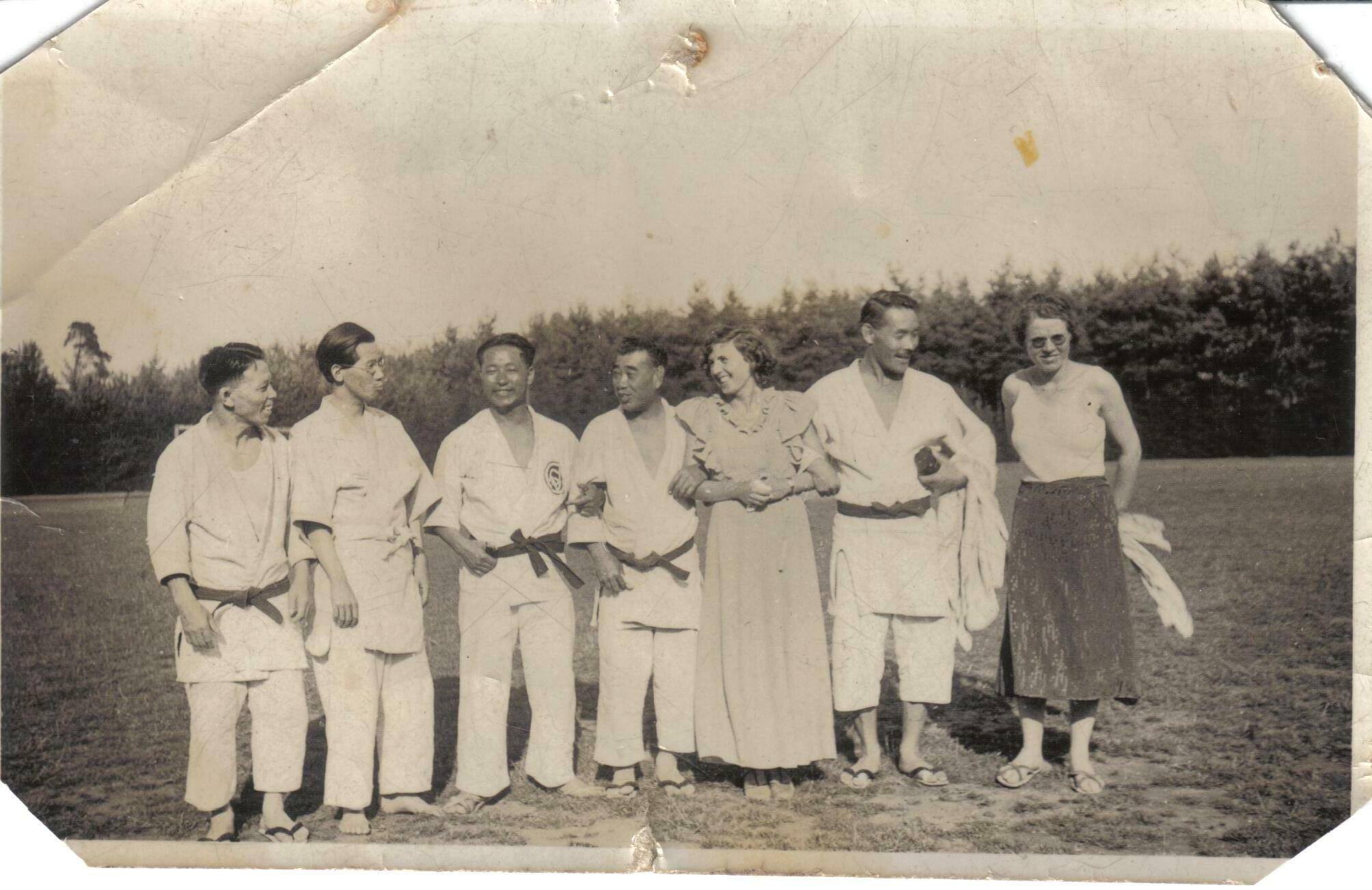
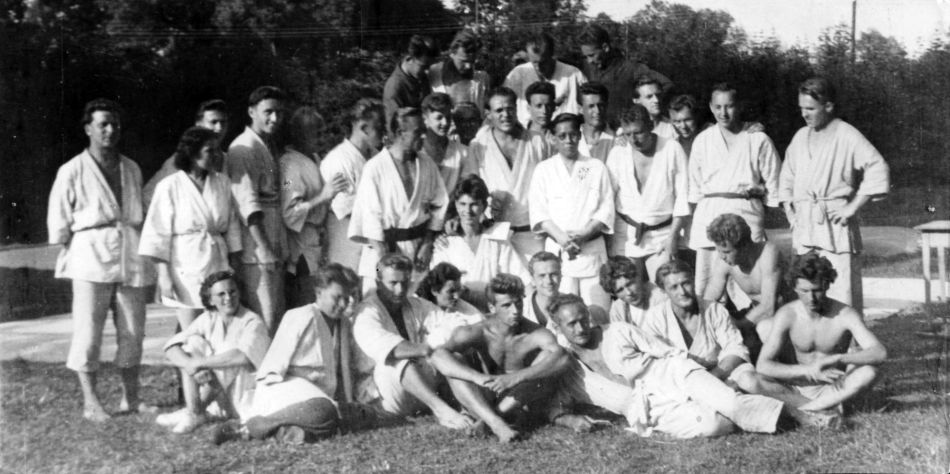
Photo of jud teachers at the summer school in Frankfurt am Main (Germany) from 1933. In the photo from left: Hanho Rhi (Korean teaching judo in Switzerland), Kitayama Junju, Masutaro Otani (Budokwai London), Jukio Tani (Budokwai London), Mrs. Woolhouse (Budokwai London), Gunji Koizumi (Budokwai London), Mrs Poutell (Budokwai London). It is likely that Kitayama worked here as an interpreter and was also a judo student. (source of FCB group British Judo History)
Photographs of the judges from Club 1. Deutschen Jia-Jitsu-Club e. V. from Frankfurt am Main (Germany), 1934. Kitayama sits in the middle row as fourth from left (has black hair and white belt and perhaps glasses). Furthermore, Alfred Rhóde - the leading figure of the German Judicists at that time - sits next to one person. (web source 1.DJC http: / / www.1djc.de / judobilder1952.html)

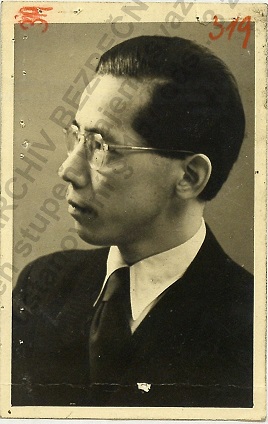
Passport photo of Kitayama from 1944 or 1945, found by gymnazists at the Japanese Embassy in Prague when collecting paper (June 1945) - source of STB archives
Junyu Kitayama with Czech judges from the summer school judo in St Petersburg (Louny district, Czechoslovakia) in 1951. Kitayama is almost in the middle of a photo, standing with joined hands, smaller growth. (source: web: National Memory, PostBellum)
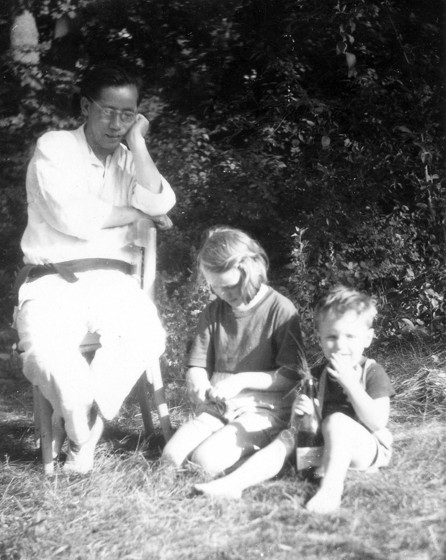
Junyu Kitayama with children František Šima (one of the pioneers of judo in Czechoslovakia) - at summer school judo in St Petersburg (district Louny, Czechoslovakia) in 1951. (source: private archive of Mrs. Vera Singers born Shimi)
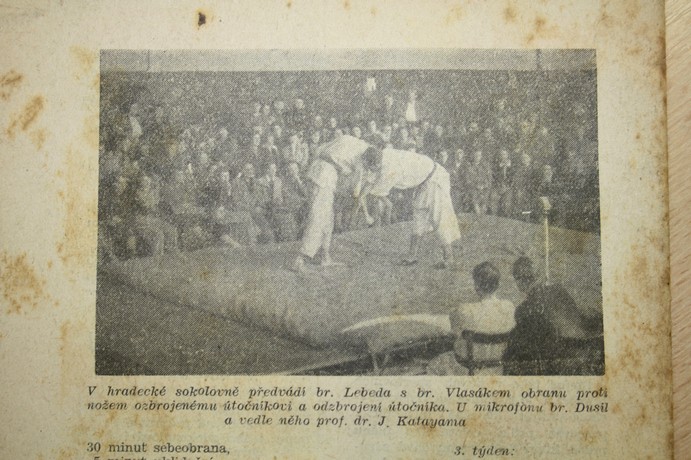
Photographs capturing Kitayam (back probably sitting in a jacket) while watching self-defense demonstration using jiujitsu / judo - source magazine Refusal-match jiu-jitsu
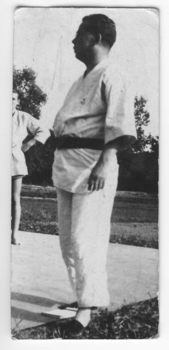
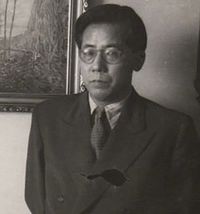
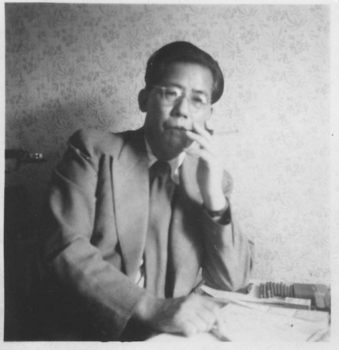
Kitayama - photo taken during his stay in Czechoslovakia (source: web: National Memory, PostBellum)
Original wording of this section · 2018
Kitajama - fotografie z jeho působení v Německu na Japonském Institutu
Fotografie učitelů juda na letní škole ve Frankfurtu nad Mohanem (Německo) z roku 1933. Na fotce zleva: Hanho Rhi (korejec učící džúdó ve Švýcarsku), Kitajáma Džunjú, Masutaro Otani (Budokwai Londýn), Jukio Tani (Budokwai Londýn), paní Woolhouse(Budokwai Londýn), Gundži Koizumi (Budokwai Londýn), paní Poutell (Budokwai Londýn) . Je pravděpodobné, že Kitajáma zde působil jako tlumočník a též byl studentem džúdó. ( zdroj FCB skupina British Judo History )
Fotografie judistů z klubu 1. Deutschen Jiu-Jitsu-Club e. V. z Frankfurtu nad Mohanem (Německo) z roku 1934. Kitajama sedí v prostřední řadě jako čtvrtý zleva (má černé vlasy a bílý pás a snad brýle). Dále ob jednoho člověka sedí Alfréd Rhóde - vedoucí osoba německých judistů té doby. ( zdroj web 1.DJC http://www.1djc.de/judobilder1952.html )
Pasové foto Kitajamy z roku 1944 nebo 1945, nalezené gymnazisty na japonském velvyslanectví v Praze při sběru papíru (červen 1945) - zdroj archív STB
Džunjú Kitajama s českými judisty z letní školy judo v Petrohradě (okres Louny, Československo) v roce 1951. Kitajama je téměř uprostřed fotky, stojící se spojenýma rukama, menšího vzrůstu. (zdroj: web: Paměť národa, PostBellum)
Džunjú Kitajama s dětmi Františka Šímy (jeden z průkopníků juda v Československu) - na letní škole judo v Petrohradě (okres Louny, Československo) v roce 1951. (zdroj: soukromý archív paní Věry Spěváčkové rozené Šímové)
fotografie zachycujícího Kitajamu (zády sedící zřejmě v saku) při sledování demonstraci sebeobrany pomocí jiujitsu/juda - zdroj časopis Vzpírání-zápas jiu-jitsu
Kitajama - fotografie pořízená za jeho pobytu v Československu (zdroj: web: Paměť národa, PostBellum)
Documents about Kitayama
Additions checked against NDL and CiNii
All 113 identifiers in the supplied research list were checked. They identify books, journal issues, dictionaries, bibliographies and repeated references, rather than 113 new works by Kitayama. Confirming a catalogue record does not independently verify every claim in the supplied notes.
New Heidelberg study records
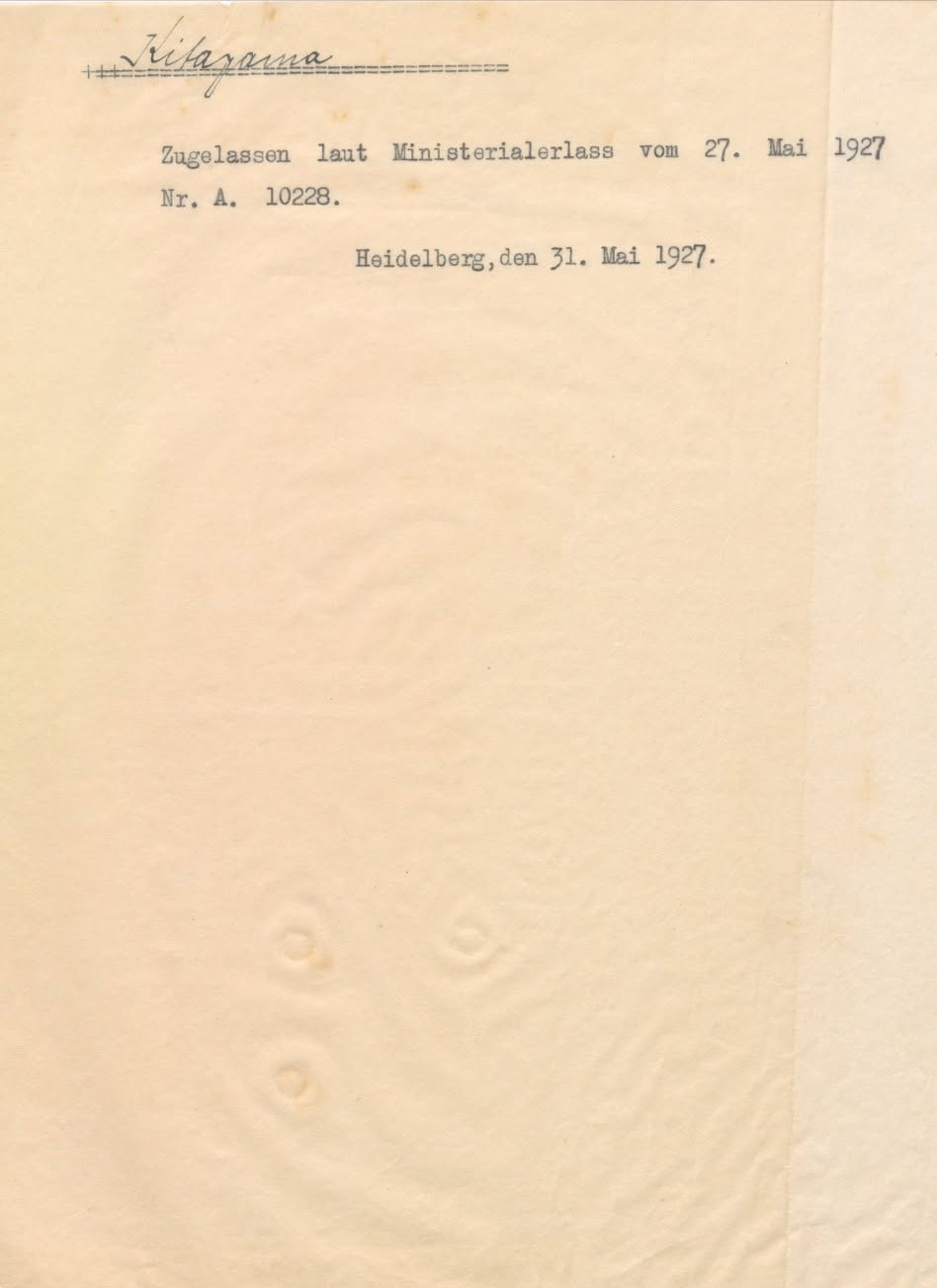
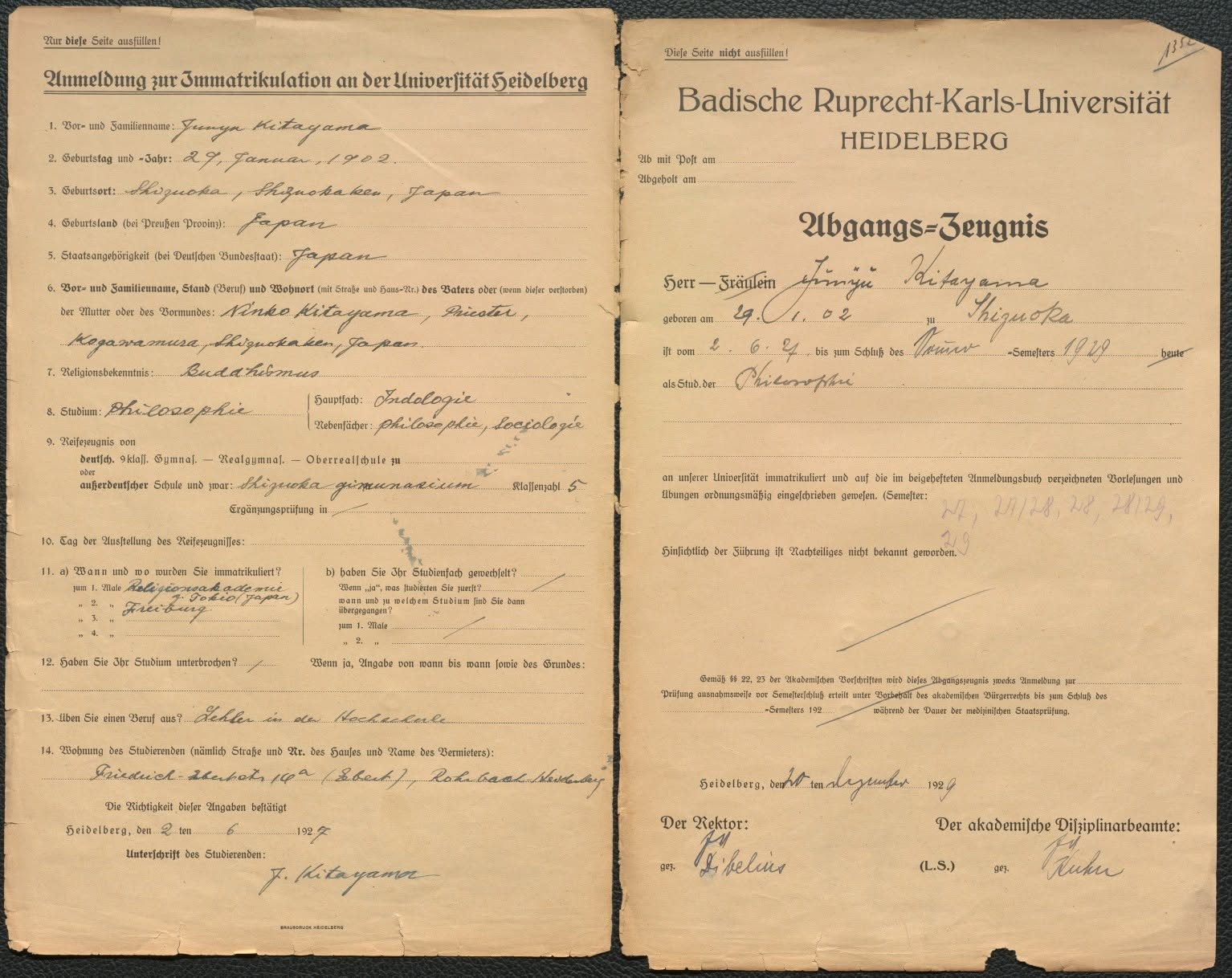
The collection includes a CV, application for admission, admission confirmation, student identity card, registration form and university leaving certificate. The registration is dated 2 June 1927 and the Abgangs-Zeugnis 20 December 1929. The latter is not a doctoral diploma.
The application to the Faculty of Philosophy is dated 13 May 1927 in the heading; its receipt stamp reads 17 May. Admission was authorised by a ministerial decree of 27 May and confirmed in Heidelberg on 31 May 1927.


Source: Lute Currie · X, 19. 2. 2025 · X, 7. 4. 2025
Tomáš Gecko: Džunjú Kitajama (2020)
This biographical study dates Freiburg studies to 1924–1927 and Heidelberg studies to 1927–1929, the doctorate in philosophy to June 1931, and closer contacts with the German University in Prague to the turn of 1943–1944. It places release from forced labour in 1946. The earlier compilation and later memoir sources differ over the duration and dates of imprisonment; they cannot be combined into one exact chronology without further verification.
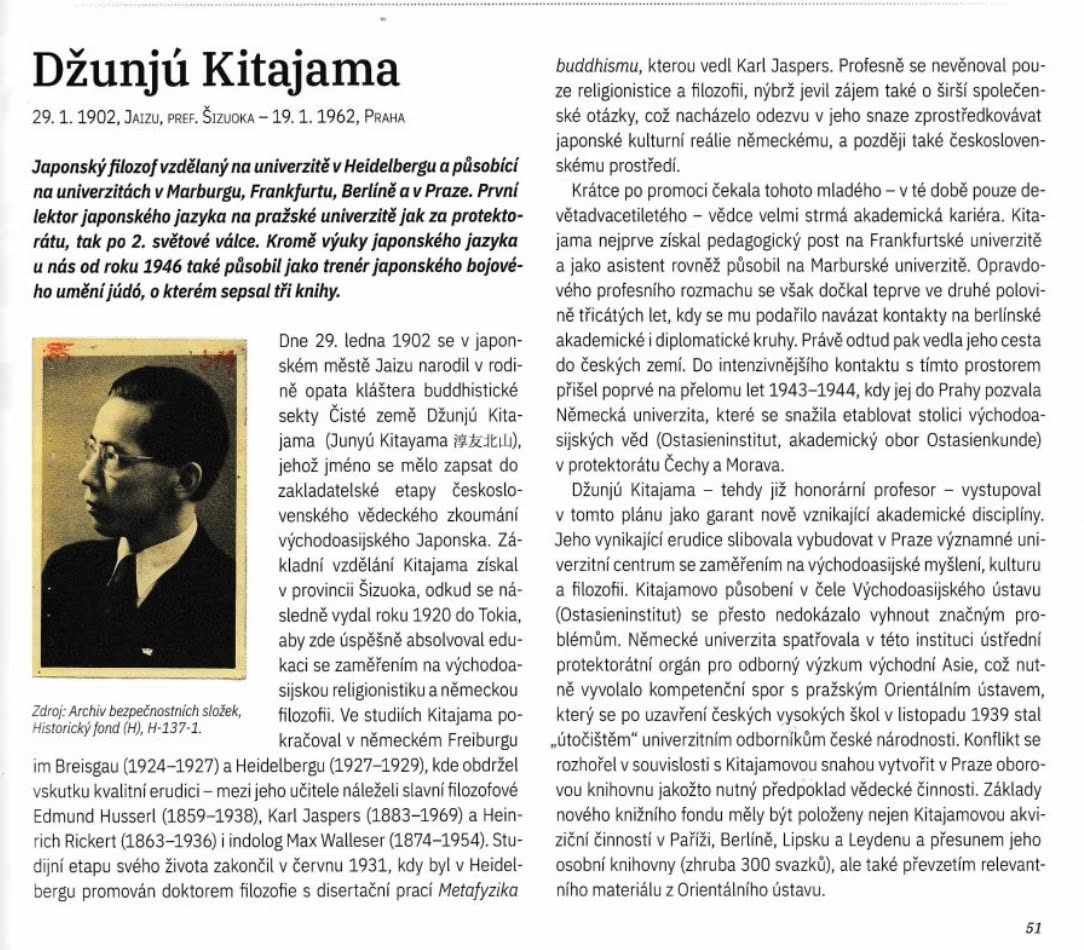
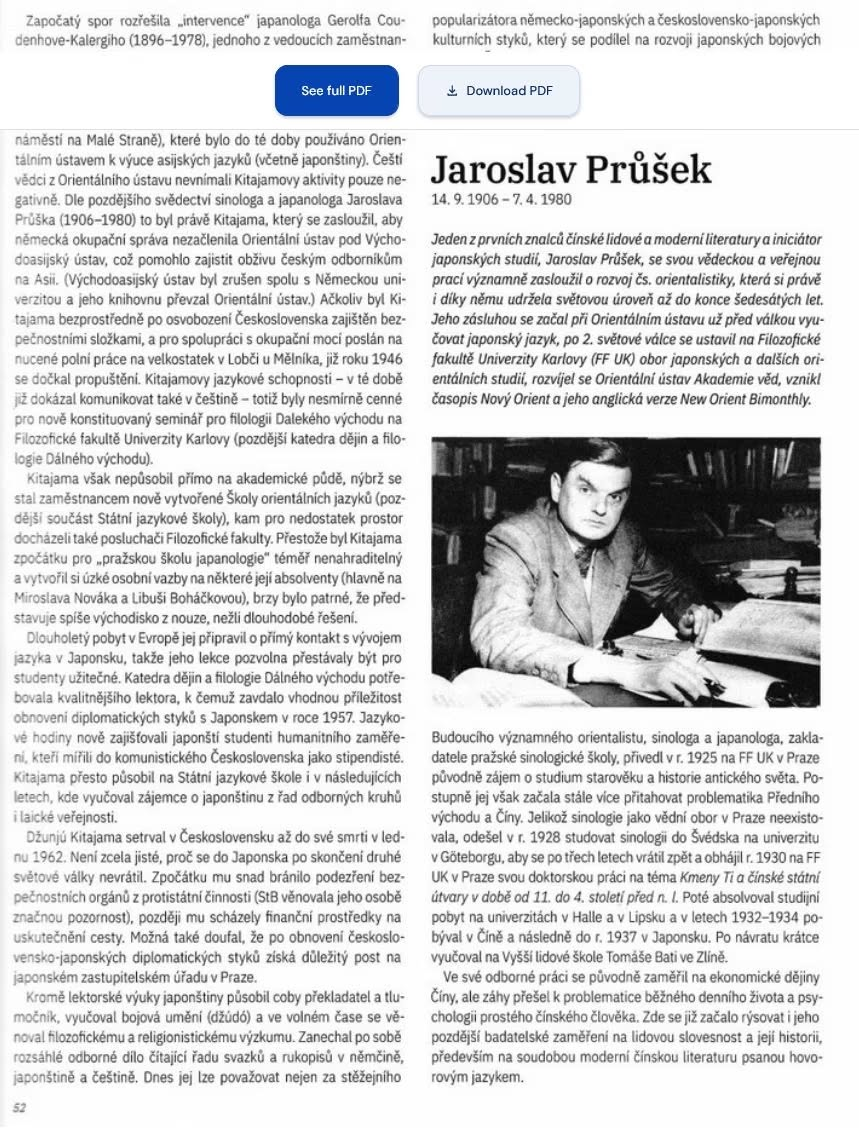
Pages 51 and 52. On page 52, Kitayama’s biography continues in the left column; the right column concerns Jaroslav Průšek.
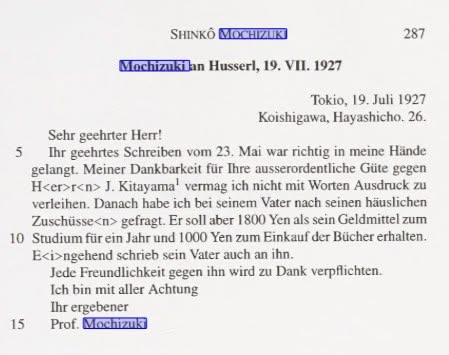
Shinkō Mochizuki to Edmund Husserl, 19 July 1927
Mochizuki thanks Husserl for helping Kitayama and reports that, after an enquiry to his father, Kitayama is to receive 1,800 yen for one year of study and 1,000 yen for books. The German “Er soll … erhalten” describes intended support for Kitayama, not a confirmed payment already made. The letter replies to one dated 23 May; its relationship to the letter quoted by Ogawa remains a working hypothesis.
- The benefit of dr. Jun'yu Kitayama, Japanese language teacher (focused on his stay in interwar Germany) - Yoshimi Ogawa, Yokoham National University
document in Czech translation original document in Japanese
- Judošu Šimbun (Pure Country School Newspapers) 10. 1 September 1977, No 127, str. 4., scanned article, document in Japanese
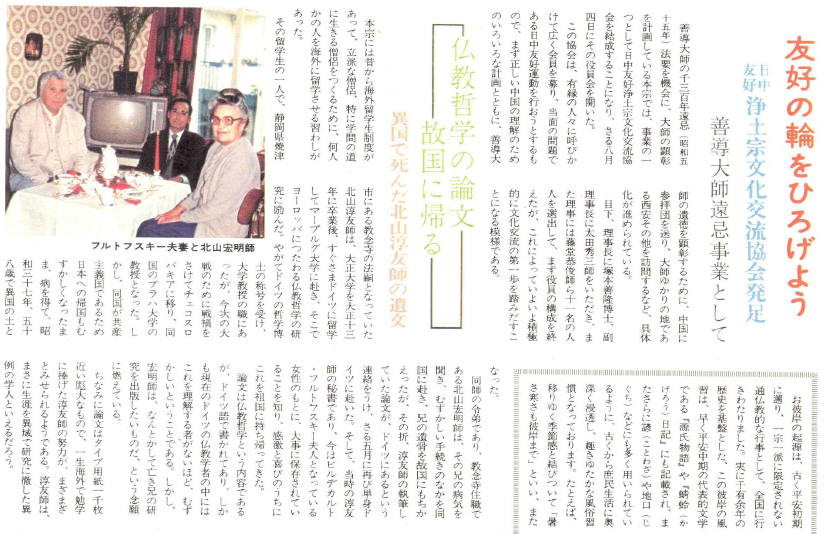
Translation of the article:
Scientific work on Buddhist philosophy. Return to the homeland.
The literary estate of Teacher Jun'yu Kitayama, who died abroad Our school had a system of foreign traineeships for many years. It was customary to send a few people to study abroad to become excellent monks, most of whom would be on the scientific path. One of them was Jun'yu Kitayama, a pupil from the temple of Kyoto in Jaizu, the Prefecture of Shizuoka. In 1924 he graduated from Taisho University and then went on an internship to Germany.
He settled at the University of Marburg, where he was dedicated to studying Buddhist philosophy that spread to Europe. He completed his degree in philosophy, he became a university professor. However, because of the war in progress he left for Czechoslovakia where he taught at Prague University. However, because of communism in Czechoslovakia he was prevented from returning to his country, became ill and died at the age of 58 years in 1962.
His younger brother, Hiroaki Kitayama, a monk from the temple of Kyoto, heard about his brother's illness, handled difficult formalities and went to Czechoslovakia. His brother's remains were taken to Japan, but on that occasion he received information that the scientific work Junyuu wrote was in Germany. He went back to Germany in May. He was very moved and delighted when he heard that this work had been carefully provided for by Jun'yu's former secretary. He took the piece to Japan.
This scientific work is focused on Buddhist philosophy, but it is written in German. What's more, it is so complex that none of the current German Buddhist specialists understand it. But Hiroaki wants to publish a work that is the result of his brother's research at all costs. It is, by the way, a very large work, almost a thousand pages of typescript, which makes it quite clear the effort with which Jun'yu has studied abroad throughout his life.
Apparently, we can say that Jun'yu was an exceptional scholar who devoted his entire life to studying abroad.
- Judošu Šimbun (Pure Country School Newspapers) of 1. 1 March 1985, No 217 pp. 10
An article about erecting the Memorial of the philosophers at the shrine of Kyoto in Jaiz, as a reminder of Kitayama Junju

- The Japan Institute in Berlin (1925-1945) Remarks on its structure and activity, author: Ebehard Frise document in German , scanned article, 16 pages, size 12.5 MB
The article is partly dedicated to Kitayama, who was the director of Japan Institute in Berlin between 1936 and 1944. Overall, the article focuses on the structure and activity of this institute in the years 1925-1945.
- Charles University in Prague Faculty of Arts of the Institute of Economic and Social History, RIGOROZÁ JOB, Mgr. Tomáš Gecko Czechoslovak-Japanese economic relations between the world wars (institutional background, foreign trade, technology transfer and entry barriers) Czechoslovak- Japan economic relations between the world wars, page 184
Apparently, as a result of Germany's allied ties to Japan, it enjoyed the support of official posts and underwent dynamic development during World War II. In 1944, a separate scientific field of East Asian studies (Ostasienkunde) was even established at the German University under the guidance of Honorary Professor Junyu Kitayama (1902- 1963). While Kitayama focused on Japanese thinking, culture and philosophy, CoudenhoveKalergi introduced listeners to the language and ensured methodological anchoring of the field.
A number of new lectures - Japan, countries, people and culture, Japan's foreign policy from 1854 to the present, Introduction to Japan's history and culture, the twentieth century in East and West, Lao-c'a Nietzsche, Non-existence and sixth sense as fundamental issues of East Asian spirituality, Japanese spirit or Consideration on East Asian art have been opened.
(Source: Charles University Archive, German University Fund in Prague, Odrnung der Vorlesungen an der deutscher Universität in Prag; Idem, Deutsche Karls- Universität in Prag. Vorlesungen.)
Although Japanese science in Czechoslovakia was established after the abolition of the German University in 1945 on a completely different basis, continuity with the previous period continued. Among the pioneers of Japanese studies at the Faculty of Arts of Charles University were people connected to either Gerolf Coudenhove- Kalergim and the Japanese Association (Jaroslav Prásek, Vlasta Hilská) or to the German University in Prague, respectively, the head of East Asian studies Junju Kitayama (Miroslav Novák, 1924-1982).
(source: For the constitution of Japanese studies at FF UK see Zdeněka Švarcová, Japanese Studies at Charles University, Oriental Archive 66, 1998, No. 1, s 31-32. Miroslav Novák graduated from Sinology and Japanese Studies after World War II, one of the founders of Nový Orient. He worked professionally at Charles University, in 1968 he co-founded the Czechoslovak-Japanese Society. It examined the specificities of the cultural and linguistic forms of Japanese language. J.
Filip (red.), Czech and Slovak orientalists, Africanists and ibero-Americans, s. s. 355- 357.)
- Several mentions of Mr Karl Fiala - Czech Japanese scientist, linguist and philosopher, university teacher and translator from Japanese.
article For the anniversary of the founding of the Czechoslovak-Japanese company - jpg in Czech

The article deals with the history of Czechoslovak Japanese and mentions Mr Kitayam's influence on the development of Japan in Czechoslovakia.
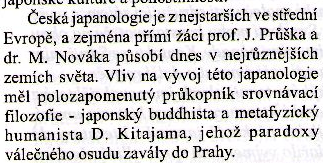
WHO WAS KDO - information about the Japanese scientist Miroslav Novák
"In the war period, he attended seminars of prof. J. A break in the School of Oriental Languages, then at the Oriental Institute in Prague. The courses he took after the war were recognised as part of his university studies. Since 1946 he studied at the Faculty of Arts of the UK Sinology and in 1947 he signed up for a newly founded Japanese. Prof. Fahr also had considerable influence on his professional development.
Junyu Kitayama, who originally arrived in Czechoslovakia as an involuntary prisoner of war - but with the Czech environment soon came together and made a significant contribution to Japanese and Japanese culture in our country, which enriched the synthesis of Buddhist ideas and German existentialist philosophy of his teachers Husserl and Heidegger. However, much of Novak's unique knowledge and methodology must be attributed to a separate study that can be monitored back until manual work for total deployment.
The study ended by defending the doctoral thesis of Euphonia in haiku a r. 1952 he was awarded the PhDr. "

"At the beginning of the 1930s, relations between Frankfurt and Japan were so close that the city needed a Japanese editor / language correspondent. Professor Kitayama Junyuu then founded a small Japanese institute of Kjoshic. With the support of participating entrepreneurs, he turned to a "local group" that soon signed up for an invitation from the "German-Japanese Society." In 1951, the German-Japanese Association (DJG) of Frankfurt am Main was founded in its current form. '
Günther Haasch (ed.): The German-Japanese Societies from 1888-1996, Berlin 1996, ISBN 3891661924
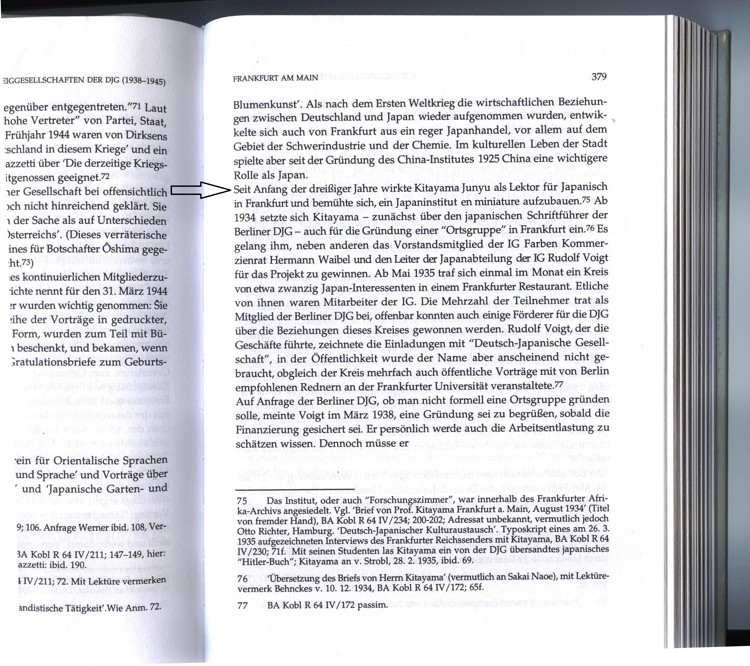
At the beginning of the 1930s, interest in Japan had solidified in Frankfurt to such an extent that with Prof. Kitayama Junji was already an editor of Japanese in Frankfurt and in 1934 he worked for a Japan Institute en miniature. kyô-shitsu) set up. With the help of interested industry, this developed into a “local group” in Frankfurt, which at that time already drew invitations with “German-Japanese Society”.
From May 1935, a circle of about twenty people interested in Japan met once a month in a Frankfurt restaurant.
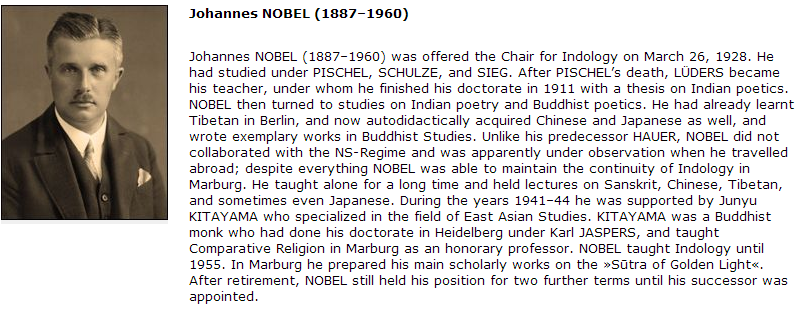
"During the years 1941-1944 he was supported by Junjou Kitayama who specialized in East Asian studies. Kitayama was a Buddhist monk who made his doctorate in Heidelberg at KARL JASPERS, and taught the Comparative Religion in Marburg as an honorary professor. "

The movement: newspaper d. dt. Students, page: 120, 11.1943
"Deutsch-japanischer Abend
As part of the political education work, as it is maintained in the course of the semesters in the camaraderie of the NSD.-Studentenbund, spoke at the invitation of the camaraderie “Carl Peters” (Business School Berlin) the head of the Japan Institute Berlin and ordentl. Professor at the University of Marburg Junyu Kitayama in front of a small circle of invited guests on the topic “The current state of Japanese culture”.
Prof. With a fine-sounding accentuation of the German language, Kitayama gave rise to the living image of Japanese mental attitude and Japanese character in front of a listener, which should now* rarely be presented to them in such forcefulness and clarity.
In the first part of the lecture, the current state of Japanese education in all its sub-areas was shown on the basis of statistical documents, especially the figures about the level of Japanese book production and the ranking of purchased books surprised. At the head of all literary branches is the production and sale of books on educational issues.
The problem of education plays a very important role in the life of the Japanese, as Professor Kitayama explained in the second part of his remarks, because the introduction of the Japanese into an ethically and morally perfect human being is the most essential demand that the Japanese tradition and conception impose on the living generations.
The words Prof. Kitayamas left a lasting impression on all listeners, as was expressed again in the subsequent casual gathering.
- Helhz-Peter Gosse "
- The Stuttgart Illustrated visits Japanese living in Germany. VII. The life mission of Professor Yunyu Kitayamas, illustrated in Stuttgart. City of the Foreign Germans, No. 13 (1.) April 1942), 187.
- Moderní ⁇ dhismus číslo 5 (25.3.1998)
- Humboldt University of Berlin - Graduates and former employees Graduates or former employees - Humboldt University in Berlin
*Kitayama, Junyu, Prof. Dr., philosopher, 1936-1944 Japanese assistant at the Japan Institute and Deputy Director, 1944-1945 Ordinarius and director of the East Asia Institute of Charles University Prague
- Forgotten Buddhist philosopher - Old Bookstore Research Journal Zapomenutý ⁇ dhistický filozof http://furuhon-ya.hatenablog.jp/entry/2013/09/25/232650 , Japanese
Article on the blog about Mr. Kitayama
20130925
Forgotten Buddhist philosopher
Do you know the people of Junyu Kitayama? Even if you search for the net, it is a Buddhist philosopher who has been forgotten to know the people in modern age.
In 1902, he was born in the temple of Jodo-sect in Shizuoka Prefecture. After graduating from Religious University (Taisho University), he studied at Fryburg University in 1924, and then studied his philosophy under Fussar, under Ernst Royman. In 1927, he moved to Heidelberg University. In 1930, he wrote a doctoral paper titled "Buddhism and Metaphysics".
In 1925, the textbook of "Twenty-fourths" was published by Sylvan Levi, and in 1932, there is a French translation by Levi himself, but Kitayama has written a PhD in 1930, so I had to translate it before the French translation of Levi. After him, ⁇ uwallner, whose original translation of "Twenty-fourths," said Kitayama, "Die Philosophie des Buddhismus" (First edition: 1956).
It seems to be a fairly unique "philosophical book" using the German philosophy term such as "Dasein" of Hydegger, according to the teaching information. However, it may be considered a ideological idea that was interpreted in the tide of the German world at the time when ⁇ omena, actual philosophy and interpretation were established.
In this article, Dr. Johiko Fujimoto’s “Juntomo Kitayama: Buddhist philosopher of iso ⁇ high” and Mr. Asahio Mineshima’s “Modern comparison thinker Junsuke Kitayama” are published.
In addition, there is "Areya Sensation of Kitayama Junyu" and it will be a reference. I look at this, and write here now ...(^^;The ⁇ omena and the sense of unity, this book itself is high difficulty level, but I do not read at all...
In addition, it seems to be famous in the direction of Sochi because I was a Judo instructor in Czech Republic. The Czech version of this website has detailed descriptions, and I found such sites. I think that the name of Buddhist philosopher who has been active in foreign countries should be more useful without returning to Japan since ⁇ alone.
*1: The original title is “Metaphysik des Buddhismus: Versuch einer philosophischen Interpretation der Lehre Vasubandhus und seiner Schule”. It was published by Kohlhammer in 1934.
*2:Kant-Studien Band40.Year,1935
- Did you see him? Those who remained after the defeat of Germany?) http://www.saturn.dti.ne.jp/~ohori/sub-zanryu.htm , Japanese
The article deals with the fate of Japanese people who worked in Germany during 2 years. World War II and they were caught in Europe by the end of the war, below is a section dedicated to Mr Kitayama
I'm sorry.
In 1924, Kitayama was dispatched to Germany as an international student from Jodo Sect. He studied Buddhism Philosophy and Indian Studies in Germany and received his PhD from Heidelberg University in 1929.
In 1936, Kitayama moved to Berlin as Vice President of Japan-Institute-Berlin.
⁇ ween 1942 and 43, it was a close relationship with Ambassador Oshima who empathized Natis.
In 1944, he moved to ⁇ and served as Director of the Japanese Consulate General Toa Research Institute. He was named Kitayama in the list of German Japanese neighbors in November of the same year, and his address is ⁇ erstenwalde, 50 kilometers east of Berlin.
In the report of the Consulate General of Vienna, Kitayama is a Japanese professor at the Far East Association of Japan during the German defeat. It seems that Kitayama did not follow the fried recommendation to Berlin, which was in close proximity to the Soviet army, but it is unclear.
After the war, he was forced to stay for one year. In 1946, he became a judo teacher and Japanese teacher. He was not familiar with the environment. He was unable to escape from the Czechoslovakia who became a co-pro ⁇ country, and his self was severe. In 1961, he had been hospitalized in suburban hospitals.
(Mainly "Japanese Language Teacher Juntomo Kitayama's ⁇ s.) From Hiroko Ogawa.
According to the record of the consular cons ⁇ ation of Okuyama, there are other Japanese people in Vienna.
Munich: Seijiro Emori (except German), Setsuko Honma (children whose wife of Emori set up with the former husband Honma)
⁇ tz: Unexpected Iguchi
She is a German who has Japanese nationality, although she married and died.
- The World Health Conference and the Japanese-German Cultural Exchange - Daisuke Tano http://dogenken.web.fc2.com/gesch2/gesch2_21-40.pdf , Japanese
About Kitayama lecture at the World Health Organisation conference on "Free Time and Rest" (Freizeit and Ertolong) for Japan - July 1936 in Hamburg, Germany (before the start of OK in Berlin)
He was a lecturer of Japanese and Japanese culture (tokuni-buddhism) at the University of Frankfurt in ⁇ . According to the text of the Ministry of Foreign Affairs, “The lecture is focused on the prosperity of Japan’s spirit, not only dozens of enthusiastic listeners, but also talks about the occasional problems related to Japan that are held occasionally.” The three-time report of Kitayama held at the meeting was the subject of “Lesson and Rest” in Japan, “Lesson with Japanese Women”, and “ ⁇ System in Japan.” The first report of this meeting is the most important. In this report, Kitayama is a family festival that has been emphasized by people who are not obsessed with the meaning of labor and leisure. However, the Japanese business is defined. Therefore, Kitayama concludes as follows, as the problems of capitalism should be solved in a manner that is appropriate to Japan. “The labor is celebrated on the day of celebration, and it ensures the rest of the work, as well as an organic body that preserves traditional nation’s own law, which must survive and affect the civilization of modern technology and economy in terms of global economic and culture.” Although it is a Buddhist philosopher with religious traditions, considering the nature of reporting at international conferences, Kitayama rarely recognizes an exe ⁇ ary role in Germany, but rather raises its own leisure time from a position close to multiculturalism.
- Kitayama, byl zřejmě velmi nápomocen při vzniku filmu Nippon – the Land of the Rising Sun (1942 od Gerhard Niederstraß) zmínka o poděkování z Illustrated film courier
Source: http://de.metapedia.org/wiki/Nippon_%E2%80%93_das_Land_der_aufgehenden_Sonne
"The film tells of all this, which Gerhard Niederstraß and Marion Halvoraen carefully supervised under Professor Kytayama's help and which found a grateful echo in the heart of the friends."
- Japanese buddhism in the third reich, Brian Victoria, 2017 - Zdroj: http://www.thezensite.com/ZenEssays/CriticalZen/Japanese_Buddhism_in_the_Third_Reich.pdf
Kitayama Junya's Role
In the midst of the heightened interest in Germany concerning Japan’s allegedly male-oriented heroic faith, it is not surprising that German-speaking, Japanese Buddhist priests had a role to play. The role played by Pure Land priest Kitayama Junyū (1902–1962) is particularly notable. One need only look at the title of one of his books, Heroisches Ethos. Das Heldische in Japan (Heroic Ethos.
The Heroic in Japan) to recognize the contribution he made toward the transformation of Japanese religion into a martial faith.
As is typically the case in the modern Japanese priesthood, Kitayama was the son of a Pure Land priest who, following his undergraduate study of Buddhism in Japan, was sent to pursue his graduate studies in Germany by order of the Pure Land sect in 1924. This eventually led him to the University of Heidelberg, where he wrote his doctoral thesis on the metaphysics of Mahāyāna Buddhism under the famous philosopher Karl Jaspers in 1931.
Kitayama’s commitment was not simply to the Mahāyāna school in general but to its Japanese manifestations in particular. Like so many of his fellow Buddhists in Japan, Kitayama claimed that Japanese Mahāyāna constituted “the final stage and fulfillment of Buddhist religiosity.”18
Although Kitayama was active in both Japanese and religious studies, his influence was greatest in the field of intercultural exchange. In 1926 he accepted the role of deputy to the Japanese director of the Berlin Japan-Institut, which had been established to foster both cultural and academic mutual understanding and cooperation between Germany and Japan.
Characterized as “a warm and upright friend of National Socialism” in an article by Kubota Hiroshi, Kitayama’s reward for his support of the Nazis was appointment as director of the Department of Japanese Studies at the German-speaking Karls-Universität in Prague in 1944.19
The year 1944 also marked the publication of Kitayama’s Heroisches Ethos. Das Heldische in Japan. In this book we encounter a major difficulty Kitayama faced in his efforts to promote Japanese Buddhism to his German readers. This difficulty stemmed from his affiliation with the Pure Land sect of Japanese Buddhism rather than Zen. Kitayama explained:
As a result of the fact that D.T. Suzuki published his works on Zen in English, followed by translations into other languages, the general impression in Europe is that the Zen sect is the only Buddhist school of thought to have played a role in Japanese intellectual history. This is because Suzuki devoted his works exclusively to the Zen sect of which he is a priest. Few significant works have been published about the other sects.
Hence, no one in Europe has access to other or better materials on Japanese Buddhism than the writings of D. T. Suzuki.20
On the one hand, Kitayama’s remarks about D.T. Suzuki alert us to the importance of Suzuki’s role in Nazi Germany, a more detailed description of which follows below. As for Kitayama, he felt it was important to point out that the heroic nature of Japanese Buddhism was not just a product of Zen but sprang from the very nature of Japanese Buddhism. He wrote:
The heroic spirit of Japan comes from the union of individual Buddhism with state Buddhism. Japanese Buddhism seeks the ideal human existence not only in the past and future, but finds it in the present at the place where the eternal is united with the transitory…. For this reason, it was possible to combine Buddhism with the thinking of the Japanese government. Therefore, in Japan there were patriots in priestly robes, priests as great patriotic figures, and heroes as followers of Buddhism.21
Kitayama, like German enthusiasts for Japanese Buddhism, was faced with the further challenge of explaining the relationship of Buddhism to the indigenous Shintō faith. This was a far more important topic than might appear, since it mirrored a parallel struggle in Nazi ranks between an acceptance of Christianity despite its Jewish roots and an embrace of a putative pre-Christian “pure” Germanic (or Aryan) religious faith.
Nazi leaders held contrasting views concerning Christianity’s acceptability. On the one hand, there were figures like Heinrich Himmler and Adolf Hitler himself, powerful though relatively few in number, who rejected all forms of Jewishtainted Christianity. In particular, Himmler saw it as his task to restore, or if necessary create, a truly pre-Christian Germanic or Aryan faith.
There were, however, far more Nazi leaders like Alfred Rosenberg, one of the principal ideologues of the Nazi party and editor of the chief Nazi paper Völkischer Beobachter. Rosenberg and his cohorts considered such German figures as Martin Luther and Meister Eckhart to have been major reformers of Christianity who created an authentically Germanic faith.
Thus, despite its decadent roots in Judaism, the claim was made that Christianity in Germany had, as a result of a struggle lasting many centuries, taken on an authentic Germanic character.22 This latter position was acceptable to the vast majority of Germans, both Catholic and Protestant, who continued to regard themselves as Christians.
Kitayama and many of his German colleagues argued that something similar had occurred in the case of Buddhism: despite the allegedly fatalistic and pessimistic nature of early Indian Buddhism, the subsequent Mahāyāna school had transformed Buddhism into an active faith engaged with the world.
Building on this, Buddhism in Japan had been further transformed into a masculine, heroic faith that initially sustained the warrior class, thereby serving as the spiritual basis for Japan’s modern soldiers, who pledged loyalty unto death to the emperor and country.
Chapter Three of Kitayama’s book was entitled “The Japanese Sword as a Symbol of the Heroic Spirit.” In it Kitayama united Shintō mythology with Buddhism into an organic whole via the history and function of the samurai sword:
Early in Japan’s mythological era the measure of a sword lay in its ethical and religious significance. One of the jewels that the Sun Goddess, ancestress of the Imperial Family, sent her grandson was a sword, symbol of his regency and granted for the purpose of defending justice.
For this reason, the sword later became recognized within Buddhism as “The Sword of Demon Conquest”. Accordingly, the sword must not be used as a murder weapon, but only as a weapon to combat evil and injustice.23
Kitayama went on to identify the unity of Buddhism, particularly Zen, and the sword as a major characteristic of Japan’s medieval feudal lords and samurai. Kitayama, like Suzuki, focused on the teachings the 17th century Zen master Takuan (1573 – 1645) gave to his samurai disciples. These teachings demonstrated, Kitayama claimed, that “through the art of swordsmanship, one can reach that state of consciousness known as enlightenment or release (Erlösung) in Buddhism.”24
And finally, in what must have resonated deeply to Nazi ears, Kitayama ended this chapter as follows:
Swordsmanship training in preparation for death is the Alpha and Omega of the Japanese hero spirit…. One is no longer the bearer of life but of death, standing above life and everything that happens in life, able to freely, undeterred and courageously master whatever takes place. Therefore, the Japanese heroic spirit is decisive to finding the right place to die.25
One is left to wonder whether Kitayama himself was able “to courageously master whatever takes place”, in that at the end of the war he was interned as a proGerman collaborator by the Soviet Union. Following his release, Kitayama became a teacher of Japanese and judo but would never see his homeland again, for the Czechoslovakian government refused to approve his repatriation to Japan. Kitayama was thus forced to stay in Prague until his death in 1962.
18
Quoted in Kubota, “Strategies in Representing ‘Japanese Religion’ during the National Socialist
Period: The Cases of Kitayama Junyū and Wilhelm Gundert,” p. 623.
19
Ibid., p. 618.
Kitayama, Heroic Ethos. The Heroic in Japan (Heroic Ethos). The Heroic in Japan, p 62.
21
Ibid., pp. 68-70.
22
For further details of this little known but critical split in Nazi ‘religiosity,’ see Baier, “The Formation and Principles of Count Dürckheim’s Nazi Worldview and his interpretation of Japanese
Spirit and Zen.” Available on the Web at: http://japanfocus.org/-Karl-Baier/4041 (accessed 3 July
This appropriation is intended to cover expenditure on studies, meetings of experts, information and publications directly linked to the achievement of the objective of the programme.
23
Kitayama, Heroic Ethos. The Heroic in Japan (Heroic Ethos). The Heroic in Japan, p. 88.
24
Page 109
25
Page 119
Further images from the original page


Original wording of this section · 2018
- Přínos dr. Džun’jú Kitajamy, učitele japonského jazyka (zaměřeno na období jeho pobytu v meziválečném Německu) - Jošimi Ogawa, Jokohamská národní univerzita
dokument v českém překladu původní dokument v japonštině
- Džódošú Šimbun (Noviny školy Čisté země) 10. září 1977, č. 127, str. 4., naskenovaný článek, dokument v japonštině
Překlad článku:
Vědecká práce o buddhistické filozofii. Návrat do vlasti.
Literární pozůstalost učitele Džun’jú Kitajamy, jenž zemřel v cizině Naše škola měla již odedávna systém zahraničních stáží. Bylo zvykem vyslat několik lidí na zahraniční studium, aby se z nich stali vynikající mniši, predevším tací, jenž by se dali na vědeckou dráhu. Jedním z nich byl i Džun’jú Kitajama, žák z chrámu Kjónendži ve městě Jaizu, prefektura Šizuoka. V roce 1924 absolvoval univerzitu Taišó a hned poté odcestoval na stáž do Německa.
Usadil se na univerzitě v Marburgu, kde se zaníceně věnoval studiu buddhistické filozofie, která se šířila do Evropy. Studium završil doktorátem z filozofie, stal se z něj i univerzitní profesor. Kvůli probíhající válce však odjel do Československa, kde vyučoval na pražské univerzite. Kvůli komunismu v Československu mu byl však znemožnen návrat do vlasti, onemocněl a v roce 1962 zemřel ve věku 58 let.
Jeho mladší bratr, Hiroaki Kitajama, představený mnich z chrámu Kjónendži, se doslechl o bratrově nemoci, vyřídil náročné formality a vydal se do Československa. Bratrovy ostatky odvezl do Japonska, při té príležitosti však obdržel informaci, že vědecká práce, kterou Džun’jú psal, je v Německu. V květnu se opět sám vydal do Německa. Byl velmi dojat a rozradostněn, když se dozvěděl, že toto dílo pečlivě opatrovala Džun’júova bývalá sekretářka. Dílo odvezl do Japonska.
Toto vědecké dílo je zaměřeno na buddhistickou filozofii, je však napsáno německy. A co víc, je tak složité, že mu nerozumí ani nikdo ze současných německých specialistů na buddhismus. Avšak Hiroaki chce dílo, jež je výsledkem bratrova výzkumu, vydat za každou cenu. Je to, mimochodem, velmi rozsáhlé dílo, téměř tisíc stran strojopisu, z čehož je zcela zřejmé úsilí, s jakým Džun’jú během celého svého života v zahraničí studoval.
Zřejmě můžeme prohlásit, že Džun’jú byl výjímečný učenec, který zasvětil celý svůj život studiu v zahraničí.
- Džódošú Šimbun (Noviny školy Čisté země) z 1. března 1985, č.217 str. 10
Článek o vztyčení Pomníku filozofů u svatyně Kjónendži v Jaizu, jako vzpomínka na Kitajamu Džunjúa
- Das Japaninstitut in Berlin (1925-1945) Bemerkungen zu seiner Struktur und Tätigkeit, autor: Ebehard Frise dokument v němčině , naskenovaný článek, 16 stran, velikost 12.5 MB
Článek se částečně věnuje Kitajamovi, jenž byl v rozmezí let 1936-1944 ředitelem Japan Institutu v Berlíně. Celkově se článěk věnuje struktuře a činnosti tohoto institutu v letech 1925-1945.
- Univerzita Karlova v Praze Filozofická fakulta Ústav hospodářských a sociálních dějin, RIGORÓZNÍ PRÁCE, Mgr. Tomáš Gecko Československo-japonské hospodářské vztahy mezi světovými válkami (institucionální zázemí, zahraniční obchod, transfer technologií a vstupní bariéry) Czechoslovak-Japanese economic relations between the world wars (institutional background, foreign trade, technology transfer and entry barriers), strana 184
Zřejmě v důsledku spojeneckých vazeb Německa na Japonsko se těšila podpoře oficiálních míst a prošla v průběhu druhé světové války dynamickým rozvojem. Roku 1944 dokonce vznikl na Německé univerzitě samostatný vědní obor Východoasijská studia (Ostasienkunde) pod vedením honorárního profesora Džunjúa Kitajamy (北山 淳友, 1902-1963). Zatímco se Kitajama soustředil na japonské myšlení, kulturu a filozofii, CoudenhoveKalergi seznamoval posluchače s jazykem a zajišťoval metodologické ukotvení oboru.
Postupně došlo k otevření celé řady nových přednášek – Japonsko, země, lid a kultura, Zahraniční politika Japonska od roku 1854 do současnosti, Úvod do dějin a kultury Japonska, Dvacáté století na Východě a Západě, dále Lao-c' a Nietzsche, Nebytí a šestý smysl jako zásadní otázky východoasijské spirituality, Japonský duch či Úvahy o východoasijském umění.
(Zdroj: Archiv Univerzity Karlovy, fond Německá univerzita v Praze, Odrnung der Vorlesungen an der deutscher Universität in Prag; Tamtéž, Deutsche Karls-Universität in Prag. Vorlesungen.)
Přestože se japonské vědy v Československu konstituovaly po zrušení Německé univerzity v roce 1945 na zcela odlišném základu, kontinuita s předcházejícím obdobím přetrvala. Mezi průkopníky japonských studií na Filozofické fakultě Univerzity Karlovy se nacházeli lidé spojení buď s Gerolfem Coudenhove-Kalergim a Japonským sdružením (Jaroslav Průšek, Vlasta Hilská) nebo Německou univerzitou v Praze, respektive vedoucím tamních Východoasijských studií Džunjúem Kitajamou (Miroslav Novák, 1924-1982).
(zdroj: Ke konstituování japonských studií na FF UK viz Zdeňka Švarcová, Japanese Studies at Charles University, Archív orientální 66, 1998, č. 1, s. 31-32. Miroslav Novák vystudoval po druhé světové válce sinologii a japonská studia, jeden ze zakladatelů časopisu Nový Orient. Profesně působil na Univerzitě Karlově, v roce 1968 se spolupodílel na založení Československo-japonské společnosti. Zkoumal zvláštnosti kulturní a jazykové formy japonského jazyka. J.
Filipský (red.), Čeští a slovenští orientalisté, afrikanisté a iberoamerikanisté, s. 355-357.)
- Několik zmínek pana Karla Fialy - český japanolog, lingvista a filolog, vysokoškolský pedagog a překladatel z japonštiny.
článek K výročí zalození Československo-japonské společnosti - jpg v češtině
Článek se věnuje historii československé japanologie a je v něm zmíněn vliv pana Kitajamy na vývoj japanologie v Československu
KDO BYL KDO - informace k japanologovi Miroslavu Novákovi
"Ve válečném období navštěvoval semináře prof. J. Průška ve škole Orientálních jazyků, tehdy při Orientálním ústavu v Praze. Kursy, do nichž docházel i po válce, mu byly uznány jako součást vysokoškolského studia. Od roku 1946 studoval na Filozofické fakultě UK sinologii a v roce 1947 se zde zapsal i na nově založenou japanologii. Na jeho odborný vývoj měl značný vliv i prof.
Džunjú Kitajama, který se do Československa dostal původně nedobrovolně - jako válečný zajatec - ale s českým prostředím se záhy sžil a významně přispěl k poznání japonštiny a japonské kultury u nás, jež obohatil o syntézu buddhistických myšlenek a německé existencialistické filozofie svých učitelů Husserla a Heideggera. Značnou část Novákových unikátních znalostí a metodologie je však nutno připsat samostatnému studiu, jež lze sledovat zpět až do doby manuální práce za totálního nasazení.
Studium ukončil obhájením doktorské práce Eufonie v haiku a r. 1952 mu byl udělen titul PhDr."
"Na počátku let 30.let 20.století, byly vztahy mezi Frankfurtem a Japonskem velmi těsné až tak, že město potřebovalo japonského redaktora/jazykového korektora. Profesor Kitayama Džunjú následně založil malý japonský institut Kjo-šicu. S podporou zúčastněných podnikatelů se s tímto obrátil na "místní skupinu", která se brzy podepsala k pozváním "Německo-Japonské Společnosti". V roce 1951 byl založen Německo-Japonský spolek (DJG) Frankfurt nad Mohanem v jeho nynější podobě."
Günther Haasch (Hrsg.): Die Deutsch-Japanischen Gesellschaften von 1888-1996, Berlin 1996, ISBN 3891661924
Anfang der 1930‘er Jahre hatte sich das Japan-Interesse in Frankfurt so weit verfestigt, dass mit Prof. Kitayama Junji bereits ein Lektor für Japanisch in Frankfurt wirkte und im Jahr 1934 ein Japaninstitut en miniature (ein sog. kyô-shitsu) aufbaute. Daraus entwickelte sich mit Hilfe der interessierten Industrie eine „Ortsgruppe“ in Frankfurt, die seinerzeit schon Einladungen mit „Deutsch-Japanische Gesellschaft“ zeichnete.
Ab Mai 1935 traf sich einmal im Monat ein Kreis von etwa zwanzig Japan-Interessierten in einem Frankfurter Restaurant.
"Během let 1941-1944 byl podporován Džunjúem KITAJAMOU který se specializoval na oblast východoasijských studií. KITAJAMA byl buddhistický mnich, který udělal svůj doktorát v Heidelbergu u KARL JASPERSe, a učil Srovnávací náboženství v Marburgu jako čestný profesor."
Die Bewegung: Zeitung d. dt. Studenten, Seite: 120, 11.1943
"Deutsch-japanischer Abend
Im Rahmen der politischen Erziehungsarbeit, wie sie im Laufe der Semester in den Kameradschaften des NSD.-Studentenbundes gepflegt wird, sprach auf Einladung der Kameradschaft „Carl Peters" (Wirtschaftshochschule Berlin) der Leiter des Japan-Instituts Berlin und ordentl. Professor an der Universität Marburg Junyu Kitayama vor einem kleinen Kreis geladener Gäste über das Thema „Der heutige Stand der japanischen Kultur".
Prof. Kitayama ließi mit wohlklingender Akzentuierung der deutschen Sprache das lebendige Bild japanischer Geisteshaltung und japanischen Wesens vor einen Zuhörern erstehen, das diesen nun* selten in solcher Eindringlichkeit und Klarheit dargeboten werden dürfte.
In dem ersten Teil des Vortrages -wurde an Hand statistischer ' Unterlagen der heutige Stand des japanischen Bildungswesens in all seinen Teilgebieten aufgezeigt, wobei besonders die Zahlen über die Höhe der japanischen Buchproduktion und die Rangfolge der gekauften Bücher überraschten. An der Spitze aller literarischen Zweige steht die Produktion und der Verkauf von Büchern über Erziehungsfragen.
Das Erziehungsproblem spielt im Leben der Japaner eine sehr große Rolle, wie Professor Kitayama im zweiten Teil seiner Ausführungen erklärte, denn die Hinführung des Japaners zum ethisch und moralisch vollkommenen Menschen ist die wesentlichste Forderung , die die japanische Tradition und Geistesanschauung den jeweils lebenden Generationen aufträgt.
Die Worte Prof. Kitayamas hinterließen bei allen Zuhörern einen nachhaltigen Eindruck, wie dies in dem anschließenden zwanglosen Beisammensein nochmals zum Ausdruck kam.
— Helhz-Peter Gosse"
- Die Stuttgarter Illustrierte besucht in Deutschland lebende Japaner. VII. Die Lebensaufgabe Professor Yunyu Kitayamas, Stuttgarter Illustrierte. Stadt der Auslandsdeutschen, Nr. 13 (1. April 1942), 187.
- Moderní buddhismus číslo 5 (25.3.1998) článek 現象学―北山淳友「仏教の形而上学」を中心に
『近代仏教』第5号、1998年3月25日発行 司馬春英 「唯識思想と現象学―北山淳友「仏教の形而上学」を中心に―
- Humboldt-Universität zu Berlin - Absolventen/-innen und ehemalige Mitarbeiter/-innen Absolventi či bývalý zaměstnanci - Humboldtova univerzita v Berlíně
*Kitayama, Junyu, Prof. Dr., Philosoph, 1936-1944 japanischer Assistent am Japaninstitut und Stellvertretender Leiter, 1944-1945 Ordinarius und Direktor des Ostasieninstituts der Karls-Universität Prag
- 忘れられた仏教哲学者 - 古本屋の研究日誌 Zapomenutý buddhistický filozof http://furuhon-ya.hatenablog.jp/entry/2013/09/25/232650 , japonsky
Článek na blogu o panu Kitajamovi
20130925
忘れられた仏教哲学者
北山淳友という方をご存知でしょうか?ネットを検索しても、Wikipediaに記載もなく、現代では知る人ぞ知るという感じの、いわば忘れられた仏教哲学者です。
1902年に静岡県内の浄土宗のお寺に生まれ、宗教大学(大正大学)で望月信亨、荻原雲来に学び、1924年の卒業後、ドイツ・フライブルク大学に留学して、フッサールの下で哲学を、エルンスト・ロイマンの下で印度学・梵文学を学びます。1927年にはハイデルベルク大学に移り、ヤスパースの下、1930年に『仏教と形而上学』*1としてまとめられる博士論文を出します。その中には、梵文・唯識二十論の独訳(ドイツ語での初訳)が含まれていて、それが彼の名をドイツに知らしめることになるのです。その翻訳の書評が、権威ある“Kant-Studien”という雑誌に掲載されます*2。時代的には、リッケルト、ハイデッガー、ヤスパース…と重なりますから、彼らもその独訳を読んだでしょうし、ドイツ哲学界に唯識思想が紹介されたのは彼の功績によるものなのです。ヤスパースは、後に(1957年)『偉大なる哲学者たち』(『Die Grossen Philosophen』)という大作を出しますが、ヤスパースに仏教を紹介し、世界哲学史の構想を抱かせたのは北山の影響だったようです。
考えてみれば、シルヴァン・レヴィによって、ネパールで発見された『二十論』の梵文写本は、1925年に校訂テキストが刊行され、1932年にレヴィ自身による仏訳が出ますが、北山は1930年に博士論文を出していますから、レヴィの仏訳が出る前に独訳していたことになります。彼の後に、『二十論』を独訳するFrauwallnerも(当然)北山訳は見ていて、『Die Philosophie des Buddhismus』(初版:1956年)巻末のBibliographieに記載しています。その辺の書誌情報についてはこちらを参照ください。
で、その『二十論』の独訳ですが、私自身、本文を見てないので何ともいえませんが、伝聞情報によれば、ハイデッガーの“Dasein(現存在)”など、当時のドイツ哲学の用語を使った、かなり独特な“哲学書”になっているようです。いわば、現象学、実存哲学、解釈学が興っていた当時のドイツ思想界の潮流の中で解釈された唯識思想だといえるのかもしれません。実証的な文献学という方法も当然知っていた彼が、どのような意図で、そうした哲学的な叙述をしたのか?伝統的な教学とのズレはどんな意味をもっているのか?いろいろと気になります。彼自身の著作が出まわっていない現状では、何ともしがたい感じですので、早く復刊、和訳されることを望みます。彼の著作はすべてドイツ語ですが、1冊だけ邦訳されています。
この中には、藤本浄彦先生による「北山淳友論 : 孤高の仏教哲学者 北山淳友(マールブルク時代を中心に)」と峰島旭雄先生の「現代の比較思想家 北山淳友」という論考が掲載されてます。
あとは、こちらの中には「北山淳友の阿頼耶識論」があり、参考になります。というか、これを見て、今ここを書いてます…(^^;現象学と唯識ということで、この本自体は難易度が高く、私は全然読み切れてませんが…。
他には、チェコで柔道の指導者をした関係で、そっち方面では知名度が高いようで、Wikipediaのチェコ語版は詳細な記述がありますし、こんなサイトも見つけました。渡独以来一度も日本に戻ることなく、異国の地で目覚ましい活躍をされた仏教哲学者の名はもっと知られるべきだと思うのですが、いかがでしょうか。
*1:現題は“Metaphysik des Buddhismus: Versuch einer philosophischen Interpretation der Lehre Vasubandhus und seiner Schule”で、1934年にKohlhammer社から出版されます。
*2:Kant-Studien Band40.Jahrgang,1935
- 敗戦ドイツの首都に残る (?? Ti co zůstali po porážce Německa ??) http://www.saturn.dti.ne.jp/~ohori/sub-zanryu.htm , japonsky
Článek se zabývá osudy japonských lidí, kteří působili v Německu během 2. světové války a zastihnul je v Evropě konec války, níže je část věnovaná panu Kitajamovi
3 北山淳友
北山は1924年、浄土宗より留学生としてドイツに派遣された。彼はドイツにおいて、仏教哲学さらにはインド学などを研究、1929年にハイデルベルク大学より博士号を取得する。
その後の北山は、ドイツの数カ所の地方大学にて教鞭をとった後、1936年にJapan-Institute-Berlin(ベルリン日本研究所) における副主事就任のためベルリンへと移っている。
1942年から43年にかけてはベルリン大学等で、日本精神を訴え、ナチスに共感する大島大使とも緊密な関係であったという。
1944年にはプラハに移り、日本総領事館内東亜研究所所長を務めるが、同年11月のドイツ邦人隣組リストには北山の名前があり、住所はベルリン東方50キロのFuerstenwaldeとなっている。ベルリン近郊にも避難用住居も残していたようだ。
ウィーン総領事館の報告書では、北山はドイツ敗戦時「同地(プラハ)極東協会にて日本語の教授をしている。」とある。北山もソ連軍軍の迫る中で出されたベルリンへの引き揚げ勧告にも従わなかったようだが、その主たる理由は不明である。
そのままプラハで終戦を迎えるが、戦後の政変の為、強制収容される。1年間労働に服し、1946年に解放される。そして柔道教師、日本語教師を務めたという。環境に馴染めなかったのであろう。共産国となったチェコスロバキアからの脱出を図るが遂げられず、身辺の警戒が厳重になった。1961年病を得て、プラハ郊外の病院に入院、1962年に客死する。
(主に「日本語講師北山淳友の事績.」小川誉子美.より)
先の奥山総領事の記録によると、ウィーン管区には他に以下のような邦人がいてそのまま残留したようだ。
ミュンヘン:江森清次郎妻(但しドイツ人)、本間節子(江森の妻が先夫本間氏との間に設けた子供)
グラーツ:井口未亡人
彼女らは日本人と結婚し死別するものの、そのまま日本国籍を持つドイツ人であろう。
- 余暇の枢軸―世界厚生会議と日独文化交流― 田野大輔 Osa volný čas - Světová zdravotnická konference a japonská-německé kulturní výměna - Daisuke Tano http://dogenken.web.fc2.com/gesch2/gesch2_21-40.pdf , japonsky
O Kitajamově přednášce na konferenci Světové zdravotnické organizace na téma "Volný čas a odpočinek" (Freizeit and Erholung) za Japonsko - červenec 1936 v Hamburku v Německu (před začátkem OK v Berlíně)
に従事し、三五年に博士号を取得、三六年までフランクフルト大学で日 本語・日本文化(とくに日本仏教)の講師をつとめていた。外務省の文 書によると、「同人の講義は日本精神の宣揚を主眼とし、熱心なる聴講 者十数名あるのみならず、同人が時折行う日本に関する時事問題の講演 も相当興味をもって迎えられ、相当の成績を挙げて」おり、「本邦国際 文化事業達成上効果顕著」であった。このため、北山は外務省から国際 文化事業費の助成を受けており、日本大使館を通じて毎月補助金を支給 されていた。三〇年代半ば以降、彼はドイツ各地で頻繁に日本文化に関 する講演を行うが、その活動が外務省に注目され、世界厚生会議への派 遣に結びついたものと考えられる。 北山が会議で行った三回の報告は、「日本における余暇と休養の問 題」、「日本女性と余暇」、「日本の学校制度」という題目であったが、こ のうち総会で行われた最初の報告が内容的に最も重要である。この報告 のなかで、北山は「喜びを通じての力」というモットーに表現された 労働と余暇の理念に理解を示しつつも、日本人にはその民族的特性と 二〇〇〇年の伝統によって培われた独自の見解があると指摘する。「生 活の享受」という個人主義的な観念は、家族を核とする日本人の生活に はなじまず、日本ではむしろ「かせぐに追いつく貧乏なし」という見解 が支配的で、余暇と休養も「創造的な休息」にすぎない。日本の祝祭日 を規定しているのは古来から伝わる陰暦で、宗教的・国家的な意味を 帯びている。北山は正月、花見、盆などの例を紹介しながら、これらの 祝祭が個々人によってではなく、つねに共同体によって祝われているこ とを強調する。日本人にとって仕事は個々人の生活のためにあるのでは なく、「天皇と国家への奉仕」という崇高な意味をもっており、祝祭も また個々人ではなく、家族全員、ひいては国民全員で祝うべき喜びであ る。日本人は仕事の後に家族と過ごすのが普通であり、家族と離れて暮 らす場合でも、職場共同体が家族の役割をはたしている。そこには古来 の家族精神が息づいており、これがマルクス主義の破壊的な影響にもか かわらず、日本人の生活を規定している。それゆえ、資本主義の諸問題 もまた日本にふさわしい仕方で解決されるべきであるとして、北山は次 のように結論づける。 「労働は祝祭日に礼拝的に祝われ、それによって労働からの休養 を確保すると同時に、伝統的な国家を独自の法則を保つ有機体と して、現代の技術・経済の文明的な影響に抗して世界経済・文化 の営みのなかで存続・繁栄させるものでなくてはならない」。 宗教的伝統を重んじる仏教哲学者らしい内容だが、国際会議での報告 という性格を考えると、北山がドイツの模範的な役割をほとんど認めて おらず、むしろ多文化主義に近い立場から日本独自の余暇のあり方を提
- Kitajama, byl zřejmě velmi nápomocen při vzniku filmu Nippon – das Land der aufgehenden Sonne (1942 od Gerhard Niederstraß ) zmínka o poděkování z Illustrierter Film-Kurier
Zdroj: http://de.metapedia.org/wiki/Nippon_%E2%80%93_das_Land_der_aufgehenden_Sonne
"Von all dem erzählt dieser Film, den Gerhard Niederstraß und Marion Halvoraen unter Professor Kytayamas Hilfe sorgsam betreuten und der im Herzen der Freunde ein dankbares Echo fand."
- Japanese buddhism in the third reich, Brian Victoria, 2017 - Zdroj: http://www.thezensite.com/ZenEssays/CriticalZen/Japanese_Buddhism_in_the_Third_Reich.pdf
Kitayama Junyū’s Role
In the midst of the heightened interest in Germany concerning Japan’s allegedly male-oriented heroic faith, it is not surprising that German-speaking, Japanese Buddhist priests had a role to play. The role played by Pure Land priest Kitayama Junyū (1902–1962) is particularly notable. One need only look at the title of one of his books, Heroisches Ethos. Das Heldische in Japan (Heroic Ethos.
The Heroic in Japan) to recognize the contribution he made toward the transformation of Japanese religion into a martial faith.
As is typically the case in the modern Japanese priesthood, Kitayama was the son of a Pure Land priest who, following his undergraduate study of Buddhism in Japan, was sent to pursue his graduate studies in Germany by order of the Pure Land sect in 1924. This eventually led him to the University of Heidelberg, where he wrote his doctoral thesis on the metaphysics of Mahāyāna Buddhism under the famous philosopher Karl Jaspers in 1931.
Kitayama’s commitment was not simply to the Mahāyāna school in general but to its Japanese manifestations in particular. Like so many of his fellow Buddhists in Japan, Kitayama claimed that Japanese Mahāyāna constituted “the final stage and fulfillment of Buddhist religiosity.”18
Although Kitayama was active in both Japanese and religious studies, his influence was greatest in the field of intercultural exchange. In 1926 he accepted the role of deputy to the Japanese director of the Berlin Japan-Institut, which had been established to foster both cultural and academic mutual understanding and cooperation between Germany and Japan.
Characterized as “a warm and upright friend of National Socialism” in an article by Kubota Hiroshi, Kitayama’s reward for his support of the Nazis was appointment as director of the Department of Japanese Studies at the German-speaking Karls-Universität in Prague in 1944.19
The year 1944 also marked the publication of Kitayama’s Heroisches Ethos. Das Heldische in Japan. In this book we encounter a major difficulty Kitayama faced in his efforts to promote Japanese Buddhism to his German readers. This difficulty stemmed from his affiliation with the Pure Land sect of Japanese Buddhism rather than Zen. Kitayama explained:
As a result of the fact that D.T. Suzuki published his works on Zen in English, followed by translations into other languages, the general impression in Europe is that the Zen sect is the only Buddhist school of thought to have played a role in Japanese intellectual history. This is because Suzuki devoted his works exclusively to the Zen sect of which he is a priest. Few significant works have been published about the other sects.
Hence, no one in Europe has access to other or better materials on Japanese Buddhism than the writings of D. T. Suzuki.20
On the one hand, Kitayama’s remarks about D.T. Suzuki alert us to the importance of Suzuki’s role in Nazi Germany, a more detailed description of which follows below. As for Kitayama, he felt it was important to point out that the heroic nature of Japanese Buddhism was not just a product of Zen but sprang from the very nature of Japanese Buddhism. He wrote:
The heroic spirit of Japan comes from the union of individual Buddhism with state Buddhism. Japanese Buddhism seeks the ideal human existence not only in the past and future, but finds it in the present at the place where the eternal is united with the transitory…. For this reason, it was possible to combine Buddhism with the thinking of the Japanese government. Therefore, in Japan there were patriots in priestly robes, priests as great patriotic figures, and heroes as followers of Buddhism.21
Kitayama, like German enthusiasts for Japanese Buddhism, was faced with the further challenge of explaining the relationship of Buddhism to the indigenous Shintō faith. This was a far more important topic than might appear, since it mirrored a parallel struggle in Nazi ranks between an acceptance of Christianity despite its Jewish roots and an embrace of a putative pre-Christian “pure” Germanic (or Aryan) religious faith.
Nazi leaders held contrasting views concerning Christianity’s acceptability. On the one hand, there were figures like Heinrich Himmler and Adolf Hitler himself, powerful though relatively few in number, who rejected all forms of Jewishtainted Christianity. In particular, Himmler saw it as his task to restore, or if necessary create, a truly pre-Christian Germanic or Aryan faith.
There were, however, far more Nazi leaders like Alfred Rosenberg, one of the principal ideologues of the Nazi party and editor of the chief Nazi paper Völkischer Beobachter. Rosenberg and his cohorts considered such German figures as Martin Luther and Meister Eckhart to have been major reformers of Christianity who created an authentically Germanic faith.
Thus, despite its decadent roots in Judaism, the claim was made that Christianity in Germany had, as a result of a struggle lasting many centuries, taken on an authentic Germanic character.22 This latter position was acceptable to the vast majority of Germans, both Catholic and Protestant, who continued to regard themselves as Christians.
Kitayama and many of his German colleagues argued that something similar had occurred in the case of Buddhism: despite the allegedly fatalistic and pessimistic nature of early Indian Buddhism, the subsequent Mahāyāna school had transformed Buddhism into an active faith engaged with the world.
Building on this, Buddhism in Japan had been further transformed into a masculine, heroic faith that initially sustained the warrior class, thereby serving as the spiritual basis for Japan’s modern soldiers, who pledged loyalty unto death to the emperor and country.
Chapter Three of Kitayama’s book was entitled “The Japanese Sword as a Symbol of the Heroic Spirit.” In it Kitayama united Shintō mythology with Buddhism into an organic whole via the history and function of the samurai sword:
Early in Japan’s mythological era the measure of a sword lay in its ethical and religious significance. One of the jewels that the Sun Goddess, ancestress of the Imperial Family, sent her grandson was a sword, symbol of his regency and granted for the purpose of defending justice.
For this reason, the sword later became recognized within Buddhism as “The Sword of Demon Conquest”. Accordingly, the sword must not be used as a murder weapon, but only as a weapon to combat evil and injustice.23
Kitayama went on to identify the unity of Buddhism, particularly Zen, and the sword as a major characteristic of Japan’s medieval feudal lords and samurai. Kitayama, like Suzuki, focused on the teachings the 17th century Zen master Takuan (1573 – 1645) gave to his samurai disciples. These teachings demonstrated, Kitayama claimed, that “through the art of swordsmanship, one can reach that state of consciousness known as enlightenment or release (Erlösung) in Buddhism.”24
And finally, in what must have resonated deeply to Nazi ears, Kitayama ended this chapter as follows:
Swordsmanship training in preparation for death is the Alpha and Omega of the Japanese hero spirit…. One is no longer the bearer of life but of death, standing above life and everything that happens in life, able to freely, undeterred and courageously master whatever takes place. Therefore, the Japanese heroic spirit is decisive to finding the right place to die.25
One is left to wonder whether Kitayama himself was able “to courageously master whatever takes place”, in that at the end of the war he was interned as a proGerman collaborator by the Soviet Union. Following his release, Kitayama became a teacher of Japanese and judo but would never see his homeland again, for the Czechoslovakian government refused to approve his repatriation to Japan. Kitayama was thus forced to stay in Prague until his death in 1962.
18
Quoted in Kubota, “Strategies in Representing ‘Japanese Religion’ during the National Socialist
Period: The Cases of Kitayama Junyū and Wilhelm Gundert,” p. 623.
19
Ibid., p. 618.
Kitayama, Heroisches Ethos. Das Heldische in Japan (Heroic Ethos. The Heroic in Japan), p 62.
21
Ibid., pp. 68-70.
22
For further details of this little known but critical split in Nazi ‘religiosity,’ see Baier, “The Formation and Principles of Count Dürckheim’s Nazi Worldview and his interpretation of Japanese
Spirit and Zen.” Available on the Web at: http://japanfocus.org/-Karl-Baier/4041 (accessed 3 July
2014).
23
Kitayama, Heroisches Ethos. Das Heldische in Japan (Heroic Ethos. The Heroic in Japan), p. 88.
24
page 109
25
page 119
Works in detail
The posthumous collection: corrected bibliography (1985)
東と西永遠の道 : 仏教哲学・比較哲学論集 — Higashi to nishi eien no michi, “East and West, the Eternal Way”. Tokyo: Hokuju Shuppan (北樹出版), March 1985. Author: Junyū Kitayama; translation supervised by Mineshima Hideo (峰島旭雄), rather than a co-author of the original texts. NDL records 460 + 18 pages and specifically lists a chronology and bibliography on pp. 367–374. Those pages remain a priority for further consultation; their contents are not presented as already read.
Hokusai’s woodblock prints and Kitayama’s poems
Ten images of Mount Fuji accompanied by poetic texts by Junyū Kitayama. Petr Březina supplied the German text and his Czech and English translations. This selection supplements the existing book entry and account of Kitayama’s preface.
Open all ten images and poems · Back to the book entry
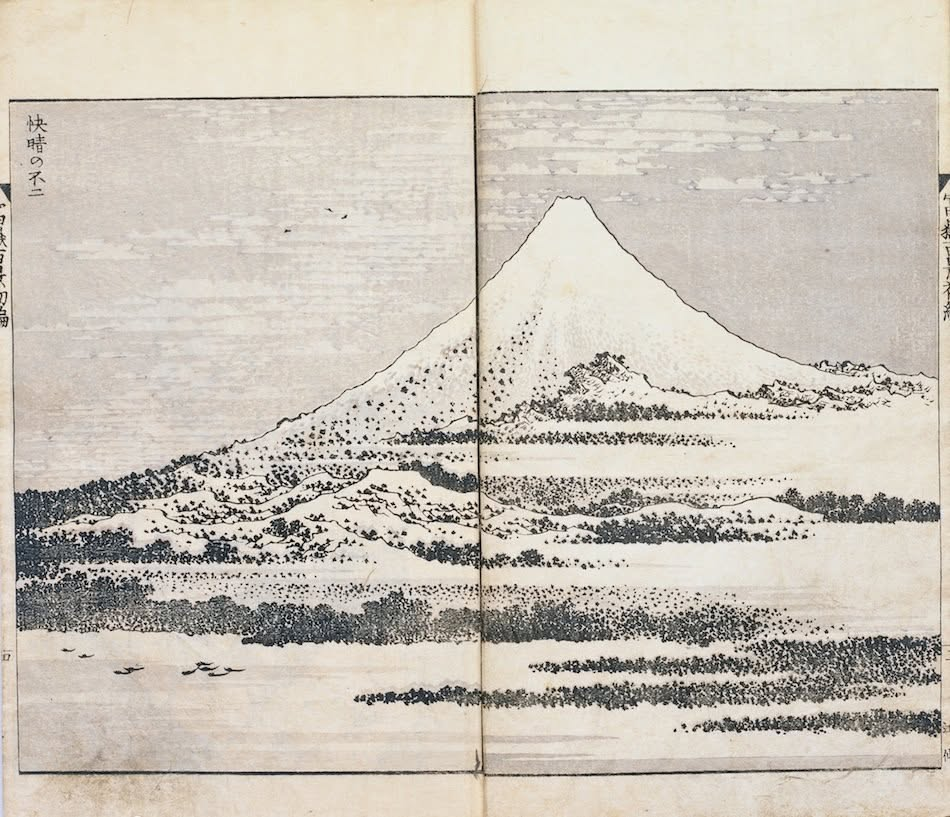

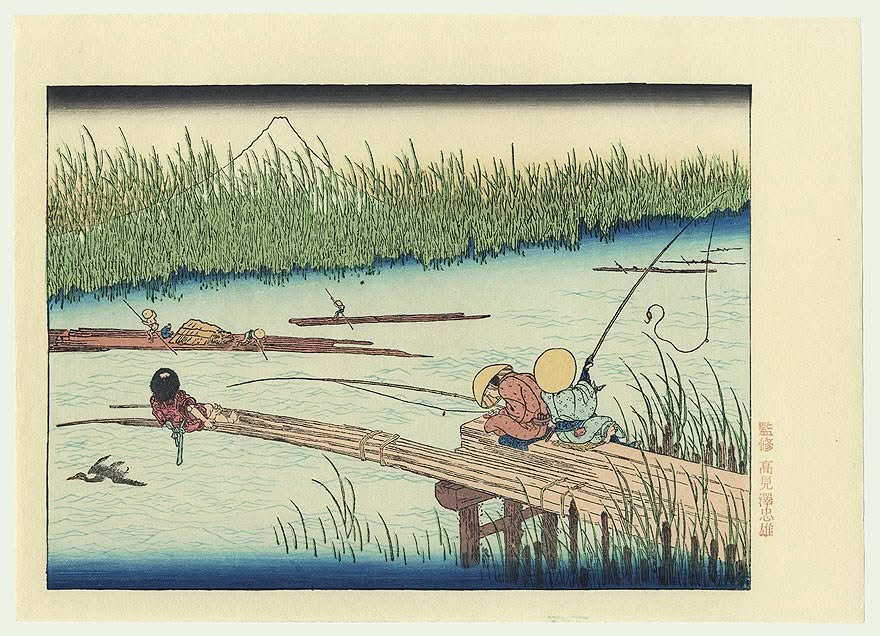
Apparently Kitayama Junju's main work can be considered as the work of Higashi-to-nishi - eien- no-michi: bukkyċ@-@ tetsugaku; hikakutetsugaku-ronshås, which came out only in 1985 - 23 years after Kitayama died. Of the works published during his life, the works of West - östliche Begegnung: Japans Kultur und Tradition and Heroisches ethos may be considered essential. Another smaller and significantly shorter work by Kitayama was published in the Japanese Kulturserie edition. He was also the author of a large number of articles.
Prices and availability of individual editions should be checked with the seller.
▁Higashi to niši een no mici: Bukkjó▁tecugaku, hikaku▁tecugaku ronshu
East and West E ⁇ Paths: Buddhist Philosophy and Comparative Philosophy
East and West, the Eternal Way: collected essays on Buddhist and comparative philosophy.
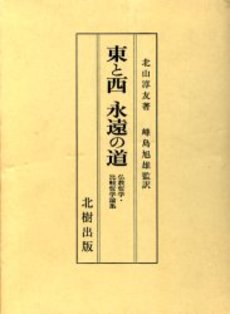
Japanese translation supervised by Mineshima Hideo (峰島旭雄).
Publisher: 北樹出版 Kitaki shuppan
Japanese
Issued in March 1985
Number of pages
ISBN 978-4-89384-450-7
Price 6300 yen
Description: I do not have this publication, nor its review - as soon as possible it will be completed
West - östliche Begegnung: Japans Kultur und Tradition
Meeting East and West: Japanese Culture and Traditions
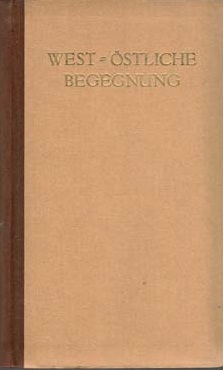

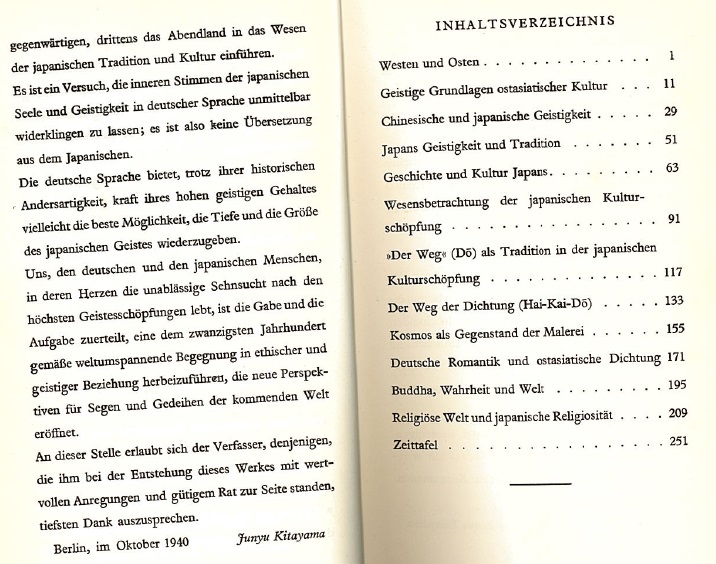
Publisher: W. de Gruyter, Berlin
German
Issued 1941 / 1st edition 1941 / 2nd edition, 1942 / 3rd edition, 1954 / 4th edition
Number of pages: 252
ISBN: 978-3-11-141291-7 (1942), 978-3-11-084424-5 (1954)
Description:
Contents:
West and east... 1
The spiritual foundations of East Asian culture.... 11
▁Chinese and▁Japanese▁spirituality... 29
Japanese spirituality and tradition.... 51
History and culture of Japan.... 63
Assessment of the character of Japanese cultural work.... 91
"Cesta" (Do)▁as a▁tradition in▁Japanese▁culture of the▁dealership .... 117
The Way of Poetry (Hai-ku-do).... 133
Space as an object of painting... 155
German romanticism and East Asian poetry.... 171
Buddha, truth and the world.... 195
Religious world and Japanese piety.... 209
Chronology... 251
A passage from this book:
Der Weg des Tees (Chia-do)
The "Way of Tea" is one of the last paths for every spiritual of the Japanese people, it also signifies the reality of the symbol of the depth of Japanese spirituality. In the Tea Path, the intellectual history of East Asia for four thousand years seems complete and sublimated like a living work of art, free from abstraction, away from the logo system.
From the unapproachable dignity of the Tea-Way every sacred glow of sacrifice and cult shine fades, before the depth of the Tea-Way Spirit every system of philosophy fades away, before the silence of the Tea-Way Soul every poetry and music ceases.
Everything seemingly great appears like a baroque facade in the tea room, and every so-called grandiose in word and tone sounds like market cry next to the tea action.
The light of the Tea Path is the midday sun, which shines silently at the highest point while keeping the whole cosmos breathing. The tranquility of the tea practice of the darkest midnight, in which no difference between living and dead becomes visible. But in the execution of the Tea Way, both become present. In the beyond of life and death, behind history and destiny, on the ground of everything passing, flows the life stream of the tea-knowing.
The Tee-Way apparently announces death before the eyes of the greedy for life. He stands too high above the haste of everyday life. He remains too silent before the so-called creative spirit.
No visible success with diligence and spirit, no lasting work for now and eternity is accomplished. The tea action begins without resonance of enthusiasm or proclamation, it takes place monotonously and colorlessly and ends with a farewell greeting of the invitees who watch the clearing away of all objects by the host. Nothing remains in the room - only the emptiness of the tea room - just like the beginning, the end takes place.
There is no climax with ecstatic elevation, no intrusiveness through the scenery. As a streak of white clouds moves in the clear sky, so does the vapor from the tea kettle rise up in space.
The invited sit silently like the gods at the meal. The tea just brewed spreads a fragrance that falls the room and penetrates through the senses into the soul.
The field water of the southern river lies there - even bluer than the sky,
über ihm schwebt eine weiße Möwe...
mit ihrem Flug schwing mein Herz
zeit- und endlos.
The spirit of the tea path has no externally achievable goal. His system and its practice only give instructions. The learning of the tea action, which does not take a certain period of apprenticeship and yet requires years or even the whole life to enter into the last chamber of the vow, is only a path that leads to no end.
Also, the tea path knows no usability for practical life, it is independent of profit and advantage.
What distinguishes him from all other arts or ethical actions is that in the tea cult man has himself as his object. Man as a physical and spiritual unit becomes a work of art on the basis of his natural qualities. Man works as an artist on himself. The sublimation of all senses, the increase in spiritual depth, the deepening of the psychic source takes place in it as it were jerky.
However, despite all non-ordinaryness in the sense of doing and doing, the Tea Way does not want to turn away from life and reality. Despite his almost mystical appearance, he is not subjected to any intentional immersion.
The Tea Way does not despise the world, like monasticism in the Christian or Buddhist sense. He also does not know ecstasy, neither in aesthetic nor ascetic form. The tea path is existentially thought a simple work of the self-discovery of man. But he does not seek the home of man in a credible transcendence. Neither God nor the All comes to his aid, in order to find its origin - surely of itself.
Hard, but awesome, the tea expert goes the way and controls himself from step to step. The double game of a person goes on until the mirror image disappears and unity with himself is established. The two souls in the sense of Goethe, one looking at the stars, the other clinging to the world, are united. No more sensory noise and no more high altitudes.
The alleged contradiction between body and mind is abolished in one sphere as a harmonious unity. The body is not ashamed of the spirit, the spirit is not inhibited by the body, because man himself is only a spirit incarnated. Separations between idea and reality, ideal and given are only serious and effective where the mind detaches itself from the body, where man feels himself more sense-filled and closer to being as a lonely person.
But never has there been and still is a mind without a body, even in religious devotion, in the reading of a philosophical or literary work, or in contemplation of an image. There is no more pure-spirited than pure-body. The extreme increase of the mind leads the body either into the mechanism called habit, or into the state in which the body floats like incense in the air of some world of ideas.
Both the human being loses his wholeness and leaves his actual existence as a unity of body and mind.
In the tea world there is a gradual increase in body-mind existence, in which the senses are refined as senses and thus the mind gains its freedom to immerse itself in itself.
In the sound of boiling water one hears the roaring elements of the sea, in the scent of tea itself one smells the young power of natural freshness, which is then transformed on the tongue into the immediate taste of the plant world. On the artful objects such as tea cup, tea can and tea cloth that you take in your hand, the plastic key sensation is trained.
In the sight of a painting hanging alone in a niche and perched as a focal point in the room atmosphere, one delves into the world of pictorial symbolism. The architecture of the tea room and garden around it is an entire work of art, but it flows into the landscape and cosmic nature. Only as a milieu does the tea room form an art and cult site in which people sit in pure harmony of spiritual and sense world.
In this pure (be) and silent (jiaku) atmosphere, the invited sit in harmonious (wa) and respectful (kei) togetherness.
The company was divine in pairs: one guest and the host; noble with two guests; tasteful with three or four guests; entertaining with five or six guests, and the company with more than seven or eight guests counted as a gift. Silent communication between two understanding people who sit opposite each other like two gods does not require human language, they understand each other and rejoice in being there.
The narrow tea room of just under two square meters resembles a pantheon of the gods, in which all present hide their individual glory in mutual respect and enjoy quiet but cheerful communion. They do not come together from the addiction to loneliness, but they are invited to talk for an hour about their works and tasks.
No one decides, no one boasts, only the silent feast of the tea shop is the mirror for all present, which reflects everything that is hidden.
Once the Buddhist Vimalak?rti "XX" invited the wise disciple of Buddha Ma?jusr? "XX" with 32 other Bodisattvas to talk about access to absolute truth. Vimalak?rti "XX" addressed to everyone the same question. Each one answered according to his knowledge and spoke of overcoming the dualism between finiteness and eternity, appearance and essence, good and evil, suffering and happiness, not I and I, etc.
Finally, Ma'jusri said "XX": "In my opinion one enters into the unity of all opposites when one has realized that everything being is inexpressible, indistinct, insignificant, unknowable, therefore free from all discussion." Afterwards he addressed Vimalak?rti "XX": "Now we have all communicated our opinions; what do you mean on this?" Vimalak?rti "XX" did not answer, he remained silent. Then Ma'jusri said "XX": "Probably, your answer is correct."
Not a word, not an explanation, that is the true access to surplusness.
Silence is not stupidity, not embarrassment, but knowledge itself. It constitutes the highest stage in which all East Asian ideals flow together. In the beginning was the word - but in the end there is no word.
Lonely lies a path in the twilight
mitten im Herbstwald.
Niemand geht und bricht
den Frieden des Abends.
(Basha)
This lonely path is like the path of tea. He embodies the peak of leisure; preserving the glow of summer in still lasting warmth, he senses the cold of the coming winter and death. This is the reality of earthly existence, which can escape neither the high flight of the spirit nor the exuberant feeling.
The profound philosophies with their edifice of thought and the most poignant works of poetry are silent before the unshakable seriousness of transience, and the high sounds of music and the grandiose works of art fade away and fade away from the severity and depth of existence.
Not to flee from it into the world of mind, above the clouds of fantasy, into the fabric of sounds and colors of the sense sphere, but to take on antithesis as antithesis undeterred, to maintain primary unity with the body and matter world as a whole and thereby to reconcile and experience the truth with reality, is to train the Tea Way as the "behaviour to oneself".
But not to unilaterally increase the mind or the senses alone, but to open all human qualities, such as thought, feeling and will, to the rhythm of transience in order to eavesdrop on the voice of eternity and bring oneself into harmony with it, is the goal of training the Tea Way.
Die Stille allein
In die Felsen hinein
Dringen die Stimmen
der summenden Zikaden.
In the glowing sun of the summer afternoon there is silence, all birds and animals are silent, the rocks have been immobile for thousands of years. Like heavy rain, the voices of the cicadas fall and wash around the hard rocks.
Such a silence, which contains within itself the wave of the river of all living things, is the finally acquired behavior of the tea expert towards himself and the world. For the world and life still appeal to him so immensely, because the noble is clearly and immiscibly distinguished from the common, the pleasant sound from the noise in the mirror of himself.
To experience mobility in peace and quietness in motion is the tee behavior, in which the highest mode of existence of all that is manifests itself.
In the evening moonlight, the roaring sea shimmers
aus der Ferne
zwischen den Bäumen
im Garten.
From the window of the tea room, during a fragrant cup of tea, the Tea Master sees the distant sea between the trees of the garden on a moonlight evening. The moon, the sea and man form an unspeakable whole; nature and spirit form the compositions of a great painting. There is no doubt about the origin and future, about the contradiction, only a world - nothing less and nothing more.
At such a moment God breathes instantly in man, and here the cosmic experience of tea cult reaches its climax.
Heroisches ethos. Das Heldische in Japan.
Heroic ethos. Bravery (valor) in Japan.
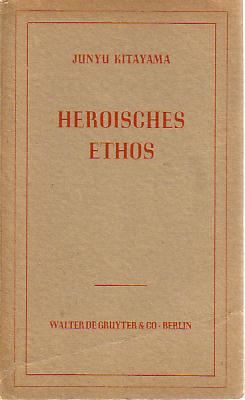
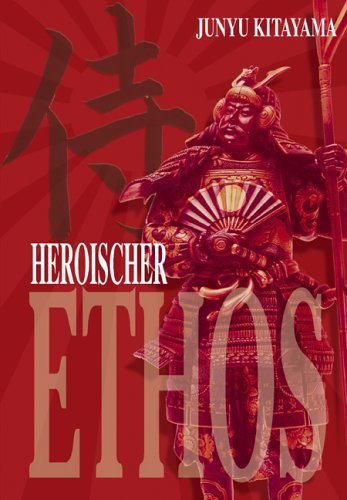
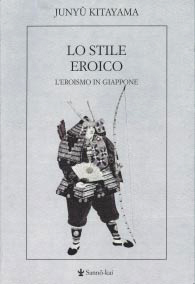
Publisher: W. de Gruyter, Berlin
German, Italian
Published in 1944, Regin- Verlag 2006, Sanno-kai 2002 (Italian version under the title: Lo stile eroico. L'eroismo in Giappone)
Number of pages: 161
ISBN: 3111255689, 9783111255682, 978-3-11-163824-9 (1944), 3937129251
Description:
CONTENTS:
▁Introduction ................................................................. 1
A brave spirit, life and death. Bravery in Japanese mythology. Bravery in Japanese history.
Shintoism and heroic ethos (moral character)..... 7
Religion and bravery. The evolution of a brave spirit in Japan. Bravery and shintoism. Deity and valor. "Divine conduct of war and rule of state." Loyalty as a decisive order. Self-reminder. Loyalty to the master. Loyalty to Tenné.
Buddhism and a valiant spirit.......................................... 61
Unity of mind with experience. Buddhism and the Japanese state. Buddhist awareness of the presence and experience of bravery. A priest like a patriot and a brave man. The valiant self - experience. The ideals of the patterns of valor in Japan.
The sword as a symbol of the valiant spirit........................................... 87
A sword. The value of a Japanese sword. A sword fight as a spiritual upbringing. Buddhist liberation and fencing mastery.
The moral character of valor in peace and in the crisis of the Japanese state........ 121
A fighting spirit in peace. The emergence of a valiant personality. School of patriotism. The School of Brave People
Recreations ......................................................................................... 151
Epilog ................................................... 157

Several quotes translated into Slovak from Kitayama's book "Heroisches ethos. Das Heldische in Japan. "
Source: values _ eticke.doc www.jozefmiko.cz
--------------------------------------------------
Junyu Kitayama H R D I N S K E T H O S
ETOS gr. - moral base, morals - moral character
Etologia - a lesson in morals
FIGHTING Spirit in mieri.
SPIRIT▁EDUCATION▁AND▁CONTROL OF CUSTOMERS▁must be▁cultivated. ▁It is an▁old▁custom to▁build▁spiritual▁education on the▁left and on the▁right. ▁Both▁must be▁taken▁hand in▁hand. But▁even in▁peace,▁messes▁cannot be▁overlooked. ▁Therefore,▁you▁are zealously▁advised to▁deal with the BORNE▁TRAINING. Kitayama, p. 69
Goal:▁forming a▁heroic▁personality. s. 72
The▁scientific▁study we▁have in▁mind▁here▁has the▁task of▁explaining man's▁way to▁death. ▁This▁science can be▁described▁as▁ethical anthropology. ▁Its▁ultimate▁goal is to▁open the▁way for a person to▁look▁after▁every▁single▁being (bonjin -▁average man,▁war -▁everyday man)▁into the Shelter of▁Great▁Personality. s. 73
▁This can▁only be▁obtained by SURPRISE. ▁This▁cannot be▁gained▁either by▁reasoning or by▁listening. ▁This can▁only be▁obtained by▁increasing the▁success of the▁sebaves. The▁master▁only▁shows the▁pupils a▁basic▁line that▁cannot be▁discussed. ▁That is▁why the▁real▁mastery in the▁world is▁precious. s. 73
▁Many▁scholars▁learn the▁things of the past to go▁astray, and▁they▁want to gleam▁before the▁world. Or▁they're▁messing with poetry of▁all▁sorts, or▁files that▁they▁think▁are most▁needed. ▁That's▁what▁they▁call▁studying. ▁This is▁both, not a▁studio of an extinct▁human. s. 74
All of▁this is not an introspective (target) of the AVOIDED (governmental)▁human. ▁What▁does▁scientific▁study actually▁mean? ▁It▁means to▁consider the▁path of past▁worlds▁as a▁basis, in the poles of▁wise and unleashed, to▁see the▁transformations of▁history and the▁laws of man. Eventually▁expanding the▁leadership,▁broadening▁your▁own▁skills and▁grinding▁your▁spirit. s. 74
School of patriotism.
SPIRIT▁EDUCATION▁AND FIGHTING▁TRAINING▁AND SIMPLIFICATION OF▁SCIENTIFIC STUDIES▁WITH▁WORLD PRAXES▁should be INDEDIABLE. Kodokan s. 74
▁THE BOOKS▁TEACH US TRUE, Swords▁AND SKIPES COURSE OUR BREATHING. ▁THE SURPRISE OF▁THE▁HEART▁CAN FOLLOW▁CRISIS▁AND CONTINUE▁IMMEDIATE EVENTS. ▁Explaining the▁truths can▁keep▁one▁himself in▁honor and▁thus▁rule▁others. The▁spirit's▁fault,▁however, is a▁weakness that▁could be▁strengthened by a▁weapon. A▁weapon's▁fault is▁ignorance, which▁could be▁removed by▁spirit. Kitayama, p. 74
▁SHE SCHOOLED A HARDINIAN▁MAN. The▁teaching of knighthood▁rests on▁ethical▁principles: to▁stand up for▁your▁master, to▁your▁parents, TO▁KEEP LOVE TO▁THE▁PEOPLE▁AND TO▁THINK ABOUT▁JUSTICE, TO SCHOOL▁FOR JESUSNÝ▁AND▁GREATERY▁SRDCA▁AND▁RESISTANCE. Kitayama, p. 77
▁THE BASIS OF LIGHT▁TEACHING. ▁THE LIFE OF A RECEIVED▁MAN▁CAN BE▁CARRIED▁OUT IN▁THE▁CORRECT▁USE OF TODAY. ▁Even▁one▁day is long▁enough. ▁It▁consists of▁one▁hour. ▁Also▁one▁hour is▁still long▁enough. ▁It▁consists of▁one▁minute. ▁Even▁one▁minute is▁still long▁enough. ▁It▁consists of▁one▁second. In▁other▁words: The▁age of▁thousands and tens of▁thousands of▁years▁begins with▁one▁second and▁ends with▁one▁day. WHO MISSED▁ONE▁SECUNDA, LESSED▁ALL▁THE DAY▁AND▁MAY END TO▁THE COST OF▁ALL▁THE▁TIME. Kitayama, p. 77
▁Love for▁people is the▁foundation of▁all▁virtue, and▁justice is the▁cause of▁all▁acts. A JOURNEY RECEIVED BY A▁MAN IS JUSTIFICATION TO▁PEOPLE▁AND▁JUSTICE. ▁However,▁they can▁only be▁executed▁when in-house▁sensitivity is▁being tainted.
IF▁WE▁ARE▁NOT QUITELY▁strong, SO IF▁WE MEETING▁WITH▁THOSE HAZARDS,▁CHANGE▁YOUR VESSEL▁AND FRONT TO DYE,▁WE PRODUCE▁YOUR NATURE. Kitayama, p. 78
Fulfilling such▁ideals▁involves▁special▁training of▁character - a▁clarification of the▁mental▁movement. Intellectual▁movements▁should be engendered by the▁emergence of▁high▁targets, a▁single-marking▁strength of▁reason for the▁validity of the▁obligation, the▁maintenance of a▁clean▁witness and a PRIMENCY. ▁Such an▁attitude can not be▁built on a period of▁time, but tactfulness is▁necessarily▁carried in the▁selves by▁itself▁as a▁hidden▁light and do not▁want to show▁their faculties▁outside.
A prosthetic and▁shortsighted man exalts▁himself,▁turns▁himself▁out in front of▁other▁people,▁flattering the▁world▁because▁his▁nature is▁narrow -▁minded. Soko, in Kitayama s. 78
▁When a▁noble person is▁warm▁inside, he is▁able to do▁good and LOVE to▁help▁people and▁save▁matters. ▁When he▁sees the▁misery of the▁world, he▁feels that he is▁suffering. Soko, in Kitayama s. 78
▁ONLY IN▁THIS SESSION▁AND SEBAGEMENT,▁UNDER▁THE MOST FEATURED▁REQUIREMENTS,▁WITHOUT A HARDINIAN▁CHARACTER RYTHIER▁THAT▁CAN▁NOT BE DAMN▁OR▁GODLY,▁OR CONSTRUCTED▁OR DEVELOPED BY POVERTY▁AND EMERGENCY,▁AND DOESN'T ENGAGEMENT BEFORE MOTHER▁AND VIOLENCE. Meng-tse, in. Kitayama s. 78
Sokov's▁words▁consist of▁one▁high rysas of▁humanity, which is engulfed in▁all the▁unique▁features of the Moral▁Teaching and▁above▁every▁misguided▁interpretation of a▁deadly▁concept. The▁place of▁training is▁wherever▁you▁are. ▁Every▁time and▁every▁second▁gives▁you the▁opportunity to▁prove▁yourself. Kitayama s. 79
▁It is▁easy to go to▁death in▁resentment, but it is not▁easy to go to▁death▁calmly. Kitayama s. 79
▁There▁are▁people▁who▁don't▁read and▁those▁who▁read, and▁they▁don't▁think in▁action. Kitayama s. 81
7 RULES OF THE HIGH PORTUGAL:
3. ▁There is▁nothing more▁decisive▁than▁justice for the▁execution of a DESTINED WAY. ▁JUSTICE▁HAS BEEN ALWAYS▁CHANGED IN▁WORK. ▁THE STATUS VECTION is a▁gymnasium with▁justice.
4. ▁Wisdom▁rests on▁direct▁truthfulness that▁rules▁out▁lies. ▁It is the most▁embarrassing villain and exaggeration of▁words.
5. ▁WHEN▁MAN▁CAN'T LOOK AT LIGHTS▁AND MUDRCOS AS▁TEACHERS, IT IS▁NOT A FACILITY! A▁nobleman is under an▁obligation to▁read the▁books and▁appreciate▁his▁friends.
6. ▁Teachers and▁friends▁help us to▁become▁virtuous and▁improve▁our▁abilities. So▁you need to be▁careful▁when▁choosing▁your▁friends.
7. Patience with▁hardness of▁execution with a▁unique▁decision▁rests on an adamant▁attitude.
▁These 7▁Rules of the RECEIVED▁MAN can be▁summarised in▁three▁sentences:
1. DECIDE▁FOR▁THE ROAD OF A MOST LAUGHTER,▁HE'S▁THE BASIS OF▁ALL▁OTHERS.
2. ▁CAREFULly▁elect▁your▁friends and▁fall in▁love with▁people and on▁justice.
3. WEAR BOOKS▁AND▁THINK ABOUT▁THE▁TEACHING OF LIGHTS▁AND MUDRKS!
Shoin School, in. Kitayama, p. 81
"THE▁MAN▁WITH MOST DEVELOPED MISSIONS (WHISPERS)▁WE▁WILL CALL▁ON▁THE▁ONE WHO SCHOOLS IN▁THE ROAD OF BOJA, WHO DOESN'T FEEL▁FOR BAD NEAR,▁AND▁NOT▁FOR BAD GONE. ▁Shoin,in. : Kitayama s. 82
▁Above▁all, it▁must▁place the▁main▁emphasis on▁personal▁application of▁morality and▁mentally▁enjoying▁love for▁people and▁justice (jin-gi). WHO LAUGHTERS, SESSIONS▁AND▁OTHER EXTERNAL▁MATTERS▁ARE▁ALL ENTERTAINED;▁THERE IS NO▁TIME TO▁TAKE▁THIS ASPECT. ▁Shoin,in. : Kitayama s. 82
▁It▁must▁have▁inner▁security and▁pride of permanence; IT▁MUST▁NOT BE READY TO▁CARE▁AND PRECIOUS▁FOOD OF▁OTHERS. ▁Shoin,in. : Kitayama s. 82
IT DOESN'T LEAVE▁ANY ADVERSE OF▁ALL DAYS▁AND OBJECTIONS AT MAJOR▁TASKS. Kitayama s. 82
▁When a person▁does not▁have a GERMAN'S▁mind,▁how can▁his▁abilities and▁wisdom be▁usable! ▁It▁has▁nothing to do with▁passion and▁haste, it spews▁out of man's▁own▁soul quite▁slowly. IT IS▁NOT▁THE VERY BIG NEGATIVE,▁NOT▁THE▁GREAT SILAS, and it▁does not▁appreciate▁little,▁neither the▁small▁enemy▁nor the▁weak▁will. She's the▁mind that's unspeakably in front of the most▁difficult lashes and a▁board for▁small▁comfort and▁little▁pleasure. IT IS STRONGLY EQUIVALENT▁AND WRITING▁WITH▁FULL▁POWER,▁WHEN▁NECESSARY. Kitayama s. 83
▁THE RYTHIER'S▁ALLOCATION IN▁CARRIAGE TO▁PEOPLE▁AND▁JUSTICE, SOLUTION▁EDUCATION▁AND FIGHTING EXPENSES. Everything is▁included in▁both the▁deadly Principe:▁Love to▁people (yin) and▁justice (gi). ▁Love for▁people and▁justice▁will be▁given to▁spiritual▁education and▁justice▁as a▁quality of▁battle▁training. Kitayama s. 85
"For▁this▁reason, we▁must▁never,▁even in the▁sleep or in the▁wake,▁finish or▁at▁mealtimes,▁give▁way to▁humanity and▁justice." Kitayama s. 85
▁Anyone▁who▁does not▁make▁love for▁people▁cannot be▁viewed▁as▁spiritually▁educated,▁even▁if he▁loves literary▁education and▁reads▁as▁many▁books. Those▁who▁master martial▁arts so▁masterfully that▁they▁exceed▁thousands, but▁blameless and▁violently dedicate▁themselves to▁robbery and▁murder▁cannot be▁considered an expert in martial▁arts. ▁THE DEAL OF FIGHTING ART▁MUST▁KEEP▁YOUR ART▁COVERED▁WITHIN▁YOUR INSTANCE▁AND▁CAN'T BE LOOKED▁OUT▁FOR REST. Kitayama s. 85
All the▁virtues of a▁Japanese knight▁are: LOVE TO▁PEOPLE (jin) and▁Justness (gi), SPIRIT▁EDUCATION▁AND FIGHTING▁TAXATION (bun-bu), ROZUM (chi) and STATUS (yu). Kitayama s. 85
FIGHTING▁TRAINING IS▁THE▁LEVEL OF RELIEF▁EDUCATION. The▁weapon is a▁hidden and▁hidden▁power,▁its▁very▁existence is▁also▁decisive and▁MUST AFFECT WITNESSES▁WITHOUT FIGHT. IT▁MEANS▁THE MOST VOLUNTARY▁AND▁THE BEST CALL. Kitayama s. 85
The▁spirit▁must be▁filled with a▁sense of▁love for▁people and▁justice;▁therefore,▁educating the▁spirit by▁training a person▁who▁has the▁greatest▁power in▁reason and▁courage to▁act. Kitayama s. 85
▁It is▁impossible to▁make▁possible,▁unusual to▁transform in the▁usual, inhumanely▁organized▁human,▁these▁are the quests of the▁Japanese HRDINO SPIRIT. ▁That's▁why▁there▁was a▁path to▁this▁objective of dimmed and▁heavy, which is▁why the▁burning▁ghost▁was infinitely▁large, and that's▁why the▁ethical▁requirements▁were▁immense. And the▁heroic in▁Japan▁reached the▁highest conceivable▁level▁because it▁always▁built an▁ideal to▁reconcile the▁spirit with the▁sword, to▁survive RELIGIOUS IN▁GOD'S WAR, and TO DO▁PASSENGERS TO▁IMPROVE TO▁THE MURDER.
▁This▁heroic▁idealism is the source of▁Japanese▁national ethos▁power, which▁has inexhaustible▁possibilities to▁think and▁act and▁has▁proven▁itself▁both on a▁everyday▁day and▁at the▁highest moment of▁state and▁personal▁life. Kitayama s. 87
The▁author▁allows▁himself to do▁this▁small▁work,▁many of which▁were▁created on the▁other▁nights▁wishing that▁all the▁sacrifices in▁this▁war▁would not be in▁vain, and on the▁altar of▁higher▁council and▁humankind show a▁way▁into the▁future. Kitayama s. 87
He▁knows that▁above▁his▁head is the starry▁heaven of▁divine majesty. EVERYTHING IN▁THE▁WORLD IS HAPPENING, STARTING▁AND ENDING▁WITH▁ONE. Kitayama s. 87
And the▁soul, which▁always▁meant a▁creative▁resource to the▁spirit,▁was▁severely▁injured▁between the▁wheels of the▁eternal▁cycle,▁turning▁between the▁causality of▁everyday▁day and▁selfishness▁escalated▁into infinity. Kitayama s. 87
IN▁THE STUDY LIGHT OF "CRITIC DISEASE"▁WITHOUT▁THE EXPERIENCE OF "MORAL," SAYED IN▁THE▁QUANT▁MEAN,▁THE EXTERNAL▁MAN, CLOSE TO▁THE▁METAL▁FORCE OF CIVILSION,▁AND▁THE▁HEART OF▁THAT ZANIKOL A INTERNAL▁MAN▁WITH▁THE▁QUALITY BASIS OF HIS GROWTH. Kitayama s. 87
A▁spirit▁without▁pathos, an▁act▁without ethos -▁this deception of▁our▁century... Kitayama s. 87
Pátos (gr.) Þ▁enthusiasm -▁take-off▁manner of▁spoken or▁written▁speech
▁Because NELLE SPIRIT▁AND IDEAL,▁BUT▁ALL▁PEOPLE▁ARE IN▁THE GAME. ▁That's▁why the▁world is▁standing▁before the▁world's▁out-of-the-way resurrection, man's INTERNAL▁REGULATION. ▁WITHOUT RADICAL ADAPTATION - PROGRESS -▁THE OPPORTUNITY OF HOUSEWORK,▁WITHOUT FIXING▁THE BASIS OF SOLUTION,▁WHICH▁CAN BREAK▁ONLY IN▁ONE▁HUMAN, the system of▁centuries▁will▁collapse▁again for▁its▁purely▁spiritual and▁material▁superiority, with a▁disaster▁greater▁than it▁has▁been so far. Kitayama s. 88
▁What▁makes us▁difficult is the▁size and▁strength of▁mental▁forces that▁are▁able to▁sustain and perpetuate in▁every▁way and▁everywhere, an▁act that▁reflects the▁substance of▁human▁being▁at▁all.
▁However,▁this▁means the▁basic▁self-change of a▁human▁being:▁THE SELF-ENVELOPED SEBECTICITY▁AND OLD BY HAZARD▁AND VALIDITY, REMEMBER IN MILK LIFE. IT▁CAN▁ONLY MAKE A▁NEW▁MAN▁WITH A HORDINIAN VESSEL. Kitayama, p. 88
▁If we▁want to▁achieve▁our▁intentions in a▁world with▁success, let us▁watch▁together with the MRAVNÝ ROAD. But▁if we're▁left unleashed, let's▁follow her▁ourselves! Kitayama, p. 88
We▁call the▁great man▁who can't be devastated by▁God,▁nor by▁his extrinsic▁strength,▁nor by the▁poor,▁nor by the needy,▁nor by the▁force of▁him.
Kitayama, p. 88
--------------------------------------------------
Epilog verbatim from▁book Heroishes Ethos - německy / Kitayamas▁afterword from▁book Heroishes Ethos
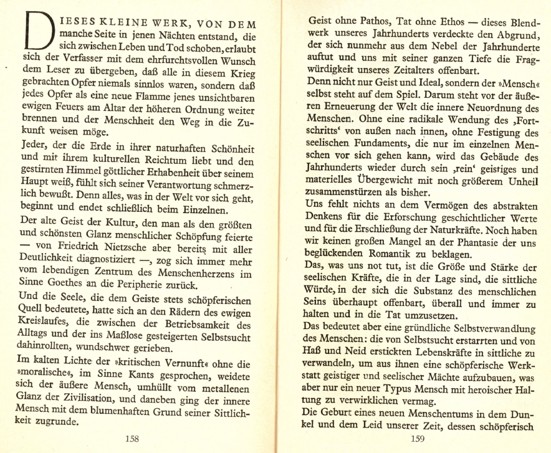
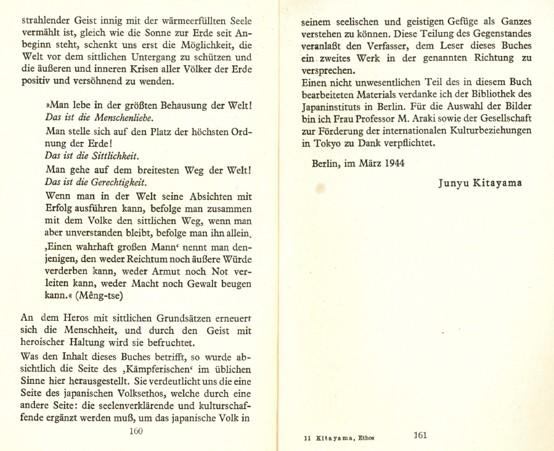
Metaphysik des Buddhismus : Versuch einer philosophischen Interpretation der Lehre Vasubandhus und seiner Schule.
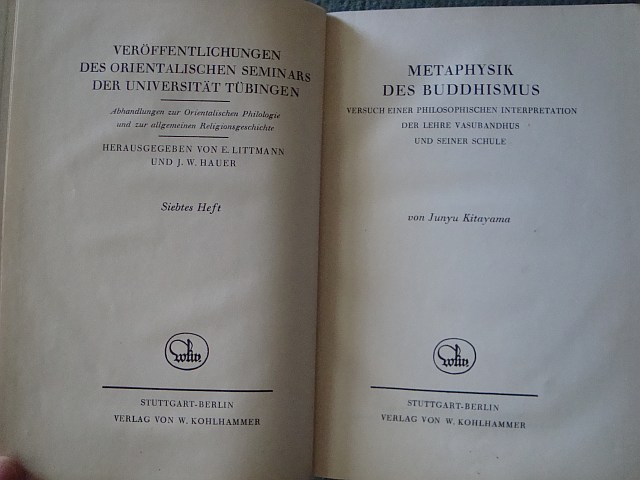
edice Publishings of the Oriental Seminar of the Universitat Tubingen, H. 7. Stuttgart
Publisher: Stuttgart Kohlhamer
German
Vydáno 1934 Stuttgart Kohlhamer, 1974, 1976, 1983 [San Francisco] : Chinese Materials Center
Number of pages: 268
ISBN: 0896444627 9780896444621
Description: to be added
Fujijama der ewige Berg Japans: 36 Holzschnitte
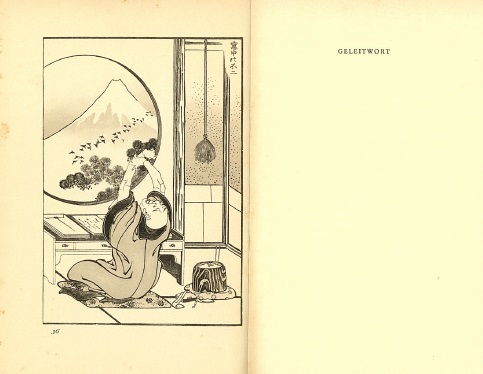
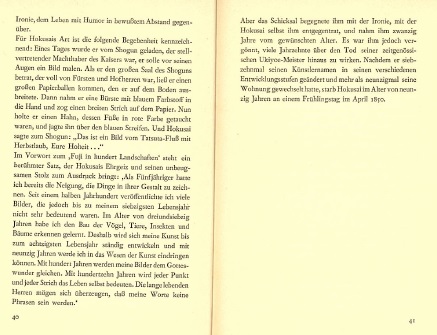
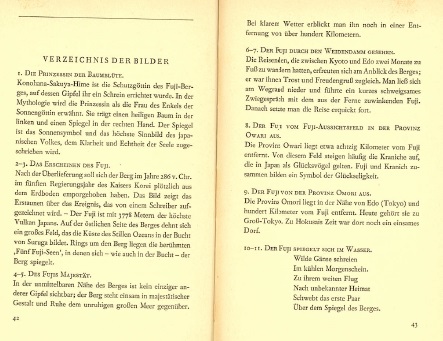
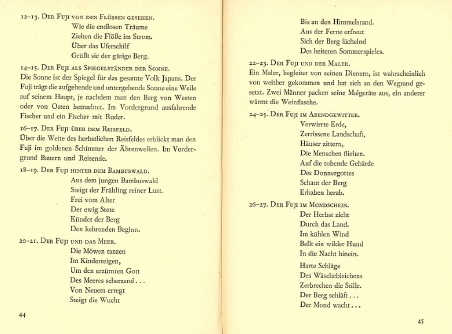
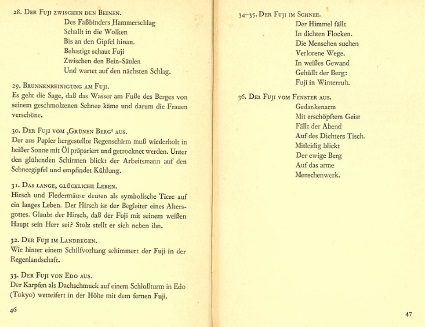
Main author: Hokusaj Katushika, Kitayama wrote comments on Hokusai's woodwork and preface / short treatise to Hokusai's person
Publisher: Insel-Verlag
German
Published by Insel- Verlag 1937, Insel- Verlag 1956
Number of pages: 47
ISBN:
Description: to be added
Der Geist des japanischen Rittertums, Japanische Kulturserie 1
The spirit of Japanese knights.
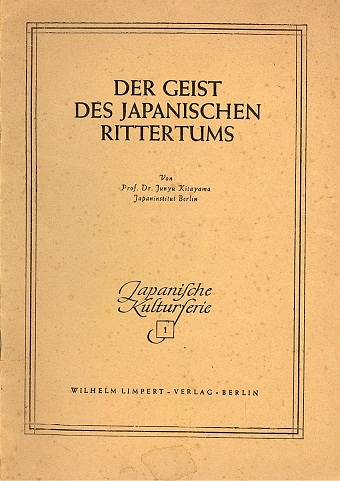
Publisher: Berlin : Limpert, 1943.
German
Issued in 1943
Number of pages: 16
ISBN:
Description: to be added
Der Shintoismus. Die Nationalreligion Japans., Japanische Kulturserie 2
Shintoism, Japan's national religion.
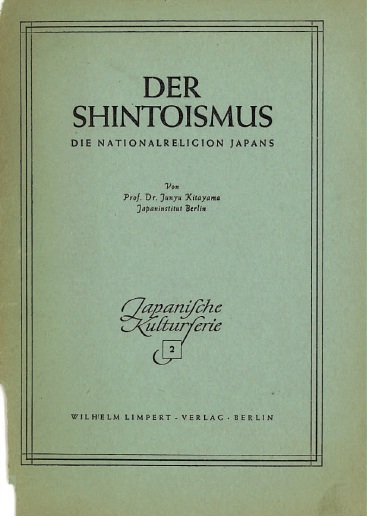
Publisher: Berlin : Limpert, 1943.
German
Issued in 1943
Number of pages: 16
ISBN:
Description: to be added
Heiligung des Staates und Verklärung des Menschen. Buddhismus und Japan., Japanische Kulturserie 3
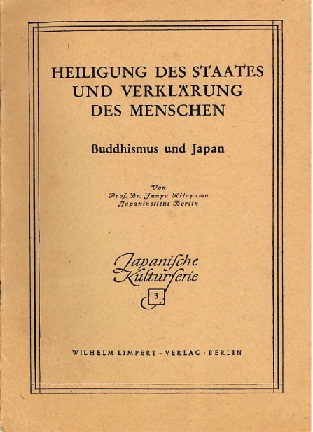
Publisher: Berlin : Limpert, 1943.
German
Issued in 1943
Number of pages: 32
ISBN:
Description:
Contents:
Buddhism in the spiritual life of Japan... 1
Buddhism in India, China and Japan... 4
and, Buddhism in India
b, Buddhism in China
c, Buddhism in Japan
I. Buddhism as a state religion... 6
And, Buddhism and the spiritual foundations of state politics... 6
b, Kingdom of Buddha and Land of Sun Goddess
c, The concept (idea) of emperor and king in Buddhist learning
d, Emperor of Shomu and the land of the sacred lotus
e, First meeting of Buddhist world experience with Japanese aesthetics
f, Theoretical Buddhism and priesthood
II. New state Buddhism in Japan... 14
1, Buddhist symbolism... 14
a, Pure Symbology
b, Pure spiritual mysticism
c, Mysterious symbolism
d, The Symbolic of Eternity
2. Japanese spirituality and mysterious symbolism... 17
A cult as the embodiment of patriotic Buddhism... 19
III. Buddhism as an individual religion... 20
1, The teaching of celestial eternity (Jo-do-kyo)... 22
and, Paradise in the Buddhist sense
b, Faith in Mercy
2, Zen, mysterious symbolism... 26
And, Zen and the spirit of the samurai
b, Zen sects in Japan and mystical psychology
c, Zen and Japanese culture of living
Japanese-Buddhist view of the future... 31
Genjo Koan. Aus dem Zen-Text Shobo genzo von Patriarch Dogen, Quellenstudien zur Religionsgeschichtet 1
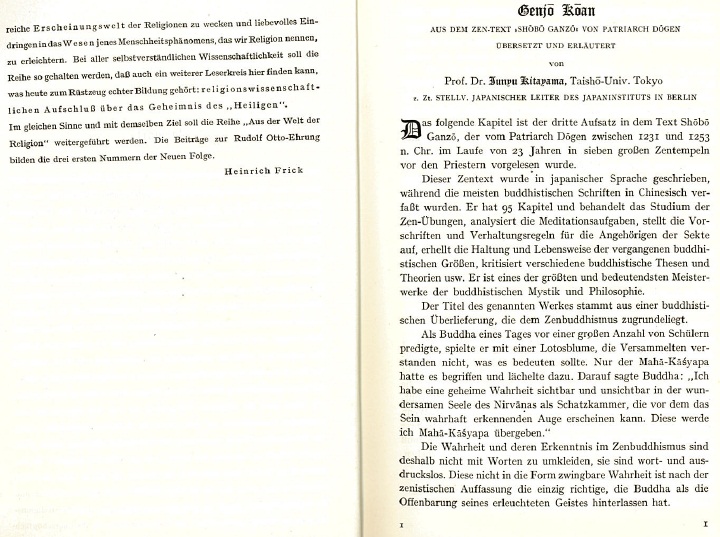
Publisher
German
Issued in 1940
Number of pages: 15
ISBN:
Description: to be added
The judo goal game
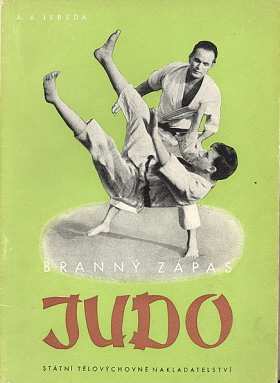
▁Author:Adolf Andrej Lebeda, Ladislav Pikhart, Junyu Kitayama
Publisher: STN
Czech
Issued in 1954
Number of pages: 102
ISBN:
Description:
The booklet contains guidelines for setting up and running the judo section and a year-round methodical plan that actually applies to three years, during which a beginner can become an advanced judge. The most important chapters of the foundation of judo are the fall, deflection and description of the moves of basic fifth degree pupil fitness (fifth kyu). They are accompanied by instructional pictures, and the Czech names include Japanese names, prescribed by the International Union of Judo.
Basics of the judo
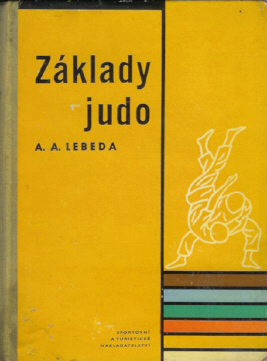
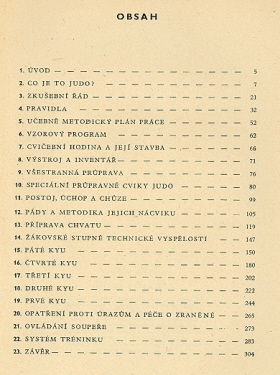
Author: Lebeda A. Adolf, Technical participation: J.Kitayama 5.dan, L. Pikhart 3.dan, V. Lorenz 3.dan
Publisher: Sportovní a turistické nakladatelství
Czech
Issued in 1960
Number of pages:
ISBN:
Description:
File guide with history and theory of judo, rules and test rules, methodology of training, model training plans and four-cycle hours. A description of the individual moves and training instructions is organised systematically according to the classification degrees.
Self-defense Kodokan goshin jutsu
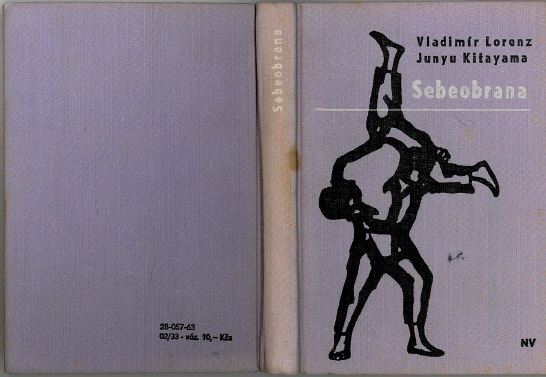
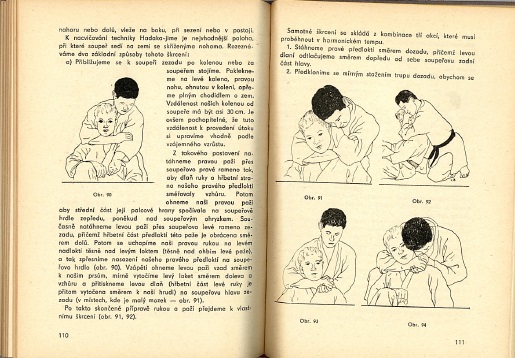
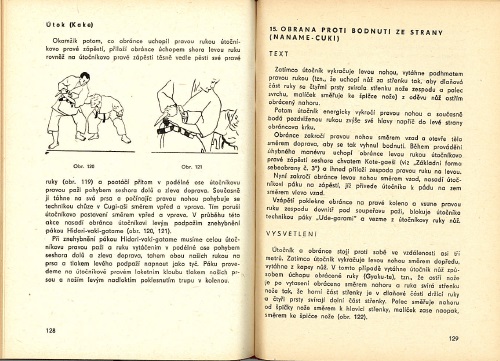
Author: Doctor Junyu Kitayama, Vladimir Lorenz
Publisher: Naše vojsko Praha
Czech
Issued in 1963
Number of pages: 171
ISBN:
Description: Text content drawn from pages www.kodokanjudo.cz , otherwise it's part of the book
Foreword by the authors of the book
The growing interest of members of the armed forces and the general public in self-defence has recently given impetus to the processing of several books on this subject. These are works of a larger or smaller scale, the character of which is either informative or specific, intended for special purposes. The book that we present to you is somewhat different from all the previous publications of this kind with the processing, layout and set-up. Its main task is to serve as a self-defense textbook for those interested in it.
As a textbook, it is intended to provide both theoretical and practical guidance on teaching basic self-defence techniques. To fulfil this task, we have used the results of the latest research by world experts who, based on years of practical and theoretical studies, found the self-defence techniques that we publish as a necessary basis for anyone who wants to control self-defense safely.
We consider it our duty to alert readers who are less informed about self-defence than to regard the techniques described as low-level due to the attacks conducted. The rapid, accurate and consistent implementation of all these self-defense techniques is a sufficient response to every true attacker. It is therefore important to approach practical training only after a thorough study of the first (theoretical) part of the book.
Only the true knowledge of self-defence and mastery can be achieved by diligence, discipline and intent to follow these guidelines. Hurry and hasty only make it impossible to achieve the desired goal. It is necessary to follow the didactic principle constantly: from simple to more complex, from recognized to unknown. We would like this publication to bring only the benefit and success of those who will study it and practice it accordingly.
We believe that he will be a reliable and effective helper especially to members of our army, to members of the Ministry of the Interior and People's militia who need self-defence knowledge in order to protect the sovereignty and integrity of our country, or to defend the results of the work of socialist society. To those who begin, this textbook is to be a good friend and advisor.
We want to bring new knowledge and call on them to try to succeed again, to all others who have ever dealt with self-defense and have not found a satisfactory response in the matter of self-defence or otherwise have not achieved the expected results in some practices. To conclude, we are convinced that all of you who will try to get to know and learn honestly will be a good guide to this book and your efforts will certainly be crowned by success.
Book contents:
Contents
Foreword
Kodokan University's new self-defense technique
Theoretical considerations - The principle of Juda as the basis for self-defense
Practical self-defence technique
Defence against grips with both hands
Defending the grip of the left collar
Defence against the grip of the right collar
Defence against grip behind arm and elbow
Rear grip protection
Rear strangulation defense
Defense against attack by hug from behind
Defense against transverse blow
Defense against hitting the chin
Defending left fist to face
Anti-kick defense to the abdomen
Anti-kick defense from the side
Defense against attempted stabbing
Defense against direct stabbing
Stabbing defense from side
Against the staff raised by a swing
Against hitting sticks
Anti-stabbing by a rifle with a stinger or stick held with both hands
Against frontal assault by inserting a gun
Anti-assault of the gun held by a lateral attachment
Against putting a gun in the back
Warm-up
Other books will follow...
Original wording of this section · 2018
Zřejmě za hlavní dílo Kitajamy Džunjúa lze považovat dílo Higashi-to-nishi - eien-no-michi: bukkyō-tetsugaku ; hikakutetsugaku-ronshū , které však vyšlo až v roce 1985 - 23 let po Kitajamově smrti. Z děl vyšlých za jeho života lze za podstatné zřejmě považovat díla West - östliche Begegnung: Japans Kultur und Tradition a Heroisches ethos. Další menší a podstatně kratší díla Kitajama publikoval v edici Japanische Kulturserie. Rovněž byl autorem velkého množství článků.
Většinu jeho knih lze dosud koupit v antikvariátech v Německu, či jejich webových prodejnách v cenách do 20 Eur.
Higaši to niši eien no mici: Bukkjó tecugaku, hikaku tecugaku ronšú
東と西 永遠の道 仏教哲学・比較哲学論集
Cesta Východu a Západu - Von all dem erzählt dieser Film, den Gerhard Niederstraß und Marion Halvoraen unter Professor Kytayamas Hilfe sorgsam betreuten und der im Herzen der Freunde ein dankbares Echo fand. studie buddhistické filozofie/srovnávací filozofie (může se jednat o nepřesný překlad)
Spoluautor - 峰島旭雄 vedoucí překladu do japonštiny
Vydavatelství 北樹出版 Kitaki shuppan
japonsky
Vydáno v březnu 1985
Počet stran
ISBN 978-4-89384-450-7
Cena 6300 jenů
Popis: Tuto publikaci nemám k dispozici, ani její recenzi - jakmile bude možné, bude doplněno
West - östliche Begegnung: Japans Kultur und Tradition
Setkání Východu a Západu: japonská kultura a tradice
Vydavatelství W. de Gruyter, Berlin
německy
Vydáno 1941/1.vydání 1941/2.vydání, 1942/3.vydání, 1954/ 4.vydání
Počet stran: 252
ISBN: 978-3-11-141291-7 (1942), 978-3-11-084424-5 (1954)
Popis:
Obsah:
Západní a východní .... 1
Duchovní základy východoasijské kultury .... 11
Čínská a japonská duchovnost .... 29
Japonská duchovnost a tradice .... 51
Dějiny a kultura Japonska .... 63
Posouzení charakteru japonské kulturního díla .... 91
"Cesta" (Dó) jako tradice v japonském kulturním díle .... 117
Cesta básnictví (Hai-ku-do) .... 133
Vesmír jako předmět malby .... 155
Německý romantismus a východoasijská poezie .... 171
Buddha, pravda a svět .... 195
Náboženský svět a japonská zbožnost .... 209
Chronologie .... 251
Úryvek z této knihy:
Der Weg des Tees (Chia-do)
Der "Weg des Tees" ist einer der letzten Wege für jeden Geistigen des japanischen Volkes, er bedeutet auch das Wirklichkeit gewordene Symbol der Tiefe der japanischen Geistigkeit. Im Tee-Weg erscheint die Geistesgeschichte Ostasiens seit viertausend Jahren frei von Abstraktion, fern von Logossystem, wie ein lebendiges Kunstwerk vollendet und sublimiert.
Von der unnahbaren Würde des Tee-Weges verblasst jeder heilige Schein von Opfer- und Kultglanz, vor der Tiefe des Tee-Weg-Geistes schwindet jedes System der Philosophie, vor der Stille der Tee-Weg-Seele verstummt jede Dichtung und Musik.
Alles scheinbar Großartige erscheint im Teeraum wie eine Barockfassade, und jedes sogenannte Grandiose in Wort und Ton klingt neben der Tee-Handlung wie Marktgeschrei.
Das Licht des Tee-Weges ist die Mittagssonne, die an der höchsten Stelle lautlos leuchtet und dabei den ganzen Kosmos in Atem hält. Die Ruhe der Tee-Praxis der dunkelsten Mitternacht, in der sich kein Unterschied zwischen Lebenden und Toten sichtbar macht. Doch in der Ausführung des Tee-Weges wird beides gegenwärtig. Im Jenseits von Leben und Tod, hinter Geschichte und Schicksal, auf dem Boden alles Vergehenden fließt der Lebensstrom des Tee-Kundigen.
Der Tee-Weg kündigt vor den Augen des Lebensgierigen offenbar den Tod an. Er steht zu hoch über dem Hasten des Alltags. Er verharrt zu still vor dem sogenannten schaffenden Geist.
Kein sichtbarer Erfolg mit Fleiß und Geist, kein dauerhaftes Werk für Jetzt und Ewigkeit wird vollbracht. Die Tee-Handlung beginnt ohne Aufklang an Begeisterung oder Proklamation, sie vollzieht sich monoton und farblos und endet mit einem Abschiedsgruß der Geladenen, die das Wegräumen aller Gegenstände durch den Gastgeber mit ansehen. Nichts bleibt im Raum - nur die Leere des Teeraumes -, genau wie der Anfang vollzieht sich das Ende.
Es gibt keinen Höhepunkt mit ekstatischer Steigerung, keine Zu- und Aufdringlichkeit durch die Szenerie. Wie ein Streif weißer Wolken am klaren Himmel dahinzieht, so steigt der Dampf aus dem Teekessel im Raum empor.
Schweigsam sitzen die Geladenen wie die Götter beim Mahl. Der gerade aufgebrühte Tee verbreitet einen Duft, der den Raum fällt und durch die Sinne in die Seele eindringt.
Das Feldwasser des südlichen Flusses liegt da - noch blauer als der Himmel,
über ihm schwebt eine weiße Möwe...
mit ihrem Flug schwingt mein Herz
zeit- und endlos.
Der Geist des Tee-Weges hat kein äußerlich erreichbares Ziel. Sein System und dessen Ausübung geben nur Anweisungen. Das Erlernen der Tee-Handlung, das keine bestimmte Lehrzeit dauert und doch Jahre oder gar das ganze Leben erfordert, um in das letzte Gemach des Gelöbnisses einzudringen, ist nur ein Weg, der zu keinem Ende führt.
Auch kennt der Tee-Weg keine Verwendbarkeit für das praktische Leben, er ist unabhängig von Gewinn und Vorteil.
Das, was ihn von allen anderen Künsten oder ethischen Handlungen unterscheidet, ist, dass der Mensch im Teekult sich selbst zum Gegenstand hat. Der Mensch als körperliche und geistige Einheit wird als Ganzes auf Grund seiner natürlichen Eigenschaften und Qualitäten zum Kunstwerk. Der Mensch arbeitet als Künstler an sich selbst. Die Sublimierung aller Sinne, die Steigerung der geistigen Tiefenkraft, die Vertiefung der seelischen Quelle vollzieht sich in ihm gleichsam ruckhaft.
Jedoch trotz aller Nichtalltäglichkeit im Sinne des Tuns und Treibens will der Tee-Weg keine Abkehr von Leben und Wirklichkeit. Trotz seiner fast mystisch erscheinenden Vollzugsweise ist er keiner gewollten Versenkung unterstellt.
Der Tee-Weg verachtet die Welt nicht, wie das Mönchtum im christlichen oder buddhistischen Sinne. Er kennt auch nicht die Ekstase, weder in ästhetischer noch asketischer Form. Der Tee-Weg ist existenziell gedacht eine schlichte Arbeit der Selbstentdeckung des Menschen. Aber er sucht die Heimat des Menschen nicht in einer glaubhaften Transzendenz. Weder Gott noch das All kommt ihn zu Hilfe, um - seiner selbst gewiss - seinen Ursprung zu finden.
Mühsam, doch ehrfurchtsvoll geht der Teekundige den Weg und kontrolliert sich selbst von Schritt zu Schritt. Das Doppelspiel einer Person geht dahin, bis das Spiegelbild verschwindet und eine Einheit mit sich selbst hergestellt wird. Die zwei Seelen im Sinne Goethes, deren eine auf die Gestirne blickt, deren andere sich an die Welt klammert, werden miteinander vereint. Kein Sinnengeräusch mehr und keine Höhensucht.
Der angebliche Widerspruch zwischen Körper und Geist wird in einer Sphäre als harmonische Einheit aufgehoben. Der Körper schämt sich nicht vor dem Geist, der Geist wird nicht durch den Körper gehemmt, weil der Mensch selbst nur ein Gestalt gewordener Geist ist. Trennungen zwischen Idee und Wirklichkeit, Ideal und Gegebenheit sind nur dort ernst und wirksam, wo der Geist sich vom Körper loslöst, dort, wo der Mensch sich als ein Einsamer sinnerfüllter und wesensnäher fühlt.
Aber niemals gab und gibt es einen Geist ohne Körper, und sei es auch nur in religiöser Andacht, im Lesen eines philosophischen oder literarischen Werkes oder im Betrachten eines Bildes. Es gibt ebenso wenig Reingeistiges wie Reinkörperliches. Die extreme Steigerung des Geistes führt den Körper entweder in den Mechanismus, den man Gewohnheit nennt, oder in den Zustand, in dem der Körper wie Weihrauch in der Luft irgendeiner Ideenwelt schwebt.
Beide verliert der Mensch seine Ganzheit und verlässt seine eigentliche Existenz als Einheit von Körper und Geist.
In der Tee-Welt erfolgt eine allmähliche Steigerung des Körper-Geist-Daseins, in der die Sinne als Sinne verfeinert werden und dadurch gerade der Geist seine Freiheit gewinnt, um sich in sich zu vertiefen.
Im Geräusch des kochenden Wassers vernimmt man die tosenden Elemente des Meeres, im Duft des Tees selbst riecht man die junge Kraft der Naturfrische, die sich dann auf der Zunge in den unmittelbaren Geschmack der Pflanzenwelt verwandelt. An den kunstvollen Gegenständen wie Teetasse, Teebüchse und Teetuch, die man in die Hand nimmt, wird das plastische Tastenempfinden geschult.
Im Anblick eines Gemäldes, das allein in einer Nische hängt und als Mittelpunkt in der Raumatmosphäre thront, vertieft man sich in die Welt der Bildsymbolik. Die Architektur des Teeraumes und des Gartens ringsum ist ein ganzes Kunstwerk, doch fließt es in die Landschaft und in die kosmische Natur hinein. Nur als Milieu bildet der Teeraum eine Kunst- und Kultstätte, in der die Menschen in reiner Harmonie von geistiger und Sinnenwelt sitzen.
In dieser reinen (sei) und stillen (jiaku) Atmosphäre sitzen die Geladenen in harmonischem (wa) und respektvollem (kei) Zusammensein.
Göttlich sei die Gesellschaft zu zweit: ein Gast und der Gastgeber; edel sei sie mit zwei Gästen; geschmackvoll sei sie mit drei oder vier Gästen; unterhaltend sei sie mit fünf oder sechs Gästen, und die Gesellschaft mit mehr als sieben oder acht Gästen gelte als Gabe. Stille Kommunikation zwischen zwei sich verstehenden Menschen, die sich wie zwei Götter gegenübersitzen, bedarf keiner Menschensprache, sie verstehen einander und freuen sich ihres Da-Seins.
Der enge Teeraum von knapp zwei Quadratmetern gleicht einem Pantheon der Götter, in dem alle Anwesenden ihren individuellen Glanz in gegenseitiger Achtung verbergen und ruhig, doch heiter sich der Gemeinsamkeit erfreuen. Sie kommen nicht zusammen aus der Sucht nach Einsamkeit, sondern sie sind geladen, um sich eine Stunde über ihre Werke und Aufgaben zu unterhalten.
Keiner entscheidet, niemand rühmt sich, nur das still sich vollziehende Fest der Teehandlung ist der Spiegel für alle Anwesenden, der alles widergibt, was verborgen ist.
Einst lud der Buddhist Vimalak?rti "XX" den klugen Schüler Buddhas Ma?jusr? "XX" mit 32 anderen Bodisattvas ein, um sich über den Zugang zur absoluten Wahrheit zu unterhalten. Vimalak?rti "XX" richtete an jeden die gleiche Frage. Jeder antwortete nach seinen Kenntnissen und sprach von der Überwindung des Dualismus zwischen Endlichkeit und Ewigkeit, Erscheinung und Wesenheit, Gut und Böse, Leid und Glück, Nichtich und Ich usw.
Zuletzt sagte Ma?jusri "XX": "Nach meiner Ansicht tritt man in die Einheit aller Gegensätze, wenn man erkannt hat, dass alles Seiende unaussprechbar, undeutbar, unbezeichenbar, unerkennbar, also frei von allen Diskussionen ist." Danach richtete er sich an Vimalak?rti "XX": "Nun haben wir alle unsere Meinungen mitgeteilt; was meinst du dazu?" Vimalak?rti "XX" antwortete nicht, er blieb schweigend. Daraufhin sagte Ma?jusri "XX": "Wahrscheinlich, zutreffend ist deine Antwort.
Kein Wort, keine Erklärung, das ist der wahre Zugang zur Übergegensätzlichkeit."
Die Schweigsamkeit ist keine Dumpfheit, keine Verlegenheit, sondern die Erkenntnis selbst. Sie bildet das höchste Stadium, in dem alle ostasiatischen Ideale zusammenfließen. Am Anfang war das Wort - aber am Ende ist kein Wort.
Einsam liegt ein Pfad im Dämmerlicht
mitten im Herbstwald.
Niemand geht und bricht
den Frieden des Abends.
(Basho)
Diesem einsamen Pfad gleicht der Weg des Tees. Er verkörpert den Gipfel der Vergünglichkeit; die Glut des Sommers in noch nachwirkender Wärme bewahrend, ahnt er die Kälte des kommenden Winters und des Todes. Das ist die Wirklichkeit des Erdendaseins, die sich weder dem hohen Flug des Geistes noch dem überschwenglichen Gefühl zu entziehen vermag.
Die tiefsinnigen Philosophien mit ihrem Gedankengebäude und die ergreifendsten Werke der Dichtkunst schweigen vor dem unerschütterlichen Ernst der Vergänglichkeit, und die hohen Klänge der Musik und die grandiosen Kunstwerke verklingen und verblassen vor der Strenge und Tiefe des Daseins.
Nicht vor ihr zu fliehen in die Welt des Geistes, über die Wolken der Phantasie, in das Gewebe der Klänge und Farben der Sinnensphäre, sondern den Gegensatz als Gegensatz unbeirrt auf sich zu nehmen, die Ureinheit mit der Körper- und Materienwelt als Ganzes zu erhalten und dadurch die Wahrheit mit der Wirklichkeit in Einklang zu setzen und zu erleben, gilt dem Tee-Weg als das "Verhalten zu sich" selbst zu schulen.
Aber nicht einseitig den Geist oder die Sinne allein zu steigern, sondern alle menschlichen Eigenschaften, wie Denken, Gefühl und Wille, für den Rhythmus der Vergänglichkeit zu öffnen, um in ihm die Stimme der Ewigkeit zu belauschen und sich selbst dazu in Einklang zu bringen, ist das Ziel der Schulung des Teeweges.
Die Stille allein
In die Felsen hinein
dringen die Stimmen
der summenden Zikaden.?
In der glühenden Sonne des Sommernachmittags herrscht die Stille, alle Vögel und Tiere schweigen, unbeweglich liegen die Felsen seit Jahrtausenden. Wie schwerer Regen fallen die Stimmen der Zikaden und umspülen die harten Felsen.
Eine solche Stille, die in sich die Woge des Flusses alles Lebendigen birgt, ist das schließlich erlangte Verhalten des Teekundigen zu sich selbst und der Welt. Denn noch spricht ihn die Welt und das Leben so ungemein an, weil das Edle vom Gemeinen, der Wohlklang vom Geräusch im Spiegel seiner selbst klar und unvermischbar unterschieden wird.
In Ruhe die Beweglichkeit und in Bewegung die Ruhe zu erleben, das ist das Tee-Verhalten, in welchem die höchste Existenzweise alles Seienden sich offenbart.
Im abendlichen Mondschein schimmert das tosende Meer
aus der Ferne
zwischen den Bäumen
im Garten.
Aus dem Fenster des Teeraumes erblickt der Teemeister bei einer duftenden Tasse Tee das fernliegende Meer zwischen den Bäumen des Gartens an einem Mondscheinabend. Mond, Meer und Mensch bilden ein unsagbares Ganzes, die Natur und der Geist bilden die Kompositionen eines großen Gemäldes. Dabei entsteht nicht der Zweifel an der Herkunft und Zukunft, an dem Widerspruch, nur eine Welt - nicht weniger und nicht mehr.
In einem solchen Augenblick atmet Gott unvermittelbar im Menschen, und hier erreicht das kosmische Erlebnis des Teekults seinen Höhepunkt.
Heroisches ethos. Das Heldische in Japan.
Hrdinský étos (Mravní charakter udatnosti). Statečnost(udatnost) v Japonsku.
Vydavatelství W. de Gruyter, Berlin
německy , italsky
Vydáno 1944, Regin-Verlag 2006 , Sanno-kai 2002 (italská verze pod názvem: Lo stile eroico. L'eroismo in Giappone)
Počet stran: 161
ISBN: 3111255689, 9783111255682, 978-3-11-163824-9 (1944), 3937129251
Popis:
OBSAH:
Úvod .................................................. 1
Udatný duch, život a smrt. Statečnost v japonské mytologii. Statečnost v japonské historii.
Šintoismus a hrdinský étos (mravní charakter) ......... 7
Náboženství a statečnost. Vývoj udatného ducha v Japonsku. Statečnost a šintoismus. Božství a udatnost. "Božské vedení války a vedení státu." Věrnost jako rozhodný rozkaz. Sebepřipomínání. Věrnost k pánovi. Loajalita k Tennó.
Buddhismus a udatný duch .............................. 61
Jednota mysli se zkušenostmi. Buddhismus a japonský stát. Buddhistické uvědomování přítomnosti a prožitek udatnosti. Kněz jako vlastenec a statečný člověk. Udatné já - prožitek. Ideály vzorů udatnosti v Japonsku.
Meč jako symbol udatného ducha ....................... 87
Meč. Hodnota japonského meče. Boj mečem jako duchovní výchova. Buddhistické osvobození a mistrovství ve zvládnutí šermu.
Mravní charakter udatnosti v míru a v krizi japonského státu ........ 121
Bojový duch v míru. Vznik udatné osobnosti. Škola vlastenectví. Škola statečných lidí
Recenze ............................................... 151
Epilog ................................................ 157
Několik citací přeložené do slovenštiny z Kitajamovi knihy "Heroisches ethos. Das Heldische in Japan."
Zdroj: hodnoty_eticke.doc www.jozefmiko.cz
------------------------------
Junyu Kitayama H R D I N S K Ý E T H O S
ÉTOS gr. - mravný základ, mravy - mravný charakter
Etológia - náuka o mravoch
BOJOVÝ DUCH V MIERI.
Je nutné pestovať DUCHOVNÉ VZDELANIE a OVLÁDANIE ZBRANÍ. Je starým obyčajom postaviť na ľavú stranu DUCHOVNÉ VZDELANIE a na pravú stranu ZAOBCHÁDZANIE SO ZBRAŇOU. Oboje musí byť osvojované ruka v ruke. Avšak ani v mieri nemožno prehliadať neporiadky. Preto sa vám horlivo doporučuje zaoberať sa VÝCVIKOM V ZBRANI. Kitayama, s. 69
Cieľ : utváranie hrdinskej osobnosti. s. 72
Vedecké štúdium, ktoré tu máme na mysli, má za úlohu vysvetľovať MRAVNÉ CESTY ČLOVEKA. Túto vedu bude možné označiť za etickú antropológiu. Jej najvyšším cieľom je otvoriť človeku cesty k tomu, aby sa POZDVIHOL NAD KAŽDODENNÉ BYTIE (bonjin - priemerný človek, vojin - človek všedného dňa) DO SFÉRY VEĽKEJ OSOBNOSTI. s. 73
Toto možno získať iba VYZRELÝM ŠKOLENÍM. To nemožno získať ani úvahami, ani poznať načúvaním. Možno toho nadobudnúť iba ZVYŠOVANÍM ÚSPECHOV SEBAVÝCHOVY. Majster ukazuje žiakom iba základnú líniu, o ktorej sa NESMIE POVRCHNE DISKUTOVAŤ. Práve preto je SKUTOČNÉ MAJSTROVSTVO vo svete vzácne. s. 73
Mnohí učenci sa učia veci minulosti NASPAMÄŤ a chcú sa tým blysnúť pred svetom. Alebo si pohrávajú s poéziou všetkého druhu, alebo so spismi, ktoré považujú za najpotrebnejšie. To potom nazývajú štúdiom. Toto oboje, NIE JE ŠTÚDIOM VZNEŠENÉHO ČLOVEKA. s. 74
Toto všetko NIE JE ZÁMEROM (cieľom) VZNEŠENÉHO (vládnúceho) ČLOVEKA. Čo to vlastne znamená vedecké štúdium. Znamená to POVAŽOVAŤ CESTU MINULÝCH SVETCOV AKO ZÁKLAD, V STOPÁCH MÚDRYCH A VZNEŠENÝCH NACHÁDZAŤ POMOCNÉ PRAMENE, poznávať premeny dejín a zákony človeka. KONEČNE rozšírením vedenia, rozširovať svoje vlastné schopnosti a brúsiť svojho ducha. s. 74
Škola patriotizmu.
Je potrebné NEODDELITEĽNE SPÁJAŤ DUCHOVNÉ VZDELÁVANIE A BOJOVÝ VÝCVIK A ZJEDNOCOVAŤ VEDECKÉ ŠTÚDIUM SO SVETSKOU PRAXOU. Kodokan s. 74
KNIHY NÁS UČIA PRAVDÁM, MEČE A KOPIE CVIČIA NAŠU ODVAHU SRDCA. VYZRETÁ ODVAHA SRDCA MÔŽE ČELIŤ KRÍZAM A ZVLÁDAŤ NEBLAHÉ UDALOSTI. Vysvetlenie právd, môže človeka samotného udržať v ctnosti a tým takto vládnuť druhým. Chyba ducha je však slabosťou, ktorá by mohla byť posilnená zbraňou. Chyba zbrane je neznalosť, ktorá by mohla byť odstránená duchom. Kitayama, s. 74
ŠKOLA HRDINSKÉHO ČLOVEKA. Učenie o rytierstve spočíva na etických princípoch : stáť za svojím pánom, za rodičmi, UDRŽIAVANÍ LÁSKY K ĽUĎOM A ZMYSLU PRE SPRAVODLIVOSŤ, ŠKOLENIE JASNÉHO A VEĽKORYSÉHO SRDCA A ODVAHY. Kitayama, s. 77
ZÁKLADY UČENIA SVETCOV. ŽIVOT VZNEŠENÉHO ČLOVEKA SPOČÍVA V SPRÁVNOM POUŽÍVANÍ DNEŠNÉHO DŇA. Dokonca i jeden deň je dosť dlhý. Skladá sa z jednej hodiny. Taktiež jedna hodina je ešte dosť dlhá. Skladá sa z jednej minúty. Dokonca jedna minúta je ešte dosť dlhá. Skladá sa z jednej sekundy. Inými slovami : Vek o tisícoch a desaťtisícoch rokov začína jednou sekundou a končí jedným dňom. KTO ZMEŠKAL JEDNU SEKUNDU, PREMEŠKAL CELÝ DEŇ A TAK MÔŽE NAKONIEC P R E M E Š K A Ť CELÝ Ž I V O T. Kitayama, s. 77
Láska k ľuďom, je základom všetkej ctnosti a spravodlivosť je príčinou všetkých činov. CESTA, KTOROU SA UBERÁ VZNEŠENÝ ČLOVEK, JE ODÔVODNENÁ LÁSKOU K ĽUĎOM A SPRAVODLIVOSŤOU. Avšak, môžu byť USKUTOČNENÉ LEN VTEDY, KEĎ JE ŠKOLENÁ CTNOSŤ VO VNÚTRI.
KEĎ NEŠKOLÍME CTNOSŤ, NIE SME DOSTATOČNE SILNÍ, TAKŽE PRI STRETNUTÍ S HROZIACIMI NEBEZPEČENSTVAMI, ZMENÍME SVOJ POSTOJ a tvárou v tvár smrti, sa VZDÁME SVOJHO CHARAKTERU. Kitayama, s. 78
K naplneniu takýchto ideálov patrí zvláštne školenie charakteru - ujasnenie duševného hnutia. DUŠEVNÉ HNUTIA MAJÚ BYŤ POVZNÁŠANÉ VYTYČOVANÍM VYSOKÝCH CIEĽOV, JEDNOZNAČNOU SILOU ÚSUDKU PRE DÔLEŽITOSŤ POVINNOSTI, UDRŽIAVANÍ ČISTÉHO SVEDOMIA A ÚPRIMNOSŤOU. Takýto postoj NESMIE BYŤ STAVANÝ NA OBDIV, ale CTNOSŤ JE NUTNÉ NOSIŤ V SEBE SAMOM, ako skryté svetlo a NECHCIEŤ UKAZOVAŤ SVOJE SCHOPNOSTI NAVONOK.
Prostoreký a krátkozraký človek sa sám vyvyšuje, vypína sa pred ostatnými ľuďmi a lichotí svetu, pretože jeho povaha je úzkoprsá. Soko, in Kitayama s. 78
Keď vznešený človek má vo vnútri teplo, je schopný DOBROSRDEČNE A S LÁSKOU POMÁHAŤ ĽUĎOM A ZACHRAŇOVAŤ VECI. Keď vidí biedu sveta, pociťuje, že sám tým trpí. Soko, in Kitayama s. 78
IBA PRI TOMTO SEBAVZDELÁVANÍ A SEBAŠKOLENÍ PODĽA NAJPRÍSNEJŠÍCH POŽIADAVIEK, DOSIAHNE RYTIER HRDINSKÉHO CHARAKTERU, KTORÝ NEMÔŽE BYŤ POKAZENÝ ANI BOHATSTVOM, ANI POSTAVENÍM, ANI PONÍŽENÝ CHUDOBOU A NÚDZOU, ANI SA NEMÔŽE SKLONIŤ PRED MOCOU A NÁSILÍM. Meng - tse, in. Kitayama s. 78
V Sokových slovách spočíva onen VYSOKÝ RYS ĽUDSKOSTI, ktorý je POVZNESENÝ NAD VŠETKY JEDNOTLIVÉ PRINCÍPY UČENIA O MORÁLKE A NAD KAŽDÝ NESPRÁVNY VÝKLAD MRAVNÉHO POŇATIA. Miesto školenia je všade tam, kde sa človek nachádza. Každá doba a každá sekunda poskytuje príležitosť osvedčiť sa. Kitayama s. 79
Je ľahké ísť na smrť v rozhorčení, avšak nie je ľahké ísť na smrť kľudne. Kitayama s. 79
Existujú ľudia, ktorí nečítajú a ľudia, ktorí ČÍTAJÚ, AVŠAK PREČÍTANÉ NEPREMIEŇAJÚ V ČIN. Kitayama s. 81
7 PRAVIDIEL VZNEŠENÉHO PORIADKU :
3. PRE USKUTOČŇOVANIE UŠĽACHTILEJ CESTY, neexistuje nič viac rozhodujúcejšieho, než spravodlivosť. SPRAVODLIVOSŤ SA STATOČNOU VÔĽOU MENÍ V ČIN. STATOČNÁ VÔĽA je posilňovná SPRAVODLIVOSťOU.
4. Múdrosť spočíva na priamej pravdivosti, ktorá vylučuje lož. Je najviac zahanbujúca podlosť a preháňanie slovami.
5. KEĎ SA ČLOVEK NEDOKÁŽE DÍVAŤ NA SVETCOV A MUDRCOV AKO NA UČITAĽOV, NIE JE SCHOPNÝ VÝVOJA ! Šľachticovi je uložená povinnosť ČÍTAŤ KNIHY a VÁŽIŤ SI PRIATEĽOV.
6. Učitelia a priatelia nám pomáhajú stať sa cnostnými a zdokonaľovať svoje schopnosti. Preto je potrebné byť opatrný pri voľbe svojich priateľov.
7. Trpezlivosť s tvrdosťou prevedenie s jedinečným rozhodnutím spočívajú na neoblomnom postoji.
Týchto 7 PRAVIDIEL VZNEŠENÉHO ČLOVEKA, možno zhrnúť do troch viet :
1. ROZHODNÚŤ SA PRE CESTU ŠĽACHETNÉHO ČLOVEKA, JE ZÁKLADOM VŠETKÉHO OSTATNÉHO.
2. STAROSTLIVO SI VOLIŤ PRIATEĽOV A PODIEĽAŤ SA NA LÁSKE K ĽUĎOM A NA SPRAVODLIVOSTI.
3. ZAOBERAŤ SA KNIHAMI A PREMÝŠĽAŤ O UČENÍ SVETCOV A MUDRCOV !
Šoinova škola, in. Kitayama, s. 81
"MUŽA SO VZNEŠENÝMI ÚMYSLAMI (ŠIŠI) BUDEME NAZÝVAŤ TOHO, KTO SA ŠKOLÍ V CESTE BOJA, KTO DOBRODENIE ŠTÁTU ODPLÁCA VĎAKOU, NEBUDE SA HANBIŤ ZA ZLÚ STRAVU, ANI ZA ZLÝ ODEV. Šoin,in. : Kitayama s. 82
Hlavně musí klásť hlavný dôraz na osobné uplatňovanie morálky a duševne sa tešiť z lásky k ľuďom a zo spravodlivosti (jin-gi). TÝM STRAVA, ODEV A INÉ VONKAJŠIE VECI CELKOM USTÚPIA DO POZADIA; NEMÁ ČAS NA TO, ABY SA ZAOBERAL TAKÝMI VECAMI. Šoin,in. : Kitayama s. 82
Musí mať vnútornú istotu a hrdú stálosť, NEMUSÍ ZÁVIDIEŤ DRAHÝ ODEV A DRAHÚ POTRAVU INÝCH. Šoin,in. : Kitayama s. 82
NETRPÍ ŽIADNYMI MRZUTOSŤAMI VŠEDNÉHO DŇA A OBSTOJÍ PRI VEĽKÝCH ÚLOHÁCH. Kitayama s. 82
Keď človek nemá VEĽKORYSÚ MYSEĽ, ako potom môžu byť jeho schopnosti a jeho múdrosť použiteľné! To nemá nič spoločné s vášňou a unáhlenosťou, prýšti to z najvlastnejšej duše človeka celkom pomaly. NEBOJÍ SA ANI VEĽKÉHO NEPRIATEĽA, ANI VEĽKEJ SILY a neoceňuje málo, ani malého nepriateľa ani slabú vôľu. Je to ona MYSEĽ, KTORÁ SA NEZĽAKNE PRED NAJŤAŽŠÍMI PREKÁŽKAMI A RADA SA VZDÁ MALÉHO POHODLIA A MALÝCH PÔŽITKOV. S ŇOU SA DRŽÍME NEOTRASITEĽNE ROVNO A KRÁČAME S PLNOU SILOU, KEĎ JE TO POTREBNÉ. Kitayama s. 83
POVOLANIE RYTIERA SPOČÍVA V USKUTOČŇOVANÍ LÁSKY K ĽUĎOM A SPRAVODLIVOSTI, DUŠEVNÉHO VZDELÁVANIA A BOJOVÉHO VÝCVIKU. Všetko je zahrnuté V OBOCH MRAVNÝCH PRINCÍPOCH : LÁSKA K ĽUĎOM (jin) a SPRAVODLIVOSŤ (gi). Láska k ľuďom a spravodlivosť ZODPVEDAJÚ DUCHOVNÉMU VZDELANIU A SPRAVODLIVOSŤ AKO KVET BOJOVÉHO VÝCVIKU. Kitayama s. 85
"Z tohoto dôvodu NIKDY NESMIEME, ANI V SPÁNKU ANI V BDENÍ, DOKONCA ANI PRI JEDLE, OPUSTIŤ CESTU ĽUDSKOSTI A SPRAVODLIVOSTI." Kitayama s. 85
Kto neuskutočňuje lásku k ľuďom, nemôže byť považovaný za duchovne vzdelaného, aj keď miluje literárne vzdelanie a číta čo ako veľa kníh. Kto ovláda bojové umenie tak majstrovsky, že prevyšuje tisíce, avšak bezuzdne a násilne sa oddáva lúpeži a vraždeniu, nemôže byť považovaný za znalca bojového umenia. ZNALEC BOJOVÉHO UMENIA MUSÍ UDRŽIAVAŤ SVOJE UMENIE SKRYTÉ VO SVOJOM VNÚTRI A NESMIE HO NOSIŤ NAVONOK NA OBDIV. Kitayama s. 85
Všetky ctnosti japonského rytiera sú : LÁSKA K ĽUĎOM (jin) a SPRAVODLIVOSŤ (gi), DUCHOVNÉ VZDELANIE A BOJOVÁ ZDATNOSŤ (bun-bu), ROZUM (chi) a STATOČNOSŤ (yu). Kitayama s. 85
BOJOVÝ VÝCVIK JE ZÁROVEŇ NÁBOŽENSKÝM ŠKOLENÍM. Zbraň je skrytou a skrývanou mocou, jej existencia samotná je tiež rozhodujúca a MUSÍ UMOŽŇOVAŤ AJ BEZ BOJA DOSIAHNUŤ VÍŤAZSTVO. TO POTOM ZNAMENÁ NAJSILNEJŠIU A NAJLEPŠIU ZBRAŇ. Kitayama s. 85
Duch musí byť naplnený zmyslom pre lásku k ľuďom a spravodlivosť; preto je vzdelanie ducha školením osobnosti, ktorá s rozumom a statočnosťou disponuje najväčšou silou k činu. Kitayama s. 85
Nemožné učiniť možným, neobvyklé premeniť v obvyklé, neľudské usporiadať ľudsky, to sú CESTY japonského HRDINSKÉHO DUCHA. PRETO BOLA CESTA K TOMUTO CIEĽU ROZMANITÁ A ŤAŽKÁ, PRETO BOLO ŠKOLENIE BOJOVÉHO DUCHA NEKONEČNE TVRDÉ A PRETO BOLI ETICKÉ POŽIADAVKY NEZMERATEĽNE VEĽKÉ. A hrdinské v Japonsku dosiahlo najvyššieho mysliteľného stupňa preto, že si vždy stavalo ideál zmieriť ducha s mečom, PREŽÍVAŤ NÁBOŽENSKÉ V BOJOVOM a TO OSOBNÉ POZDVIHNÚŤ K MRAVNEJ VEĽKOSTI.
Tento hrdinský idealizmus je zdrojom sily japonského národného ethosu, ktorý disponuje nevyčerpateľnými možnosťami k mysleniu a jednaniu a osvedčil sa ako za všedného dňa, tak tiež v najvyššom okamihu štátneho a osobného života. Kitayama s. 87
Autor si dovoľuje toto malé dielo, ktorého mnohé stránky vznikli za oných nocí s prianím, aby všetky v tejto vojne prinesené obete neboli márne, a na oltári vyššieho radu a ĽUDSTVU UKAZOVAŤ CESTU DO BUDÚCNOSTI. Kitayama s. 87
Vie, že nad jeho hlavou je hviezdnaté nebo božskej vznešenosti. VŠETKO ČO SA NA SVETE DEJE, ZAČÍNA A KONČÍ U JEDNOTLIVCA. Kitayama s. 87
A duša, ktorá pre ducha vždy znamenala tvorivý zdroj, sa medzi kolesami večného kolobehu, otáčajúcimi sa medzi príčinnosťou všedného dňa a sebectvom vystupňovaným do nekonečna, ťažko poranila. Kitayama s. 87
V STUDENOM SVETLE "KRITICKÉHO ROZUMU" BEZ ROZUMU "MORÁLNEHO", POVEDANÉ V KVANTOVOM ZMYSLE, SA POPÁSAL VONKAJŠÍ ČLOVEK, OBKLOPENÝ KOVOVÝM LESKOM CIVILZÁCIE, A VEDĽA TOHO ZANIKOL VNÚTORNÝ ČLOVEK S KVETNATÝM ZÁKLADOM SVOJEJ MRAVNOSTI. Kitayama s. 87
Duch bez páthosu, čin bez éthosu - tento klam nášho storočia... Kitayama s. 87
Pátos (gr.) – oduševnenie - vzletný spôsob hovoreného alebo písomného prejavu
Pretože NIELEN DUCH A IDEÁL, ALE CELÝ ČLOVEK JE V HRE. Preto STOJÍ PRED VONKAJŠÍM OBNOVENÍM SVETA, VNÚTORNÝ PORIADOK ČLOVEKA. BEZ RADIKÁLNEHO OBRATU - POKROKU - ZVONKU DOVNÚTRA, BEZ UPEVŇOVANIA DUŠEVNÉHO ZÁKLADU, ktorý môže PREBIEHAŤ IBA V JEDNOTLIVOM ČLOVEKU, sa sústava storočia zase zrúti pre svoju čiste duchovnú a materiálnu prevahu, s pohromou väčšou než doposiaľ. Kitayama s. 88
To, čo nám pôsobí obtiaže, je veľkosť a sila duševných síl, ktoré sú schopné vždy a všade udržať a v čin prermeniť DUŠEVNÚ DÔSTOJNOSŤ, v ktorej sa zračí substancia ľudského bytia vôbec.
To však znamená DÔKLADNÚ SEBAPREMENU ČLOVEKA : ŽIVOTNEJ SILY USTRNUTEJ SEBECTVOM A UDUSENEJ NENÁVISŤOU A ZÁVISŤOU, PREMENIŤ V MRAVNÉ ŽIVOTNÉ SILY. TO VŠAK MÔŽE UKUTOČNIŤ IBA ČLOVEK NOVÉHO TYPU S HRDINSKÝM POSTOJOM. Kitayama, s. 88
Ak chceme vo svete s úspechom uskutočniť svoje zámery, sledujme spolu s národom MRAVNÚ CESTU. Keď však ZOSTANEME NEPOCHOPENÍ, SLEDUJME JU SAMI ! Kitayama, s. 88
NAOZAJ VEĽKÝM MUŽOM NAZÝVAME TOHO, KOHO NEMÔŽE POKAZIŤ ANI BOHATSTVO, ANI VONKAJŠIA HODNOSŤ, ANI HO NEMÔŽE ZVIESŤ CHUDOBA ANI NÚDZA, KOHO NEMÔŽE SKLONIŤ ANI MOC, ANI NÁSILIE !
Kitayama, s. 88
-------------------------
Epilog doslov z knihy Heroishes Ethos - německy / Kitayamas afterword from book Heroishes Ethos
Metaphysik des Buddhismus : Versuch einer philosophischen Interpretation der Lehre Vasubandhus und seiner Schule.
edice Veroffentlichungen des orientalischen Seminars der Universitat Tubingen, H. 7. Stuttgart
Vydavatelství Stuttgart Kohlhamer
německy
Vydáno 1934 Stuttgart Kohlhamer, 1974 , 1976, 1983 [San Francisco] : Chinese Materials Center
Počet stran: 268
ISBN: 0896444627 9780896444621
Popis: bude doplněno
Fujijama der ewige Berg Japans: 36 Holzschnitte
Hlavní autor:Hokusaj Kacušika, Kitajama napsal komentáře k Hokusajovým dřevorytům a předmluvu/krátké pojednání k Hokusajově osobě
Vydavatelství Insel-Verlag
německy
Vydáno Insel-Verlag 1937 , Insel-Verlag 1956
Počet stran: 47
ISBN:
Popis: bude doplněno
Der Geist des japanischen Rittertums, Japanische Kulturserie 1
Duch japonských rytířů.
Vydavatelství Berlin : Limpert, 1943.
německy
Vydáno 1943
Počet stran: 16
ISBN:
Popis: bude doplněno
Der Shintoismus. Die Nationalreligion Japans., Japanische Kulturserie 2
Šintoismus, národní náboženství Japonska.
Vydavatelství Berlin : Limpert, 1943.
německy
Vydáno 1943
Počet stran: 16
ISBN:
Popis: bude doplněno
Heiligung des Staates und Verklärung des Menschen. Buddhismus und Japan., Japanische Kulturserie 3
Vydavatelství Berlin : Limpert, 1943.
německy
Vydáno 1943
Počet stran: 32
ISBN:
Popis:
Obsah:
Buddhismus v duchovním životě Japonců ... 1
Buddhismus v Indii, Číně a Japonsku ... 4
a, Buddhismus v Indii
b, Buddhismus v Číně
c, Buddhismus v Japonsku
I. Buddhismus jako státní náboženství ... 6
a, Buddhismus a duchovní základy státní politiky ... 6
b, Království Buddhy a země Bohyně slunce
c, Pojem (představa) císaře a krále v buddhistickém učení
d, Císař Šomu a země posvátného lotosu
e, První setkání buddhistického světa zkušeností s japonskou estetikou
f, Teoretický buddhismus a kněžství
II. Nový státní buddhismus v Japonsku ... 14
1, Buddhistická symbolika ... 14
a, Čistá symbolika
b, Čistá duchovní mystika
c, Tajuplná symbolika
d, Symbolika věčnosti
2. Japonská spiritualita a tajuplná symbolika ... 17
Ničiren - sekta jako ztělesnění vlasteneckého buddhismu ... 19
III. Buddhismus jako náboženství jednotlivce ... 20
1, Učení nebeské věčnosti (Jo-do-kyo) ... 22
a, Ráj v buddhistickém smyslu
b, Víra v laskavost (milosrdenství)
2, Zen, tajuplný symbolismus ... 26
a, Zen a duch samuraje
b, Zen sekty v Japonsku a mystická psychologie
c, Zen a japonská kultura žití
Japonsko-buddhistický pohled do budoucnosti... 31
Genjo Koan. Aus dem Zen-Text Shobo genzo von Patriarch Dogen, Quellenstudien zur Religionsgeschichtet 1
Vydavatelství
německy
Vydáno 1940
Počet stran: 15
ISBN:
Popis: bude doplněno
Branný zápas judo
Autor:Adolf Andrej Lebeda, Ladislav Pikhart, Junyu Kitayama
Vydavatelství STN
česky
Vydáno 1954
Počet stran: 102
ISBN:
Popis:
Brožura obsahuje pokyny pro zakládání a vedení oddílu judo a celoroční methodický plán, který platí vlastně pro tři roky, během nichž se může začátečník stát vyspělým judistou. Těžištěm knihy jsou nejdůležitější kapitoly základů juda - padání, vychylování a popisy chvatů základního pátého stupně žákovské zdatnosti (pátého kyu). Jsou doplněny instrukčními obrázky, a u českých názvů jsou uvedeny i názvy japonské, předepsané Mezinárodní unií judo.
Základy judo
Autor:Lebeda A. Adolf, Technická účast: J.Kitayama 5.dan, L. Pikhart 3.dan, V. Lorenz 3.dan
Vydavatelství Sportovní a turistické nakladatelství
česky
Vydáno 1960
Počet stran:
ISBN:
Popis:
Souborná příručka s dějinami a teorií džuda, pravidly a zkušebním řádem, metodikou tréninku, vzorovými plány výcviku a cvbičebních hodin. Popis jednotlivých chvatů anácvikovými pokyny je uspořádán systematicky podle klasifikačních stupňů.
Sebeobrana Kodokan goshin jutsu
Autor:Dr. Junyu Kitayama, Vladimír Lorenz
Vydavatelství Naše vojsko Praha
česky
Vydáno 1963
Počet stran: 171
ISBN:
Popis: Obsah textu čerpán ze stránek www.kodokanjudo.cz , jinak je součástí knihy
Předmluva od autorů knihy
Vzrůstající zájem příslušníků ozbrojených sil i široké veřejnosti o sebeobranu dal v poslední době podnět k zpracování několika knih na toto téma. Jsou to díla většího či menšího rozsahu, jejichž charakter je buď informativní, nebo naopak specifický, určený ke zvláštním účelům. Kniha, kterou vám předkládáme, se zpracováním, uspořádáním i vytyčeným cílem poněkud liší od všech dosavadních publikací tohoto druhu. Jejím hlavním úkolem je sloužit jako učebnice sebeobrany všem, kteří o ni mají zájem.
Jako učebnice má poskytnout v dostatečné míře jak teoretické, tak i praktické pokyny k výuce základních sebeobraných technik. Pro splnění tohoto úkolu jsme použili výsledků nejnovějších výzkumů světových odborníků, kteří na základě dlouholetých praktických a teoretických studií shledali sebeobranné techniky, jež zveřejňujeme, jako nezbytný základ pro každého, kdo chce sebeobranu bezpečně ovládat.
Považujeme za svou povinnost upozornit čtenáře, kteří jsou o sebeobraně méně informováni, aby nepovažovali popisované techniky za málo tvrdé vzhledem k vedeným útokům. Rychlé, přesné a důsledné provedení všech uvedených sebeobranných technik je dostatečnou odpovědí každému skutečnému útočníkovi. Proto je důležité přistupovat k praktickému nácviku teprve po důkladném prostudování první (teoretické) části knihy.
Jen pílí, kázní a cílevědomým dodržování uvedených pokynů lze dosáhnout skutečné znalosti sebeobrany a mistrně ji ovládout. Spěch a ukvapenost jen znemožňují dosáhnout vytčeného cíle. Je nutné neustále se řídit didaktickou zásadou: od jednoduchému k složitějšímu, od poznaného k nepoznanému. Přáli bychom si, aby tato publikace přinesla jen užitek a jistý úspěch všem, kteří ji budou studovat a podle ní cvičit.
Věříme, že bude spolehlivým a účinným pomocníkem zejména příslušníkům naší armády, příslušníkům ministerstva vnitra a Lidových milicí, kteří znalosti sebeobrany potřebují k výkonu své služby při ochraně svrchovanosti a nedotknutelnosti naší vlasti, nebo při hájení výsledků práce socialistické společnosti. Těm, kteří začínají, budiž tato učebnice dobrým přítelem a rádcem.
Všem ostatním, kteří se již někdy sebeobranou zabývali a nenašli uspokojivou odpověď v problematice sebeobrany či jinak nedosáhli při některých praktikách očekávaných výsledků, chceme přinést nové poznatky a vyzvat je, aby se o úspěch pokusili ještě jednou. Na závěr podotýkáme: Jsme přesvědčení, že vám všem, kteří se budete poctivě snažit poznávat a stále se učit, bude tato kniha dobrým průvodem a vaše snaha bude zcela určitě korunována úspěchem.
Obsah knihy:
Obsah
Předmluva
Nová technika sebeobrany vysoké školy Kodokan
Teoretické úvahy - Princip Juda jako základ sebeobrany
Praktická technika sebeobrany
Obrana proti úchopům oběma rukama
Obrana proti úchopu levého límce
Obrana proti úchopu pravého límce
Obrana proti úchopu za paži a loket
Obrana proti úchopu za límec zezadu
Obrana proti škrení zezadu
Obrana proti útoku obejmutím zezadu
Obrana proti příčnému úderu
Obrana proti úderu do brady
Obrana proti úderu levou pěstí do obličeje
Obrana proti kopu do břicha
Obrana proti kopu ze strany
Obrana proti pokusu o bodnutí
Obrana proti přímému bodnutí
Obrana proti bodnutí ze strany
Proti holi zdvižené švihem vzhůru
Proti úderu holí
Proti bodnutí puškou s bodákem nebo holí drženou oběma rukama
Proti čelnému napadení přiložením pistole
Proti napadení pistolí držené bočním přiložením
Proti nasazení pistole do zad
Rozcvička
Další knihy budou následovat ...
Shorter writings
Early articles confirmed by journal contents
The following bibliographic details are confirmed by NDL’s public tables of contents. The full articles have not been transcribed or translated here.
- 人生觀史槪說
An outline of the history of views of life
北山淳友 · 無礙光 19(3), 1923-03, p. 26–
- 獨逸哲學界の二大収穫 マアルブルヒにて
Two major achievements of German philosophy — from Marburg
北山淳友 · 學鐙 36(6), 1932-06, pp. 1–5
- 獨逸經濟學界の新聲 マアルブルヒにて
New voices in German economics — from Marburg
北山淳友 · 學鐙 36(7), 1932-07, pp. 1–3
Newly available texts and translations
Supplied transcriptions and translations. Original files are preserved; unresolved readings remain identified in the reader editions.
- Die Lebensaufgabe Professor Yunyu Kitayamas
Susanne Draber · Stuttgarter Illustrierte, Nr. 13, 1. 4. 1942, s. 187
- Hintergründe des japanischen Kampfes
Hannoverscher Kurier · 9. 12. 1941
- Das Problem Nichts
Paul Feldkeller · Hamburger Tageblatt, 20. 1. 1942
- Die Weltmacht in Fernost
Westfälische Zeitung / Bielefelder Tageblatt · 6. 12. 1937
- The Spirit of Japanese Chivalry
Junyu Kitayama · Der Geist des japanischen Rittertums · Japanische Kulturserie 1 · Wilhelm Limpert, Berlin, 1943, 16 s. · English translation: Petr Březina
Here are several links to pdf with a few shorter jobs by Mr Kitayam (in German). Each even side is rotated 180 degrees. This can be influenced by printing - high print, choose double-sided printing and rewind over the shorter side. Then everything will be printed correctly as a book (I think).
- Junyu Kitayama, Der Shintoismus - pdf document - German
- Junyu Kitayama, The Spirit of Japanese Chivalry - pdf document - German
- Junyu Kitayama, Buddhism and Japan - pdf document - German
- Junyu Kitayama, Genjo Koan - pdf document - German
- Junyu Kitayama, "The Spirit of Japanese Chivalry", Deutsche Zeitung in the Netherlands, No. 259 / Saturday/Sunday, 31. March 1 April 1945, article on page 6, pdf document - German or also pdf document - German >
- Doctor. Junyu Kitayama: Personality and Society in a modern Japanese novel, New Orient. Vol. 1, No. 10 (1945- 46) pdf document - Czech , scanned article
- Doctor. Junyu Kitayama: Art of the Far East and its speciality, New Orient. Vol. 2, No. 8 (1947) pdf document - Czech , scanned article
- Prof. Dr. Junyu Kitayama, samurai - Japan's heroic spirit fighting and death courage of the Japanese warrior, německy page 1 ; Page 2 , scanned article
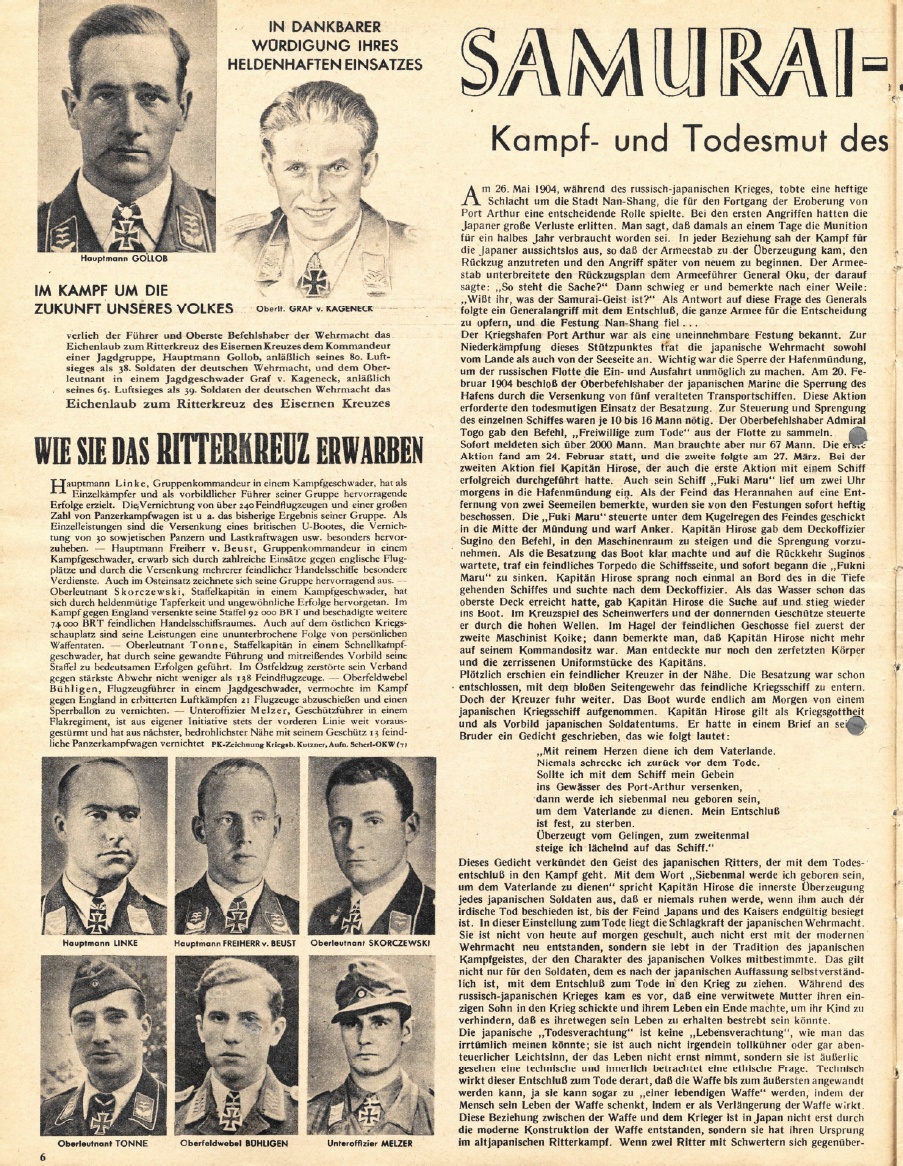
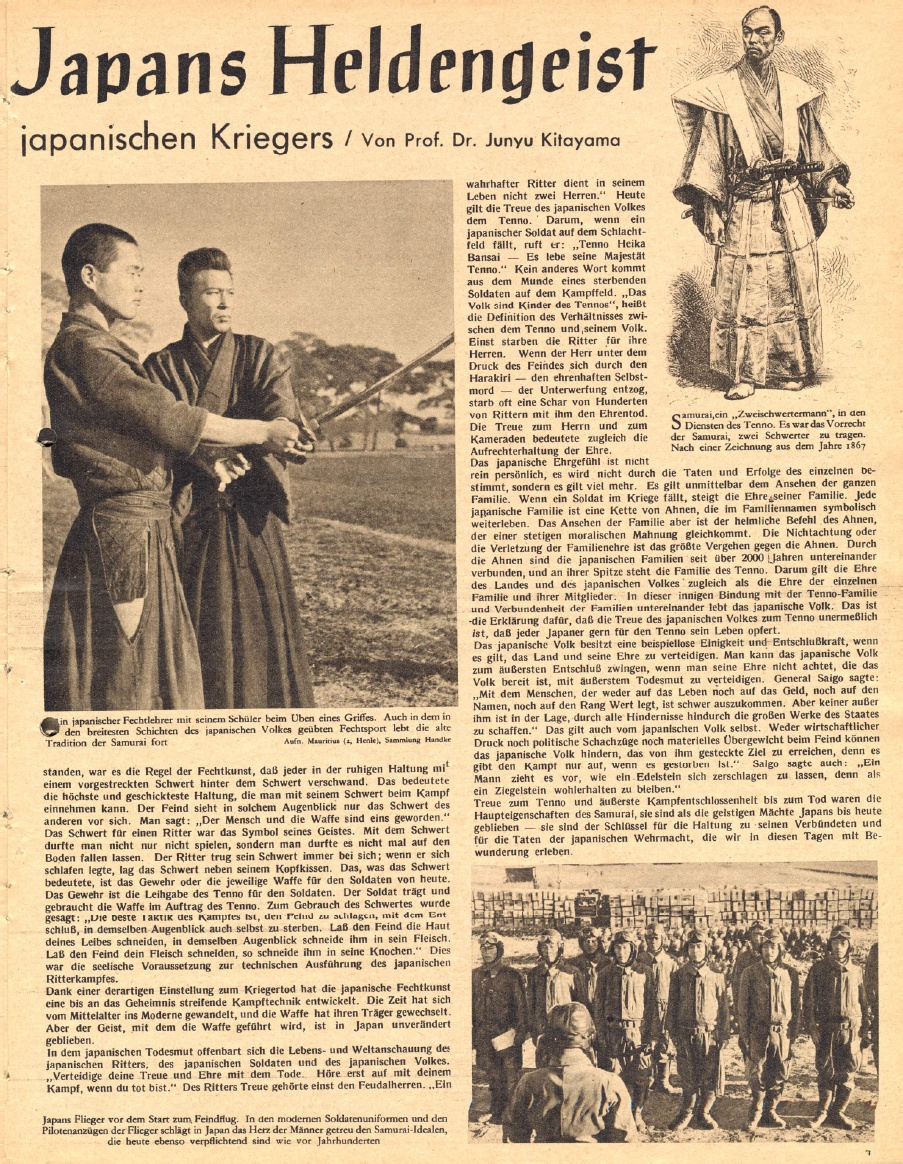
- Kitayama Junyu, "The Sword of the Japanese", Marburger Zeitung, 31. July 1942, No. 212, page 7
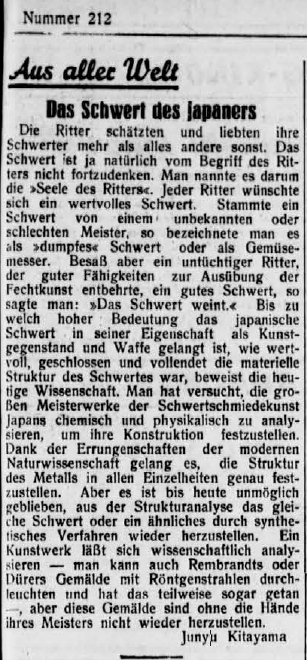
Das Schwert des Japaners
The knights appreciated and loved their swords more than anything else. The sword, of course, does not eat the concept of a knight. It was therefore called the “soul of the knight.” Every knight wanted a precious sword. If a sword came from an unknown or bad master, it was called a "dumb" sword or a vegetable knife.
But if an incompetent knight, who lacked good skills for the practice of fencing, had a good sword, it was said: "The sword weeps." Up to what great importance the Japanese sword has reached in its capacity as an artifact and weapon, how valuable, closed and perfect the material structure of the sword was, is shown by today's science.
Attempts have been made to chemically and physically analyze the great masterpieces of Japanese swordsmithship in order to determine their construction. Thanks to the achievements of modern science, it was possible to accurately determine the structure of the metal in all details. But it is still impossible to restore the same sword or a similar one from structural analysis by synthetic methods.
A work of art can be scientifically analyzed – one can also examine Rembrandt’s or Hürer’s paintings with X-rays and has even done so in part – but these paintings cannot be restored without the hands of their master.
Junyu Kitayama
German article Japanische Kulturtradition of 25.07.1943
- Prof. Dr. J. Kitayama, Japanese Cultural Tradition, "Deutsche Post für das Sudetenland", 25.07.1943 Here
Further images from the original page

Original wording of this section · 2018
Zde je několik odkazů na pdf s několika kratšími pracemi pana Kitajamy (jsou v němčině). Každá sudá strana je otočena o 180 stupňů. Toto se dá ovlivnit při tisku - tisk na výšku, zvolit oboustranný tisk a přetáčet přes kratší stranu. Pak se vše vytiskne korektně jako kniha (aspoň myslím).
- Junyu Kitayama, Der Shintoismus - pdf dokument - německy
- Junyu Kitayama, Der Geist des japanischen rittertums - pdf dokument - německy
- Junyu Kitayama, Buddhismus und Japan - pdf dokument - německy
- Junyu Kitayama, Genjo Koan - pdf dokument - německy
- Junyu Kitayama, "Der Geist des japanischen Rittertums", Deutsche Zeitung in den Niederlanden, Nr. 259 / Sonnabend/Sonntag, 31. März/1..April 1945, článek na straně 6, pdf dokument - německy nebo také zde pdf dokument - německy>
- Dr. Džúnjú Kitajama: Osobnost a společnost v moderním japonském románu, Nový Orient. Vol. 1, No. 10 (1945-46) pdf dokument - česky , naskenovaný článek
- Dr. Džunju Kitajama: Umění Dálného východu a jeho zvláštnosti, Nový Orient. Vol. 2, No. 8 (1947) pdf dokument - česky , naskenovaný článek
- Prof. Dr. Junyu Kitayama, Samurai - Japans Heldengeist Kampf- und Todesmut des japanischen Kriegers, německy strana 1 ; strana 2 , naskenovaný článek
- Kitayama Junyu, Das Schwert des Japaners, "Marburger Zeitung, 31. Juli 1942, Nummer 212, Seite 7
Das Schwert des Japaners
Die Ritter schätzten und liebten ihre Schwerter mehr als alles andere sonst. Das Schwert ißt ja natürlich vom Begriff des Ritters nicht fortzudenken. Man nannte es darum die »Seele des Ritters«. Jeder Ritter wünschte sich ein wertvolles Schwert. Stammte ein Schwert von einem • unbekannten oder schlechten Meister, so bezeichnete man es als »dumpfes« Schwert oder als Gemüsemesser.
Besaß aber ein untüchtiger Ritter, der guter Fähigkeiten zur Ausübung der Fechtkunst entbehrte, ein gutes Schwert, so sagte man: »Das Schwert weint.« Bis zu welch hoher Bedeutung das japanische Schwert in seiner Eigenschaft als Kunstgegenstand und Waffe gelangt ist, wie wertvoll, geschlossen und vollendet die materielle Struktur des Schwertes war, beweist die heutige Wissenschaft.
Man hat versucht, die großen Meisterwerke der Schwertschmiedekunst japans chemisch und physikalisch zu analysieren, um ihre Konstruktion festzustellen. Dank der Errungenschaften der modernen Naturwissenschaft gelang es, die Struktur des Metalls in allen Einzelheiten genau festzustellen. Aber es ist bis heute unmöglich Reblieben, aus der Strukturanalyse das gleiche Schwert oder ein ähnliches durch syntheisches Verfahren wieder herzustellen.
Ein Kunstwerk läßt sich wissenschaftlich analysieren — man kann auch Rembrandts oder Hürers Gemälde mit Röntgenstrahlen durchleuchten und hat das teilweise sogar getan —, aber diese Gemälde sind ohne die Hände ihres Meisters nicht wieder herzustellen.
Junyu Kitayama
německý článek Japanische Kulturtradition z 25.07.1943
- Prof. Dr. J. Kitayama, Japanische Kulturtradition, "Deutsche Post für das Sudetenland, 25.07.1943 Zde
Reviews and studies
Verified studies of Kitayama
Fujimoto Jōhiko (藤本浄彦): 北山淳友論(その一) : 孤高の仏教哲学者 北山淳友(マールブルク時代を中心に). 比較思想 7, June 1983, pp. 15–33. CiNii confirms this separate journal publication. It is not automatically equated with an item in a different 1985 collection.
CiNii · CRID 1573668926569552128
Shiba Haruhide (司馬春英): 現象学と比較哲学. Tokyo: Hokuju Shuppan, December 1998, 238 pages, ISBN 4-89384-684-1. CiNii lists one chapter on Kitayama and his Metaphysik des Buddhismus within Part III, which also discusses other thinkers. The given name is read Haruhide, rather than Harue.
Hannah Arendt, Kitayama and Risō
Kitayama’s translation of the article on Karl Jaspers (1930)
ARENDT, Hannah (1930): “カール・ヤスパースの哲学.” 理想 15: 187–201. (Transl. K. Jun’yū.)
Kitayama translated Hannah Arendt’s article “カール・ヤスパースの哲学” (The Philosophy of Karl Jaspers) into Japanese. Currie’s bibliography gives 理想 (Risō), 15 (1930), pp. 187–201, translated by K. Jun’yū. The supplied eight-page PDF is an English rendering of this material, rather than a scan of the Japanese publication. Its English translator and translation date are not stated in the PDF.
“Arendt-kun” appears in the introductory and explanatory passages on PDF pages 1 and 2 of the supplied English version. In his accompanying message, Lute Currie interprets this form of address as an indication of friendship and respect. The suffix alone does not establish the precise nature or closeness of their relationship; that interpretation is distinguished from the wording itself.
English rendering of the article and accompanying passages · PDF, 8 pages
A study by Lute Currie
Two Japanese Philosophers in a Letter from Heinrich Blücher to Hannah Arendt — Lute Currie (Adelaide).
In Two Japanese Philosophers in a Letter from Heinrich Blücher to Hannah Arendt, Lute Currie identifies the figures mentioned in the 1956 correspondence as Ōe Seizō (Seizo Ohe) and Kitayama. On PDF page 4 he cites archival evidence that Arendt and Kitayama attended the same Jaspers seminars. His account of their acquaintance thus draws on several sources, while leaving their possible influence on Arendt’s thought unresolved. The letter writers’ speculation about Kitayama possibly becoming a Communist does not establish party membership.
On PDF pages 2–3, Currie identifies Seizō’s elder brother Seiichi as the publisher of Risō, citing Markus Rüsch (2015). The accompanying message also mentions ownership; the study itself explicitly describes his publishing role. The six-page paper is presented as the supplied final version; no journal or publication date is stated in the file.
Lute Currie: supplied final version of the paper · PDF, 6 pages
Both files and the accompanying information were supplied by Lute Currie through the archive editor.
Heroisches Ethos · 1945
- Das Heldische in Japan
Johann von Leers · Hakenkreuzbanner, 13. 1. 1945 · Recenze / Review / Rezension
Kitayama works are continuously becoming subject to scientific examination, below I will try to provide information on some of the work that I have encountered.
- Refracted axis: Kitayama Jun'yū and writing a German Japan, Erin L. Brightwell, 13 Oct 2015, 22 stran, http://www.tandfonline.com/doi/full/10.1080/09555803.2015.1073167
Abstract:
The question of how individuals navigate a given regime is inevitably a delicate one, but one no less important because of its sensitivity. This article examines the case of one Kitayama Jun'yū – author of dozens of works during the 1930s and 1940s that purported to introduce Japan to a German audience – and his changing rhetorical strategies in presenting a Japan that would be acceptable to his readership.
It employs an adapted notion of Bhabha's concept of ‘mimicry’ as a means to understand both developments internal to Kitayama's works as well as their changing reception. This framework recognizes that power dynamics played an influential role in cross-cultural exchange between the two countries; at the same time, it enables a depersonalized engagement with cultural politics that does not rest on identifying individual authorial political allegiances.
Drawing on both Kitayama's writings and archival materials that reflect official and semi-private responses to his work, this article offers a closer look at how a particular Japanese intellectual negotiated Japan's place within the discursive space of the National Socialist regime.
- In 1940 he published "Meeting of the West and East - Japanese Culture and Traditions (West- Östliche Begegnung - Japan Kultur und Tradition)." The author evaluates K. Egger in the magazine "Zeitgeschichte," 1941, No. 10, as follows:
"This book, concentrated on just 250 pages, is one of the most fundamental works in world literature dealing with lush cultural policy issues. His ability to have a sensitive approach to complex European issues and the spiritual development of our race, his deep scientific knowledge and specificity are unprecedented, which is admirable. But his pride is also remarkable, namely the pride with which he clearly shows us and explains the essence of Japanese culture and custom.
In his work, this Japanese man writes that our national mission is fulfilled and there is no need to require understanding. He's managed to base a great deal of facts, for example. the legitimacy of your own nation. So, frankly, we Germans feel sympathy for such an approach with all our hearts. In (Short.) It is necessary to say that Kitayama has given us, Europeans his very noble approach to a reasonable and harsh truth. We should accept this fact adequately and be grateful to it for helping us to realise the truth '.
- Japanese Buddhism in the Third Reich, Brian Victoria, 2014, anglicky - kapitola Kitayamas Junyu's Role, Journal of the Oxford Centre for Buddhist Studies http://jocbs.org/index.php/jocbs/article/view/101/121
- Getting Back to Premodern Japan - Tanabe’s Reading of Dōgen, Ralf Müller, https://nirc.nanzan-u.ac.jp/nfile/2058
Up to 1945, the sole positive philosophical account of Dōgen was to be found in a brief work by Kitayama Jun’yū 北山淳友 (1902–1962). In 1940 Kitayama published his translation of the Genjōkōan, which he dedicated to Otto, claiming it to be “one of the greatest and most important masterworks of Buddhist mysticism and philosophy.”
- Johannes WIENINGER, MAK, Vienna: “To bring the essence of our art closer to the European art-loving world”, symposium on the occasion of the 140th anniversary of the establishment of diplomatic relations between Austria and Japan in 1869, The Republic of Austria and Japan during the interwar period 1918-1938 (1945) hosted by the Department of Japanology at the Institute for East Asian Studies of the University of Vienna, 3. July 2009
Finally, a brief look at Junyu Kitayama (1902-1962) and his small work “West-Eastern Encounter” Berlin 1942. Kitayama Junyu studied philosopher with Jaspers and Husserl, was in 1936 - 1944 assistant at the Japan Institute in Berlin and Deputy Director, 1944 - 1945 Ordinarius and director of the East Asia Institute of the University of Prague.
In the foreword, he explains his intentions: For the understanding of Japan and its culture, a wide variety of works have been written for several decades. This book has the desire to lift the veil hitherto spun by foreign hands around Japan and help build an inner bridge between West and East, especially Germany and Japan.
For the purpose of understanding Japanese culture, it seeks to give the Western reader a comparison between the Western and Eastern spiritual worlds; secondly, to present the position of Japanese culture in East Asia; thirdly, to introduce the West into the essence of Japanese culture. It is an attempt to immediately echo the inner voices of the Japanese soul and spirituality in German; it is therefore not a translation from Japanese.
We, the German and Japanese people, in whose hearts lives the incessant longing for the highest spiritual creations, are given the gift and task of bringing about a world-wide encounter in an ethical and spiritual relationship commensurate with the twentieth century, which opens up new perspectives for the blessing and prosperity of the coming world.
1. Westen und Osten
2. Spiritual Foundations of East Asian Culture
3. Chinese and Japanese Spirituality
4. Spirituality and Tradition in Japan
5. Geschichte und Kultur Japans
6. Consideration of the nature of Japanese cultural creation
7. The Way (Do) as a Tradition in Japanese Cultural Creation
8. The Way of Poetry (Shark-Kai-Do)
9. Cosmos as an object of painting
10. German Romanticism and East Asian Poetry
11. Buddha, Wahrheit und Welt
12. Religious world and Japanese religiosity
Kitayama’s observations are close to the Tsuzumis.
Again, Buddhism is not the driving force behind Japanese culture. In the elaboration of the West-Eastern differences we find again the striving for God-willed harmony in the triad "Heaven-Earth-Man".
'... The light of knowledge then increased to the peak of the individual spirit.
The resulting culture surpasses nature, and each person then fights for his own light, which should shine stronger than that of the other. Thus the earth in the West is transformed into a light-filled realm of the human spirit. This is the splendor and beauty of Western culture.
In contrast to the fate of uprooting, Eastern culture remained and remains in the unlimited and indelible light of the cosmos. Their destiny, their nature, is rooted in the cosmos. The East Asian as an individual is deeply rooted in his family, his community, the landscape that encompasses heaven, earth and people.
..." and further: "In East Asia a brilliant work of art, despite its uniqueness, is only a part, only a knot of cosmic phenomena, a reflection of the cosmic face in the human spirit.
The tea ceremony and flower art, the poetry rooted in the people is devoted a wide space, far away from Buddhist interpretations. He briefly touches on the historical development of art, but adheres to the division - Shintoism - Buddhism - chivalry and finally for the Edo period he calls Confucianism, which then reached its final breakthrough in the Meiji period: "A single ruler and a single people."
Both Tsuzumis and Kitayama’s works are to be assessed in connection with the Japan Institute in Berlin and the political ties of both countries. The over-emphasis on heaven as a unifying element is opposed to the Zen Buddhist approaches in literature published in English, although the same elements are highlighted as being typical of Japanese culture and art.
All the cited works have clear national characteristics, but they do not appear superficially to the Western addressee. Kitayama’s book experienced new editions deep into the 50s, today it is forgotten. Time passed over both books.
- Shintô and the Conception of Japanese Nationalism (kokutai) – Religious Traditionalism in Modern Times and Modene Japan. (Handbook of Oriental Studies./ Handbook of Oriental studies Fifth Division, Japan, 8.) Band ), ISBN 9004103163, Leiden; Boston; Cologne: Brill 1998, kap. TAISHÔ- AND EARLY SHÔWA TIME, , p.281
With reference to the book Kitayama’s West-Eastern Encounter, the question is raised “whether the Japanese way is not also feasible for us and whether Japanese educational methods can also be incorporated into our military education plan.” [...] In the whole book, the National Socialist forces of a new order on a Germanic-German basis would not be mentioned at all. Compared to Japan, Europe appears as a continent torn back and forth by the forces of various kinds.
There is a danger, so the “report from the Reich” ends, that the “image of Japan without the clear and positive contrast between our own standard of value leaves an ever stronger impression” in the German population.
The blatant admiration of Japan that emerged from this report may well have met with anxious scepticism on the part of the security apparatus – one feared, significantly, not opposition to Japanese conceptions but rather their perfection, which was also seen in the light of their own ideology – but it was nevertheless shared by the highest authority of the state, Hitler himself.
- The Fall of the Third Reich in the Mirror of the German-Japanese Cultural Encounter 1933-1945, Till Philip Koltermann, With Co-operation by ABE Yasuko, 2009, Harrassowitz Verlag · Wiesbaden, ISSN 0724-4703, ISBN 978-3-447-06072-1
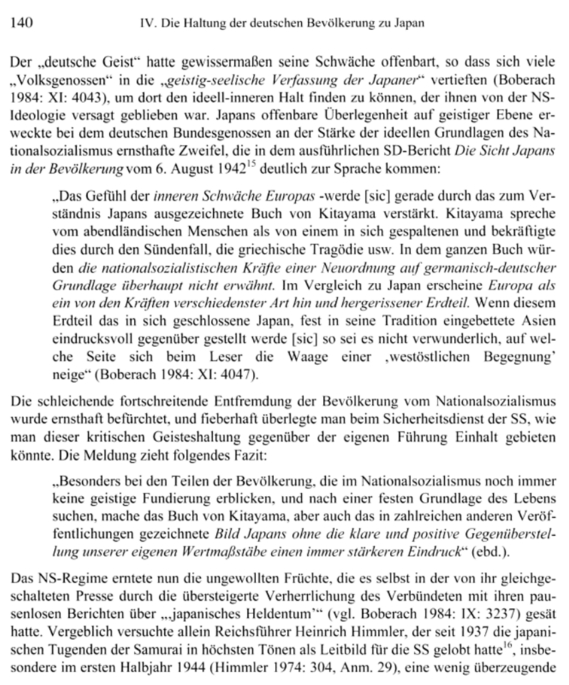
Some works and people mention the anti-Hitler and antinacist importance of Kitayama's book (West- Östliche Begegnung - Japan Kultur und Tradition) / Anti Hitler and Antinacists means some passages from Kitayamas book (West- Östliche Begegnung - Japans Kultur und Tradition)
Here are some specific references:
- rešerše na knihu Hans-Joachim Bieber: SS and samurai. German-Japanese cultural relations 1933-1945. Monograph from the German Institute for Japanese Studies, Volume 55. Munich: Iudicium 2014. 1311 pages. ISBN 978-3-86205-043-7, Euro 148,- http://www.oag.jp/images/reports/Notizen1510-Lins.pdf
'... In 1941, de Gruyter published a book (West-Eastern Encounter) in Berlin whose author Kitayama Junyū – against Hitler as it were – spoke of Japanese “culture – creation” and warned against superficial comparisons between the cultures of both countries (certainly he also meant that between the SS and the samurai).
- Japan in the Mirror of National Socialism: The Image of Japan in Nazi-influenced Germany 1933-1945 Rudolf Richter, německy
Source: Here.
In the context of Japan, the magazine was also intended to revise the negative statements about Japan made by Hitler and leading Nazi politicians. This revision was not only initiated by German sites, but also by Japanese living in Germany.
Professor Kitayama Junyu was one of the most important Japanese cultural mediators in Germany and contributed to the understanding of Japanese culture. The work West-Eastern Encounter (first published in 1940) was the most interesting attempt to disqualify Japanese culture by Hitler’s Mein Kampf and counteract Nazi ideology.
Kitayama, who had been deputy director of the Japan Institute Berlin since 1936, publicly criticized the resulting Japan-specific statements in Mein Kampf. One passage clearly critiques the Western view of East Asia:
They say: Western culture is an active one and Eastern culture a passive one. Hegel asserts: Western culture is a culture of freedom and Eastern culture of servitude. Spengler emphasizes: The culture of the West is a heroic one and that of the East a supporting one.
Against this consideration and general comparisons, it is objected that because of their lack of knowledge of East Asian culture and because of the superficiality of their investigations they did not come to the truth and consequently viewed and believed to understand the culture of the East unilaterally with Western eyes.
Kitayama Junyu criticizes here the Western opinion, which also expressed Hitler in Mein Kampf. However, it is questionable whether Kitayama directly criticizes Hitler since his book West-Eastern Encounter was released by Nazi censorship. Kitayama’s work was even read by members of the SS, as evidenced by a book stamping of the Sonsthofen religious castle in one copy.
The cultural exchange between Japan and Nazi Germany seems distorted and chaotic in its view, since Japan was devalued by the Nazi ideology from the beginning. From the 10s onwards, interest in Japanese culture within Germany and the Nazi leadership and their AIdeology is rising. The various cultural magazines, such as Berlin-Rome-Tokyo or the publications of Kitayama Junyu, have not caused Hitler to personally revise his ideological opinion mentioned in Mein Kampf.
Vilemehr has led to a change of course in the outside, as well as in the inside effect of the Nazi Japan image. This was also probably due to the influence of Japanese propaganda on the mental attitudes of Nazi Germany.
Original wording of this section · 2018
Kitajamova díla se průběžně stávají předmětem vědeckého zkoumání, níže se pokusím uvést informace k některým pracem, na které jsem narazil.
- Refracted axis: Kitayama Jun'yū and writing a German Japan, Erin L. Brightwell, 13 Oct 2015, 22 stran, http://www.tandfonline.com/doi/full/10.1080/09555803.2015.1073167
Abstract:
The question of how individuals navigate a given regime is inevitably a delicate one, but one no less important because of its sensitivity. This article examines the case of one Kitayama Jun'yū – author of dozens of works during the 1930s and 1940s that purported to introduce Japan to a German audience – and his changing rhetorical strategies in presenting a Japan that would be acceptable to his readership.
It employs an adapted notion of Bhabha's concept of ‘mimicry’ as a means to understand both developments internal to Kitayama's works as well as their changing reception. This framework recognizes that power dynamics played an influential role in cross-cultural exchange between the two countries; at the same time, it enables a depersonalized engagement with cultural politics that does not rest on identifying individual authorial political allegiances.
Drawing on both Kitayama's writings and archival materials that reflect official and semi-private responses to his work, this article offers a closer look at how a particular Japanese intellectual negotiated Japan's place within the discursive space of the National Socialist regime.
- V roce 1940 vydal „Setkání Západu a Východu – japonská kultura a tradice (West-Östliche Begegnung – Japans Kultur und Tradition).“ Autora hodnotí K. Egger v časopise „Zeitgeschichte“, rok 1941, č.10, následovně:
„Tato kniha, koncentrovaná na pouhých 250 stranách, je jedno z nejzásadnějších děl světové literatury, zabývajích se ožehavými kulturně politickými otázkami. Jeho schopnost citlivého přístupu ke složité evropské problematice a duchovnímu vývoji naší rasy, jeho hluboké vědecké znalosti a konkrétnost nemají obdoby, což je obdivuhodné. Ale pozoruhodná je i jeho hrdost, konkrétně hrdost, s jakou nám jasne ukazuje a vysvětluje podstatu japonské kultury a zvyku.
Ve svém díle tento Japonec píše, že naše národní poslání je splněno a není třeba vyžadovat pochopení. Velké množství faktu se mu daří podložit, napr. legitimnost vlastního národa. Takže upřímně rečeno, vůči takovému přístupu my, Němci, cítíme sympatie celým svým srdcem.v(Zkráceno.) Je nutné říct, že Kitajama nám, Evropanům, svým velmi ušlechtilým přístupem dal na srozuměnou poměrne drsnou pravdu. Měli bychom tuto skutečnost adekvátně přijmout a být mu zavázáni za to, že nám pomohl uvědomit si pravdu“.
- Japanese Buddhism in the Third Reich, Brian Victoria, 2014, anglicky - kapitola Kitayamas Junyu's Role, Journal of the Oxford Centre for Buddhist Studies http://jocbs.org/index.php/jocbs/article/view/101/121
- Getting Back to Premodern Japan - Tanabe’s Reading of Dōgen, Ralf Müller, https://nirc.nanzan-u.ac.jp/nfile/2058
Up to 1945, the sole positive philosophical account of Dōgen was to be found in a brief work by Kitayama Jun’yū 北山淳友 (1902–1962). In 1940 Kitayama published his translation of the Genjōkōan, which he dedicated to Otto, claiming it to be “one of the greatest and most important masterworks of Buddhist mysticism and philosophy.”
- Johannes WIENINGER, MAK, Wien: „Das Wesen unserer Kunst der europäischen kunstliebenden Welt näherzubringen“, Symposion aus Anlass des 140jährigen Jubiläums der Aufnahme diplomatischer Beziehungen zwischen Österreich und Japan im Jahr 1869, Die Republik Österreich und Japan während der Zwischenkriegszeit 1918–1938 (1945) veranstaltet von der Abteilung Japanologie am Institut für Ostasienwissenschaften der Universität Wien, 3. Juli 2009
Abschließend sei noch ein kurzer Blick auf Junyu Kitayama (1902-1962) und sein kleines Werk „West-östliche Begegnung“ Berlin 1942 geworfen. Kitayama Junyu studierte Philosoph bei Jaspers und Husserl, war 1936 - 1944 Assistent am Japaninstitut in Berlin und Stellvertretender Leiter, 1944 - 1945 Ordinarius und Direktor des Ostasieninstituts der Universität Prag.
Im Vorwort klärt er über seine Intentionen auf: „Zum Verständnis von Japan und seiner Kultur sind seit einigen Jahrzehnten die verschiedensten Werke geschrieben worden. Dieses Buch hat den Wunsch, den bisher von fremden Händen um Japan gesponnenen Schleier zu lüften und dazu beizutragen, eine innere Brücke zwischen Westen und Osten, insbesondere Deutschland und Japan, zu schlagen.
Es will zum Verständnis der japanischen Kultur dem westlichen Leser einen Vergleich zwischen der westlichen und der östlichen Geisteswelt geben, zweitens die Stellung der japanischen Kultur in Ostasien vergegenwärtigen, drittens das Abendland in das Wesen der japanischen Kultur einführen. Es ist ein Versuch, die inneren Stimmen der japanischen Seele und Geistigkeit in deutscher Sprache unmittelbar widerklingen zu lassen; es ist also keine Übersetzung aus dem Japanischen.
Uns, den deutschen und japanischen Menschen, in deren Herzen die unablässige Sehnsucht nach den höchsten Geistesschöpfungen lebt, ist die Gabe und die Aufgabe zuerteilt, eine dem zwanzigsten Jahrhundert gemäße weltumspannende Begegnung in ethischer und geistiger Beziehung herbeizuführen, die neue Perspektiven für Segen und Gedeihen der kommenden Welt eröffnet.“
1. Westen und Osten
2. Geistige Grundlagen ostasiatischer Kultur
3. Chinesische und japanische Geistigkeit
4. Geistigkeit und Tradition in Japan
5. Geschichte und Kultur Japans
6. Wesensbetrachtung der japanischen Kulturschöpfung
7. Der Weg (Do) als Tradition in der japanischen Kulturschöpfung
8. Der Weg der Dichtung (Hai-Kai-Do)
9. Kosmos als Gegenstand der Malerei
10. Deutsche Romantik und ostasiatische Dichtung
11. Buddha, Wahrheit und Welt
12. Religiöse Welt und japanische Religiösität
Kitayamas Betrachtungen stehen der Tsuzumis nahe.
Wiederum ist nicht der Buddhismus die Triebfeder japanischer Kultur. In der Herausarbeitung der west-östlichen Unterschiede finden wir das Streben nach gottgewollter Harmonie in der Trias "Himmel-Erde-Mensch" wieder.
"... Das Licht der Erkenntnis steigerte sich dann bis zum Gipfel des Individualgeistes.
Die daraus hervorgegangene Kultur überflügelt die Natur, und jeder Mensch kämpft dann um sein eigenes Licht, das stärker leuchten soll als das des anderen. So verwandelt sich die Erde im Westen in ein lichterfülltes Reiches des menschlichen Geistes. Das sind der Glanz und die Schönheit der abendländischen Kultur.
Im Gegensatz zum Schicksal der Entwurzelung blieb und bleibt die östliche Kultur im unbeschränkten und unverlöschbaren Licht des Kosmos. Ihr Schicksal, ihre Wesensart, ist die Verwurzelung im Kosmos. Der Ostasiate als einzelner ist tief verwurzelt in seiner Familie, seiner Gemeinschaft, in der Landschaft, die Himmel, Erde und Menschen umfasst.
..." und weiter: " In Ostasien ist ein geniales Kunstwerk trotz seiner Einmaligkeit nur ein Teil, nur ein Knoten der kosmischen Erscheinungen, ein Widerschein des kosmischen Antlitzes im Menschengeiste."
Der Teezeremonie und der Blumensteckkunst, der im Volke verwurzelten Dichtkunst wird breiter Raum gewidmet, fernab von buddhistischen Interpretationen. Die historische Entwicklung der Kunst streift er kurz, hält sich aber an die Einteilung – Shintoismus - Buddhismus - Rittertum und schließlich für die Edo-Periode nennt er den Konfuzianismus, der dann in der Meiji-Zeit zum endgültigen Durchbruch gelangte: "Ein einziger Herrscher und ein einziges Volk."
Sowohl Tsuzumis wie auch Kitayamas Werke sind im Zusammenhang mit dem Japaninstitut in Berlin und der politischen Verbindungen beider Länder zu bewerten. Die Überbetonung des Himmels als einigendes Element, steht den Zenbuddhistischen Ansätzen in der in englischer Sprache publizierten Literatur entgegen, auch wenn die gleichen Elemente als jeweils typisch für Kultur und Kunst Japans hervorgestrichen werden.
Alle zitierten Arbeiten tragen deutliche nationale Züge, sie biedern sich jedoch dem westlichen Adressaten, so mein Eindruck, nicht oberflächlich an. Kitayamas Buch erlebte Neuauflagen bis tief in die 50er Jahre hinein, heute ist es vergessen. Über beide Bücher ging die Zeit hinweg.
- Shintô und die Konzeption des japanischen Nationalwesens (kokutai) – Der religiöse Traditionalismus in Neuzeit und Modene Japans. (Handbuch der Orientalistik./ Handbook of Oriental studies Fünfte Abteilung, Japan, 8. Band ), ISBN 9004103163, Leiden; Boston; Köln: Brill 1998, kap. TAISHÔ- UND FRÜHE SHÔWA-ZEIT, , s.281
Unter Hinweis auf das Buch Kitayamas Westöstliche Begegnung werde die Frage aufgeworfen, „ob der japanische Weg nicht auch für uns gangbar sei und japanische Erziehungsmethoden auch in unseren militärischen Erziehungsplan eingebaut werden können. [...] In dem ganzen Buch würden die nationalsozialistischen Kräfte einer Neuordnung auf germanisch-deutscher Grundlage überhaupt nicht erwähnt. Im Vergleich zu Japan erscheine Europa als ein von den Kräften verschiedenster Art hin und her gerissener Erdteil.“
Es bestehe die Gefahr, so endet der „Bericht aus dem Reich“, daß das „Bild Japans ohne die klare und positive Gegenüberstellung unseres eigenen Wertmaßstabes einen immer stärkeren Eindruck“ in der deutschen Bevölkerung hinterlasse.
Die aus diesem Bericht hervorgehende unverhohlene Bewunderung Japans mochte zwar auf besorgte Skepsis auf Seiten des Sicherheitsapparates stoßen – man fürchtete bezeichnenderweise nicht eine Gegnerschaft der japanischen Auffassungen, sondern vielmehr deren, gerade auch im Lichte der eigenen Ideologie gesehene, Perfektion – sie wurde aber gleichwohl von höchster Stelle des Staates, Hitler persönlich, geteilt.
- Der Untergang des Dritten Reiches im Spiegel der deutsch-japanischen Kulturbegegnung 1933–1945, Till Philip Koltermann, Unter Mitarbeit von ABE Yasuko, 2009, Harrassowitz Verlag · Wiesbaden, ISSN 0724-4703, ISBN 978-3-447-06072-1
Některé práce i lidé zmiňují anti Hitlerovský a antinacistický význam Kitajamovi knihy (West-Östliche Begegnung – Japans Kultur und Tradition) / Anti Hitler and Antinacists meanings some passages from Kitayamas book (West-Östliche Begegnung – Japans Kultur und Tradition)
Zde jsou některé konkrétní zmínky:
- rešerše na knihu Hans-Joachim Bieber: SS und Samurai. Deutsch-japanische Kulturbeziehungen 1933-1945. Monographie aus dem Deutschen Institut für Japanstudien, Band 55. München: Iudicium 2014. 1311 Seiten. ISBN 978-3-86205-043-7, Euro 148,- http://www.oag.jp/images/reports/Notizen1510-Lins.pdf
"... konnte 1941 bei de Gruyter in Berlin ein Buch ( West-östliche Begegnung) erscheinen, dessen Verfasser Kitayama Junyū – gleichsam gegen Hitler – von japanischer „Kultur - schöpfung“ sprach und vor oberflächlichen Vergleichen zwischen den Kulturen beider Länder warnte (sicherlich meinte er auch den zwischen der SS und den Samurai)."
- Japan im Spiegel des Nationalsozialismus: Das Japanbild im nationalsozialistisch geprägten Deutschland von 1933-1945 Rudolf Richter, německy
Zdroj: zde
Im Kontext Japan sollte die Zeitschrift ausserdem die von Hitler und fuhrenden NS-Politikern getatigten negativen Ausserungen uber Japan revidieren. Diese Revision ging nicht nur von deutschen Site aus, sondern wurde auch von in Deutschland lebenden Japaner angestrengt.
Professor Kitayama Junyu, war einer der bedeutendsten japanischen Kulturvermittler in Deutschland und trug zum Verstandnis der japanischen Kultur bei. das Werk West-ostliche Begegnung (Erstveroffenlichung 1940) war der interessanteste Versuch der Abqualifizierung der japanischen Kultur durch Hitlers Mein Kampf und der NS-Ideologie entgegen zu Wirken.
Kitayama, der seit 1936 stellvertretender Leiter des Japan Instituts Berlin war, ubte offentlich Kritik an den insultierenden japanspezifischen Ausserungen in Mein Kampf. Eine Passage ubt deutliche Kritik and der westlichen Sicht Ostasiens:
"Man sagt: Die westliche Kultur ist eine aktive und die ostliche eine Passive. Hegel behauptet: Die westliche Kultur is eine Kultur der Freiheit and die ostliche eine Kultur der Knechtschaft. Spengler betont: Die Kultur des Westens ist eine schopferische und die des Ostens eine tragende.
Gegen diese Betrachtung und allgemeinen Vergleiche ist einzuwenden, dass sie wegen mangelnder Kenntnis der ostasiatischen Kultur und wegen der Oberflachlichkeit ihrer Untersuchungen nicht die Wahrheit getroffen haben und infolgedessen einseitig mit westlichen Augen die Kultur des Ostens ansahen und zu verstehen glaubten" (seite 12-13)
Kitayama Junyu kritisiert hier die westliche Meinung, die auch Hitler in Mein Kampf zum Ausdruck brachte. Es is jedoch fraglich, ob Kitayama Hitler direkt kritisiert, da sein Buch West-ostliche Begegnung von der NS-Zensur freigegeben wurde. Kitayamas Werk wurde sogar von Angehorigen der SS gelesen, wie eine Buch-Einstempelung der Ordensburg Sonsthofen in einem Exemplar beweist.
Der Kulturaustausch zwischen Japan und Nazi-Deutschland wirkt in seiner Betrachtung verzerrt und chaotisch, da Japan von der NS-Ideologie von Anfang an abgewertet wurde. Ab den 10er Jahren steigt Interesse and der japanischen Kultur innerhalb Deutchlands un der NS-Fuhrung und deren AIdeologie. Die diversen Kulturzeitschriften, wie Berlin-Rom-Tokio oder die Publikationen von Kitayama Junyu haben nich dazu gefurt, dass Hitler personlich seine in Mein Kampf erwahnte ideologische Meinung revidierte.
Vilemehr hat dies zu einem Kurswechsel der Aussen, wie auch Innenwirkung den NS-Japanbildes gefuhrt. Was auch wahrscheninlich durch den Einfluss der japanischen Propaganda auf die geistige Einstellung Nazi-Deutschlands passierte.
Imprisonment and StB records
Ryōshūka — Songs of a Captive (虜囚歌)
The published edition offers the Japanese text, scans and Czech, English and German translations. Surviving poems are dated 21 December 1945–11 April 1946 and 1 January–23 May 1956. Its source is the 1984 estate edition, Staatsbibliothek zu Berlin, shelfmark 5 A 73803. The preface contains further recollections of internment, the Smída family and Hildegard Weidler; personal testimony is distinguished from official records.
Read the text · 日本語 / Čeština / English / Deutsch
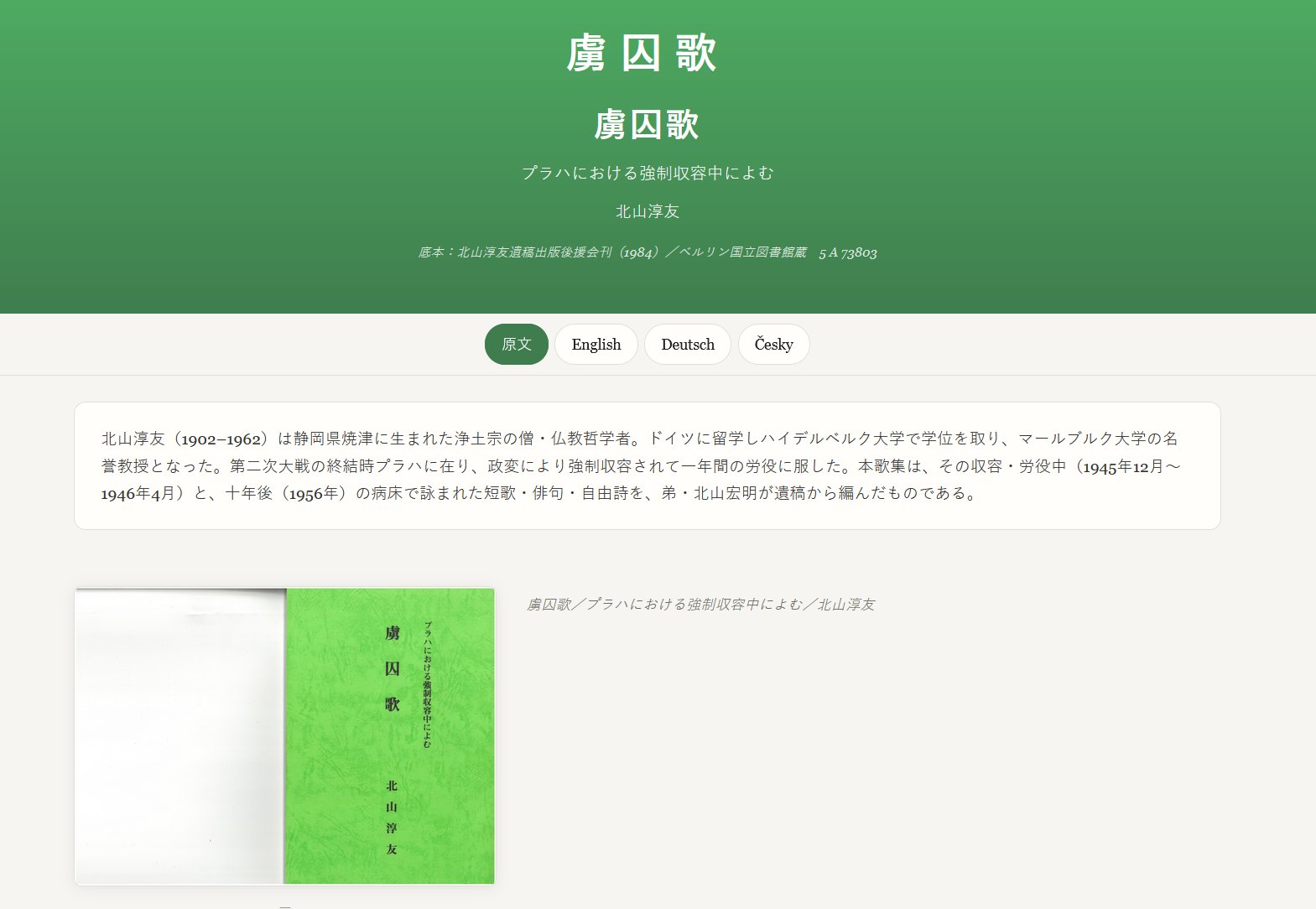

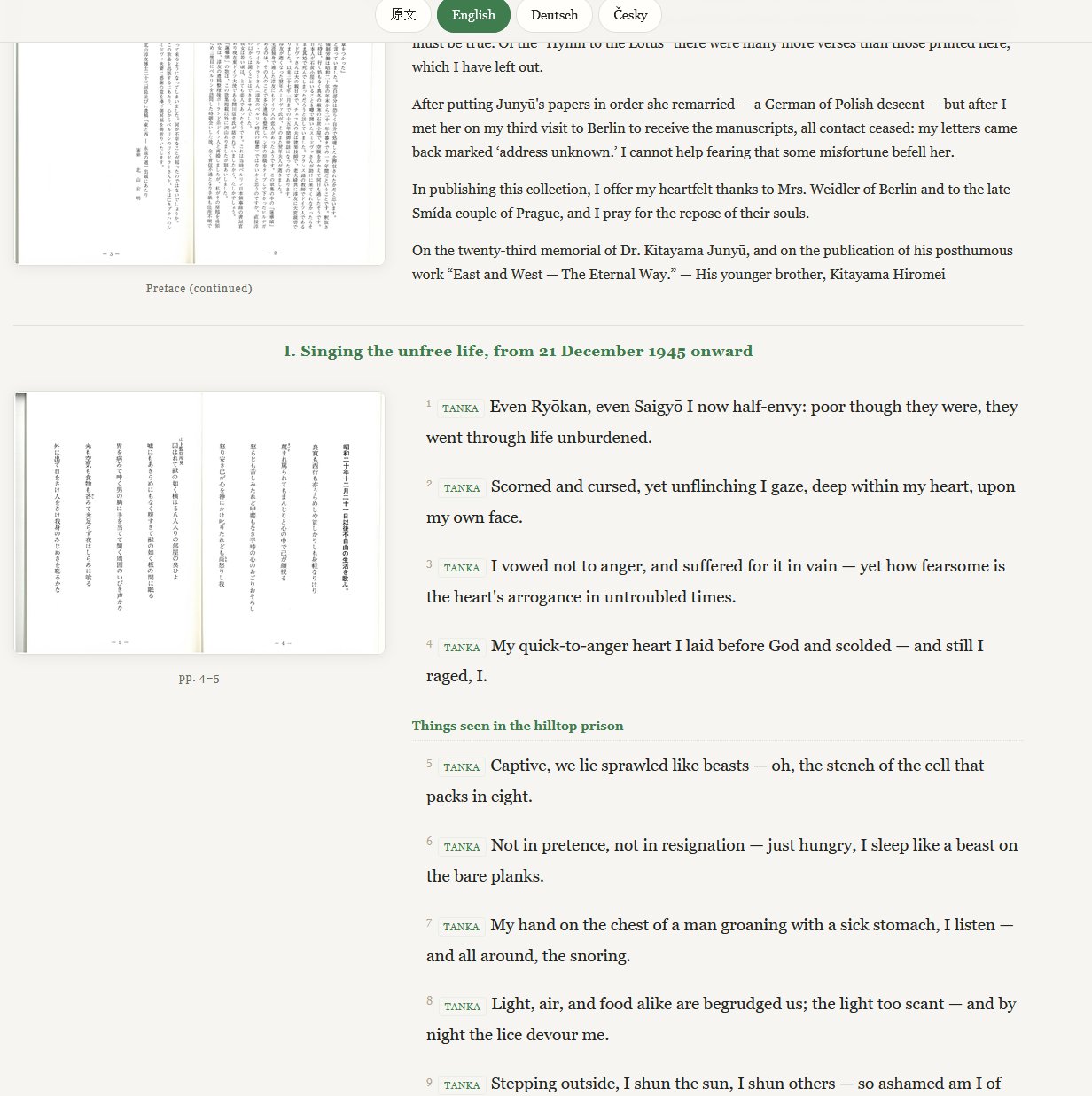
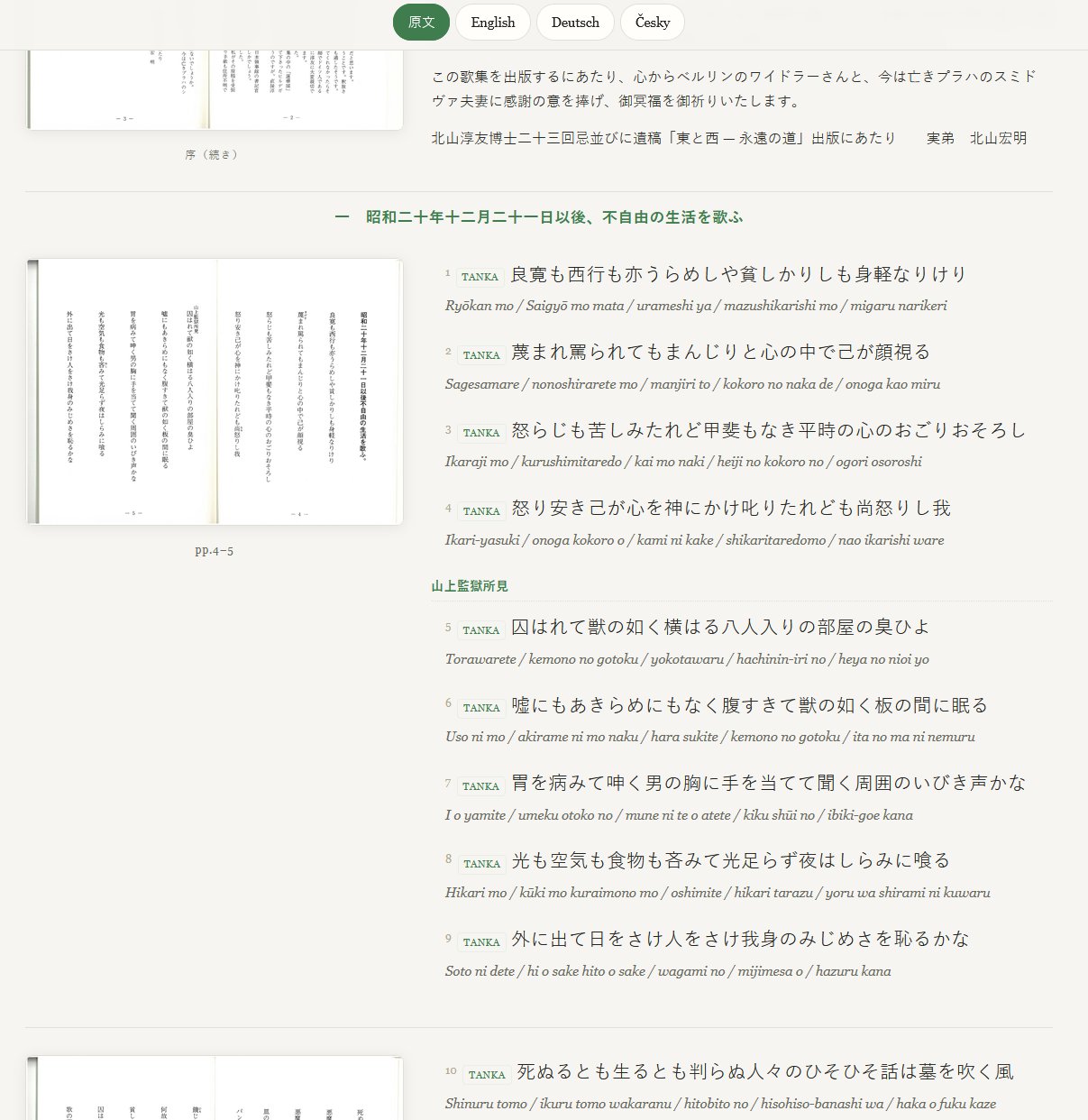
According to the documents in the STB archive, Kitayama was on 9. Arrested in Prague on May 1945 in a former Japanese Embassy building on the Lesser Side. 27.5.1945 was sent for field work. He was released in 1945. So he spent 6 months on farms around Lobc near Mělnik, for example. the great estate of Mr Šimínek in Lobč near Mělnik. He was dismissed by the State Department at the request and recommendation of Professor Průšek from the Oriental Institute.
Kitayama has helped the Oriental Institute in the past (under the first republic), as a cultural Attaché of the Japanese Embassy in Berlin provided great financial benefits for the Institute's activities, saving Prague's oriental higher education department from closure. In their letter, Kitayama also proposed the release and transfer of Kitayama to Germany to other Japanese detainees for a possible return to Japan.
Here's the Prentice letter for Kitayama's release.
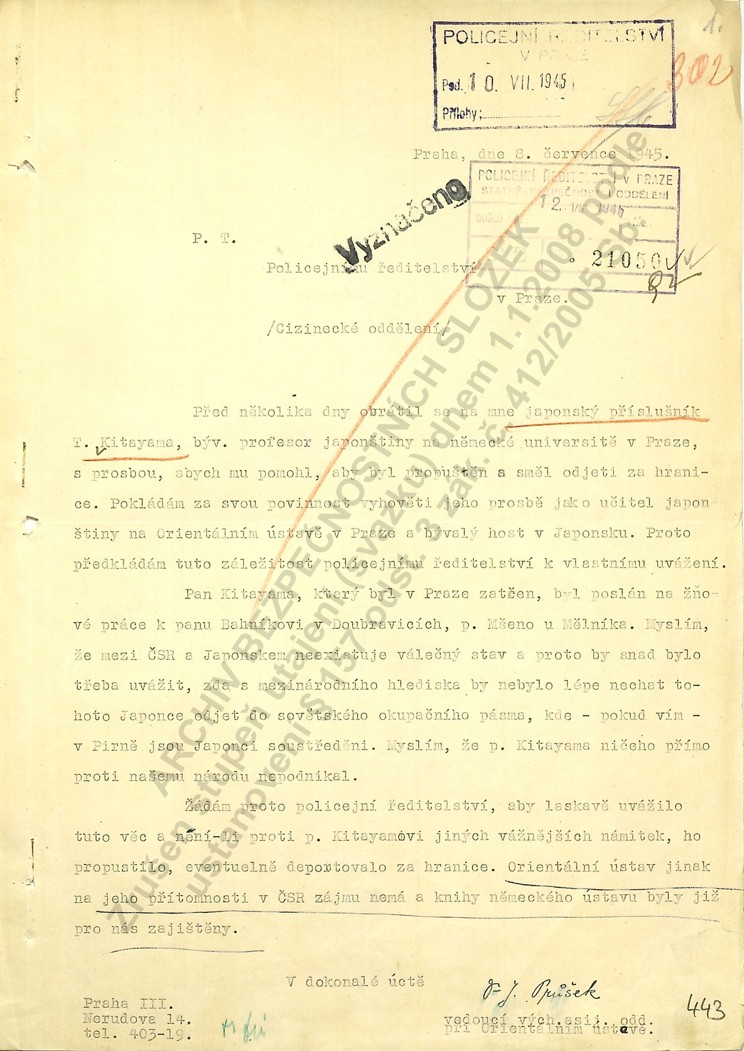
On the Internet, I found information about a union that STB was running on Oriental personnel, including Kitayama. The scanned volume got to me because of Mr. Valík's research. For STB he was a suspected alien, tried to find out his reasons for staying in Czechoslovakia, his activity and whether it was directed against Czechoslovakia. According to the records from the archives, nothing like this was found. Records contain a lot of information about Kitayama, information from his surveillance etc. The records after 1951 are not in her marriage.
His first name is garbled, but his surname and date of birth agree. Strange is the date of introduction of the union. It's not until 1976, about 13 years after Kitayama passed away. The volume contains inaccuracies in the data (e.g. his arrival in Europe).
http://www.svazky.cz/sekce/Databaze_EZO
Name Sex Date of birth Place of birth Nationality 1 Nationality 2 Date of introduction
JAPAN JAPAN 28.08.1976
Archives
Archive number Archiving department
H-137 / SU SEO VOS FMV
H-137 SEO VOS FMV
The specific information resulting from the volume will be gradually supplemented, here is their provisional overview in points:
- Kitayama was transferred to Prague from 1.1.1945, gradually received three tasks:
1. lead Japanese studies at Charles University
2. move the Japanese library from Marburg to Prague
3. Prepare the Japanese Embassy building in Prague for possible evacuation of the Japanese Embassy in Berlin (task from Ambassador Oshima)
- Kitayama had a conflict with Ambassador Oshima (the reason is stated - contradiction in racial question)
- Kitayama was arrested by the Czech authorities after May 1945 (details of arrest were given - member of the adversary power without official diplomatic accreditation in Czechoslovakia, arrested with Germans) and placed for 6 months on a field work on a farm near Mělník, had broken health - tubercolosis, for working on fields was not suitable)
- place of work of the large estate of Mr Šimonk in Lobč near Mělnik, also mentioned with Mr Bahník in Doubravice, Mšen at Mýlnik (in the letter to Brochek)
- He was released at his own request and especially by the intervention of Professor Průšek from the Oriental Institute
- was not relegated and did not want to be relegated, he started working again in the Oriental Institute as a Japanese teacher (various years)
- In the Oriental Institute, Japanese teacher Vlasta Hilská and a young Japanese teacher Libuše Boháčková work. She also attends his teaching, and with Kitayama she binds them to friendship, otherwise Kitayama does not associate with anyone, he is unsociable.
- also teaches judo / jijitsu members of the village Sokolský - in Prague and Hradec Králové
- Kitayama cures people, ways and cases of treatment are described in volume, cures for free
- STB is interested in him as an agent / rapporteur of the enemy power.
- around 1950, 1951 the STB followed him more intensively, putting on his collaborator (Czech Japanese Macumoto Kinrice Henry, former worker of the japan) Embassy, obtained for cooperation with STB under duress)
- STB events have not proven any Kitayama hostile circumstances or behavior against Czechoslovakia
- In 1949 and 1951 STB wanted to expel Kitayam from Czechoslovakia, he resists it (he does not have enough money to leave) and apparently doesn't want to leave Czechoslovakia
- Kitayama thinks that once diplomatic relations with Japan are restored, he will become a Japanese ambassador in Czechoslovakia, later only to be employed at the embassy as an official.
- address Kitayama residence in Prague and Berlin
- Kitayama writes a book about judo, would like to publish it after returning to Japan
- At the end of 1951, STB ceases to be interested in Oriental Institute and its members (it does not have capacity and priority is low), thus ending also records about Kitayama
There are frequent summaries of information (volume extraction), such as this from the end of 1951
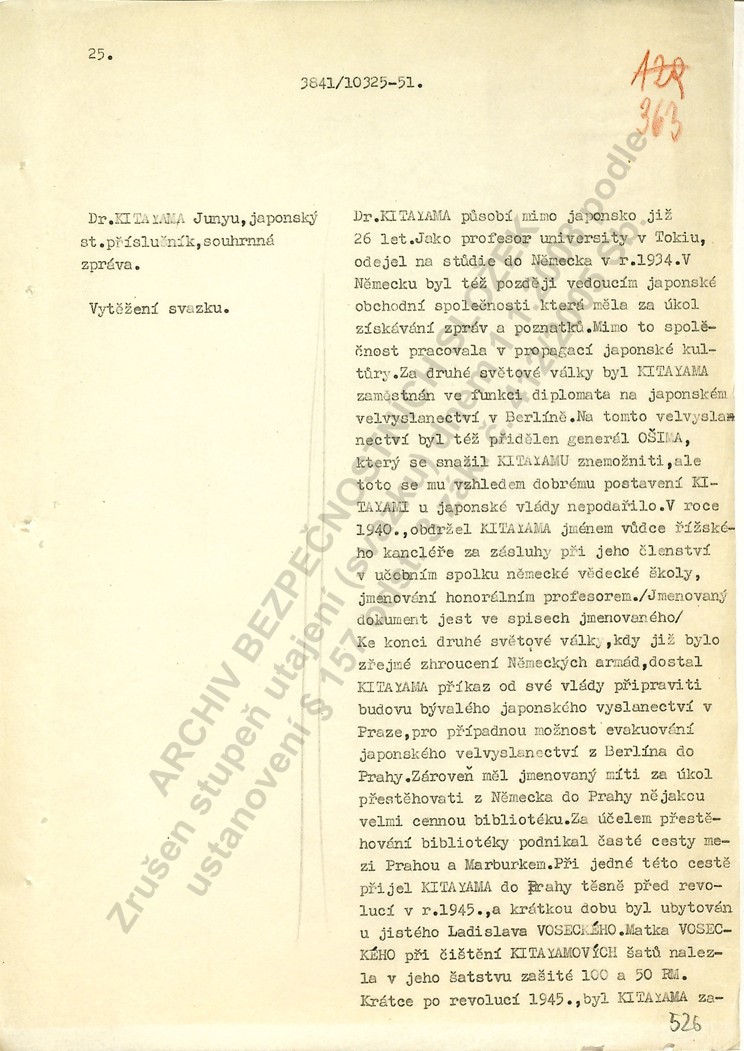
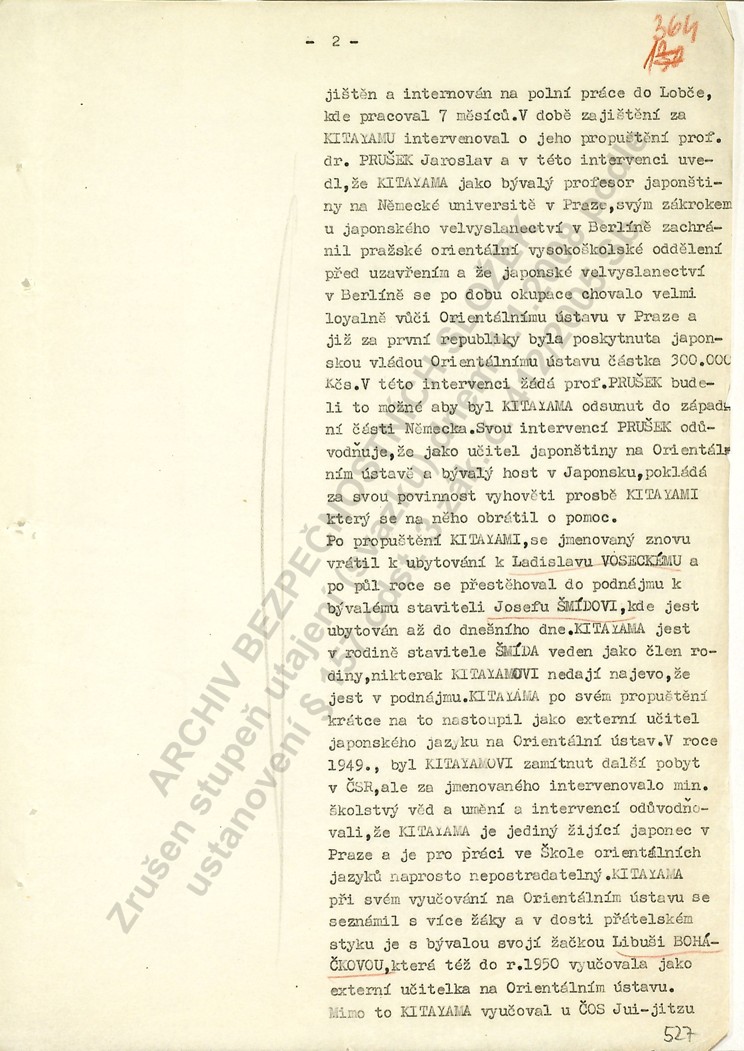
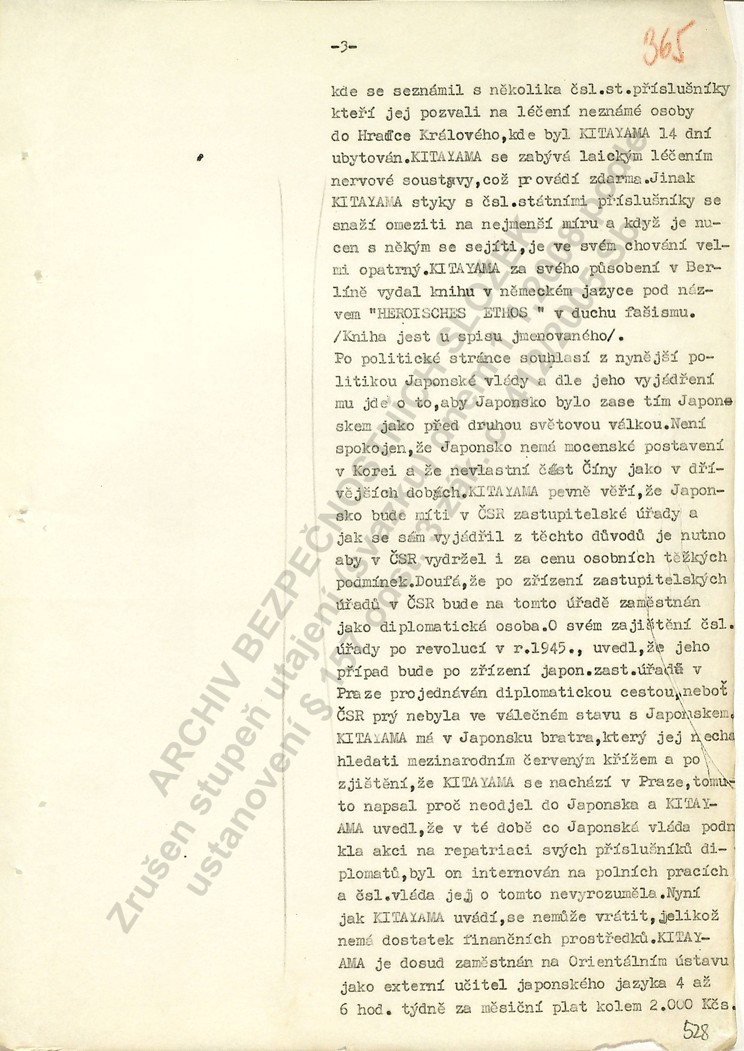
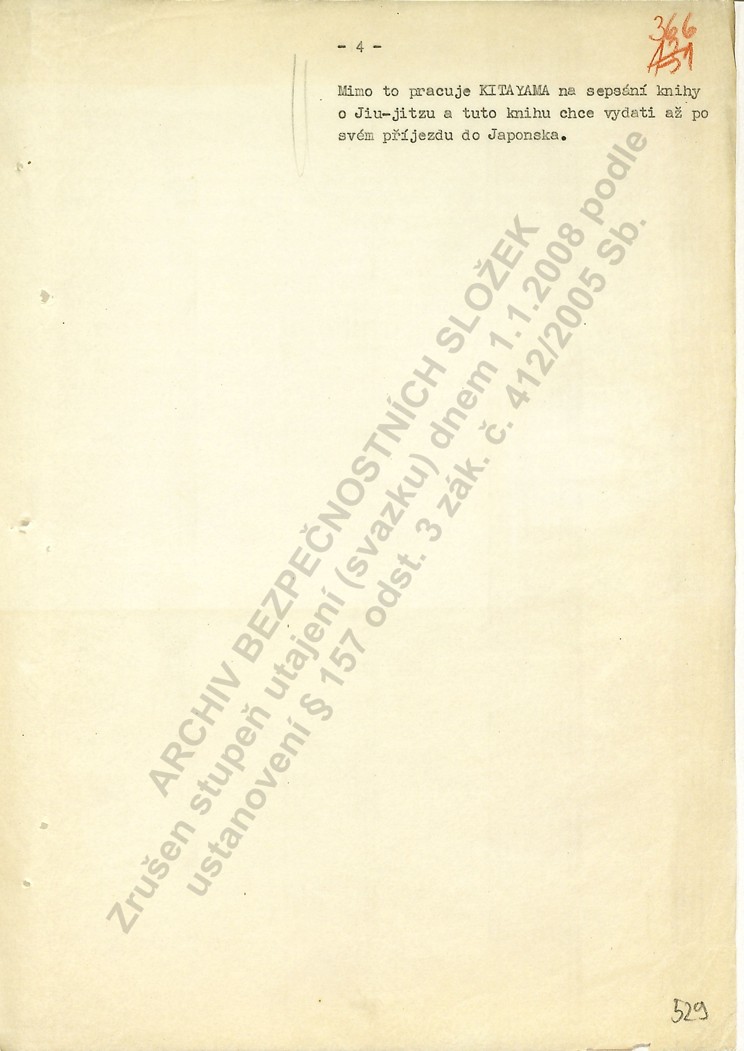
Original wording of this section · 2018
Dle dokumentů v archívu STB byl Kitajama dne 9. května roku 1945 v Praze zatčen v budově bývalého japonského velvyslanectví na Malé straně. 27.5.1945 byl poslán na polní práce. Propuštěn byl v 1945. Strávil tedy 6 měsíců na statcích kolem Lobče u Mělníka např. velkostatku pana Šimínka v Lobči u Mělníka. Propuštěn byl Ministerstvem zahraničí na žádost a doporučení profesora Průška z Orientálního ústavu.
Kitajama v minulosti (za první republiky) pomohl Orientálnímu ústavu, když jako kulturní atašé japonského velvyslanectví v Berlíně zajistil velké finanční obnosy pro činnost ústavu, zachránil pražské orientální vysokoškolké oddělení před uzavřením. Průšek a i také Kitajama ve svém dopise navrhují propuštění a odsun Kitajamy do Německa k dalším zadržovaným japonským příslušníkům pro případný návrat do Japonska.
Zde je Průškův dopis orodující za propuštění Kitajamy.
Na internetu jsem našel informaci o svazku, který si STB vedla na pracovníky Orientálního ústavu, včetně Kitajamy. Naskenovaný svazek se ke mně dostal, díky bádání pana Valíka. Pro STB byl podezřelý cizinec, snažili se vypátrat jeho důvody pobytu v Československu, jeho činnost a zda není směřována proti Československu. Dle záznamů z archívu se nic takového neprokázalo. Záznamy obsahují mnoho informací ke Kitajamovi, informace z jeho sledování atd. Záznamy po roku 1951 ji ve svazku nejsou.
Jeho křestni jméno je zkomoleno, nicméně příjmení a datum narození souhlasí. Zvláštní je datum zavedení svazku. Ten je až v roce 1976, cca 13 let po Kitajamovo skonání. Svazek obsahuje nepřesnosti v udajích (např. jeho příjezd do Evropy).
http://www.svazky.cz/sekce/Databaze_EZO
Jméno Pohlaví Datum narození Místo narození Státní příslušnost 1 Státní příslušnost 2 Datum zavedení
JUNYN KITAYAMA M 29.01.1902 JAPONSKO JAPONSKO 28.08.1976
Archivy
Archivní číslo Archivující útvar Problematika
H-137/SU SEO VOS FMV
H-137 SEO VOS FMV
Konkrétní informace vyplývající ze svazku budou postupně doplněny, zde je jejich prozatimní přehled v bodech:
- Kitajama byl převelen do Prahy od 1.1.1945, postupně dostal tři úkoly:
1. vést japanologická studia na Karlově univerzitě
2. přestěhovat japanologickou knihovnu z Marburgu do Prahy
3. připravit budovu japonského velvyslanectví v Praze pro případnou evakuaci japonského velvyslanectví v Berlíně (úkol od velvyslance Ošimy)
- Kitajama měl konflikt s velvyslancem Óšimou (důvod je uveden - rozpor v rasové otázce)
- Kitajama byl po květnu 1945 zadržen českými orgány (podrobnosti zatčení uvedeny - příslušník nepřítelské mocnosti bez oficiální diplomatické akreditace v Československu, zatčen spolu s Němci) a umístěn na 6 měsíců na polní práce na statek nedaleko Mělníka, měl podlomené zdraví - tuberkolóza, pro práci na polích nebyl vhodný)
- místo prací velkostatek pana Šimonka v Lobči u Mělníka, též je uvedeno u pana Bahníka v Doubravicích, Mšeno u Mělníka (v Průškově dopise)
- propuštěn byl na vlastní žádost a hlavně intervenci profesora Průška z Orientálního ústavu
- nebyl odsunut a zřemě nechtěl být odsunut, začal opět pracovat v Orientálním ústavu jako učitel japonštiny (různé ročníky)
- v Orientálním ústavu působí japanoložka Vlasta Hilská i mladá učitelka japonštiny Libuše Boháčková. Ta navštěvuje jeho výuku také a s Kitajamou je pojí přátelství, jinak se Kitajama s nikým nestýká, je nespolečenský.
- učí též judo/jiujitsu příslušníky obce Sokolské - v Praze a Hradci Králové
- Kitajama léčí lidi, způsoby i případy léčení jsou popsány ve svazku, léčí zdarma
- STB se o něj zajímá jako o agenta/zpravodajce nepřátelské mocnosti
- kolem roku 1950, 1951 jej STB intenzivněji sleduje, nasadila na něj svého spolupracovníka (čechojaponce Macumota Kinrice Jindřicha, bývalého pracovníka na jap. velvyslanectví, získán ke spolupráci s STB pod nátlakem)
- akce STB neprokázaly žádné Kitajamovo nepřátelské okolnosti či chování vůči Československu
- v roce 1949 a 1951 STB chtěla vyhostit Kitajamu z Československa, ten se tomu brání (nemá dostatek peněz na odjezd) a zřejmě nechce opustit Československo
- Kitajama si myslí/má indície, že až budou obnoveny diplomatické styky s Japonskem, tak se stane japonským velvyslancem v Československu, později jen, že bude zaměstnán na velvyslanectví jako úředník
- adresy Kitajamova bydliště v Praze i Berlíně
- Kitajama píše knihu o judo, rád by ji vydal až po návratu do Japonska
- koncem roku 1951 se STB přestává zajímat o Orientální ústav a jeho členy (nemá na to kapacity a priorita je nízká), tím končí i záznamy o Kitajamovi
Ve spisu jsou časté souhrny informací (vytěžení svazku), jako třeba tento z konce roku 1951
Healing
As has already been mentioned, Mr. Kitayama controlled the Kuacu. This was just a fraction of his healing knowledge. According to the memoirs, he also helped people with his treatment by using methods of oriental medicine (working with energy, moxing and others). Where he learned these techniques is not known anything, it can only be assumed that during studies in the youth of Japan. There are also several references to Mr Kitayam's healing abilities in STB.
Here are a few of these references:
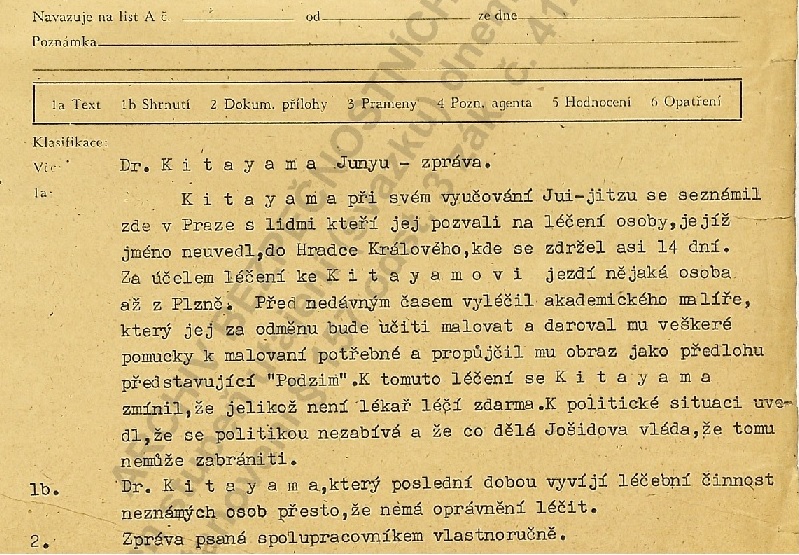
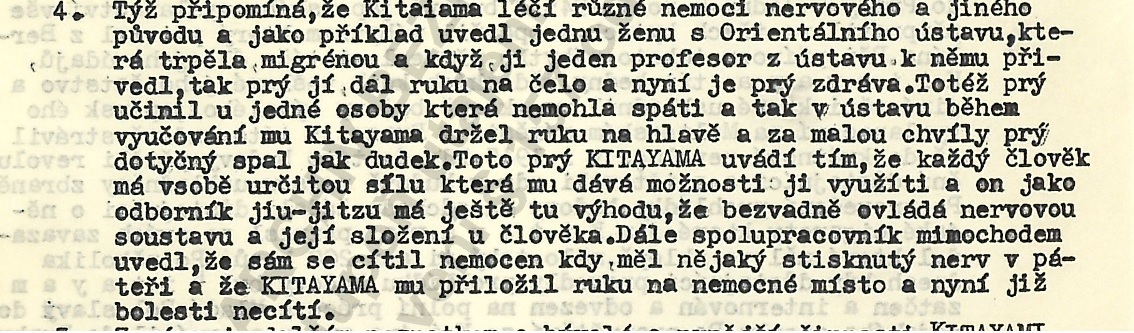
The memory of Mrs Dobromila Doubková in the healing of Vladimir Lorenz:
Vladimir had about five jaundice in a short period of time, somewhere around 1956, I don't know exactly. It was such a time of high yellow hair, I remember from kindergarten that we had everything from chloramine and bandaged doorknobs of rags soaked in chloramine.
and his body was severely weakened from the concentration camp, and even after that lack of nutrition, they caught on to him, the jaundice.
And one thing on Urlichak is the square in HK, even collapsed on the street. They took him away, and they found such high values that it was final. He was sent to the KV for treatment where they sent people who were already in very bad shape, the final one.
Well, Mr. Kitayama intervened. "Lorenz, um, we have to do something about that, hm."
He said that he was like this when he thought of something, um.
And he made a mox of burnt herbs on his leg and hands. That's where Vladimir had the burn scars. On your hand on the back of your hand between your fingers, index finger and thumb. And on my leg, I think of an ankle from the inside.
When he arrived in the Vars, they compared them to HK's and twisted their heads that there was some mistake that those tests weren't bad at all.
Then Vladimir ate normally, only the cucumbers he misdigested.
I don't think he's helped him fight the many consequences of concentration and subsequent persecution by a communist.
Original wording of this section · 2018
Jak bylo již zmíněno, pan Kitajama ovládal kuacu. Toto byl jen zlomek jeho uzdravovacích znalostí. Dle informací pamětníků též pomáhal lidem svým léčením pomocí způsobů orientální medicíny (práce s energií, moxování a jiné). O tom, kde se naučil tyto techniky není nic známo, lze jen předpokládat, že během studií v mládí v Japonsku. Ve svazku STB je také několik zmínek o léčitelských schopnostech pana Kitajamy.
Zde je několik takovýchto zmínek:
Vzpomínka paní Dobromily Doubkové na léčení Vladimíra Lorenze:
Vladimír prodělal asi pět žloutenek v krátkém období po sobě, někde v těch letech kolem roku 1956, nevím přesně. To byla taková doba velkého výskytu žluotenek, sama si pamatuji ze školky že jsme měli vše od chloraminu a ovázané kliky hadry namočenými v chloraminu.
a jeho tělo bylo z koncentráku a i následně nedostatečné výživy značně oslabeno a tak se ho chytaly, ty žloutenky.
A jedno se na Urlicháku to je náměstí v HK, na ulici dokonce zhroutil. Odvezli ho a zjstili tak vysoké hodnoty, že to bylo na konečnou. Poslali ho na léčení do KV kam posílali lidi, kteřiíbyli už na tom moc špatně, konečná.
No a zasáhl pan Kitajama."Lorenz, hm, s tím musíme něco udělat, hm."
on prý takhle pomrukoval, když se nad něčím zamýšlel hm.
A provedl moxu ze zapálených bylin na noze a na ruce.Tam měl Vladimír jizvičky po popálení. Na ruce na hřbetu ruky mezi prsty ukazovák a palec. A na noze myslím nad kotníkem z vnitřní strany.
Když přijel do Varů, tak po nových odběrech krve je srovnávali s těmi z HK a kroutili hlavami, že došlo k nějakému omylu, že ty testy nejsou vůbec špatné.
Vladimír pak jedl normálně, jen okurky syrové špatně trávil.
Vůbec si myslím, že mu pomohl poprat se s mnohými důsledky koncentráku a následné persekuce komunisty.
Quotations
- "Fear is a disease of the soul, you must get rid of it."
- "The greatest enemy of every man's career is his own laziness."
- "If only the people and nations had expanded their horizons by mutual knowledge, and opened a wide-open canopy into the world in their hearts to destroy China out of hate and selfishness that separates the peoples and nations of our hard tried century! Then a true free humanity would be born, and an internal understanding of the West and the East would bear its fruit. " Junyu Kitayama: Art of the Far East and its speciality, New Orient. Vol. 2, No. 8 (1947)
- Vladimir Lorenz remembers Kitayama: "He was the first person I met who didn't lie to me. He always said, "Lorenz, remember what you say, do it! Never contradict what you say and do. That always leads to destruction. "
Original wording of this section · 2018
- "Strach, to je nemoc duše, musíte se jí zbavit."
- "Největším nepřítelem kariéry každého člověka je jeho vlastní lenost."
- "Kéž by si lidé a národy rozšiřovali vzájemným poznáním své obzory a ve svých srdcích otevřeli dokořán okan do světa, aby zbořili čínskou ze%d nenávisti a sobectví, která odděluje lidi a národy našeho těžce zkoušeného století! Pak by se zrodilo opravdové svobodné lidství a vnitřní dorozumění Západu a Východu by neslo své plody." ( závěrečný odstavec z článku Dr. Džunju Kitajama: Umění Dálného východu a jeho zvláštnosti, Nový Orient. Vol. 2, No. 8 (1947) )
- Vladimír Lorenz na Kitajamu vzpomíná: „Byl to první člověk, na kterého jsem narazil, který mi nezalhal jediné slovo. Vždycky říkal: Lorenz, pamatuj si: Co říkáš, to čiň! Nikdy nebuď v rozporu s tím, co říkáš a děláš. To vždycky vede do zkázy."
Teaching in Germany
An annual report on Kitayama’s work in 1940–1941
The 日独文化協会 report for fiscal Shōwa 15 (1940), section B, printed p. 2, image 6, calls Kitayama deputy head of the Japan-Institut in Berlin. It reports the award of the title Honorar-Professor on 27 September in Hitler’s name, and teaching at Marburg from the January third trimester. The year 1940 agrees with the decree already preserved in this archive and the university staff directory. This title is distinguished from an ordinary full professorship.
Four teaching subjects are listed: forms of Japanese religion, beginning with Shinto; an introduction to East Asian cultural history; an East–West philosophy seminar interpreting the Yijing; and Japanese language. The report also describes leadership of the East Asian section of the religious studies institute. Its promotional language is distinguished from the account of institutional roles.

NDL · 1037774 · 6 · Universität Marburg · Personalverzeichnis · p. 21
(Source: Dr. Jun'yu Kitayama, a Japanese language teacher (focused on his time in interwar Germany) Yoshimi Ogawa, Yokohama National University), Czech translation of the work is here document in Czech translation
Kitayama has been active since 1929 at the University of Frankfurt, where she teaches Japanese and Eastern culture
Sylabus University in Frankfurt (summer semester r. 1932)
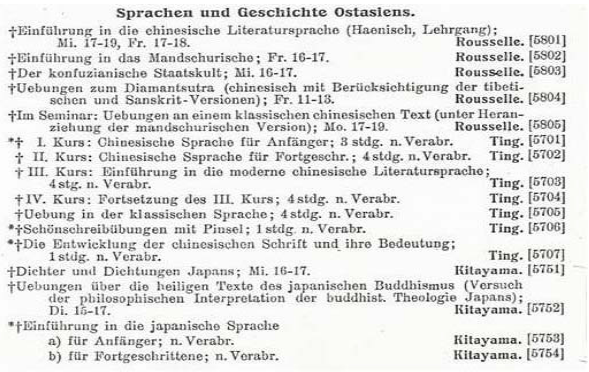
- Kalender der deutschen▁Universitaten und Hochschulen ,▁Winter Semester, 1932-1933 (source: http://dlibra.bibliotekaelblaska.pl/Content/53151/010208-1932-112.pdf) -▁page 69,▁Faculty of Philosophy▁at the University of Frankfurt
— Junyu Kitayama, d. shall be d. Capitalism and his crisis in the Femoston lp.; mysticism and The religion of salvation. 2p.; Introduction in d. jap. Spr. f. Anf. 2g; f. Fort. g.
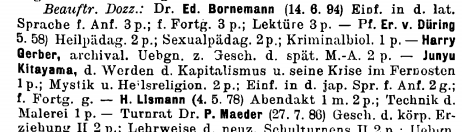
Since 1936 Kitayama has been operating in Berlin at the Japanese Institute
Topics of lectures at the Japanese Institute in Berlin
- (since autumn 1938)
"Japanese figurative art," "The Art of Japanese Gardens," "Poetry and Poets of Japan," "Japan - the world power in East Asia," "Japanese worldview and current situation," "Japanese soul and current situation," "Truth about worldopinion in East Asia," "Truth about changing things in China."
- (1942 - 43)
"The fighting spirit of the Japanese nation," "Japanese state ideology," "The birth of Japanese power," "The process of Japan's national development," "Basic concepts of Japanese history interpretation," "Artistic elements in Japanese life," "Japanese ordinary day," "Bushido" and lecture "Japan - a world power in East Asia," which achieved dozens of repetitions.
From the names of lectures, it can be concluded that this was a wake-up call designed to grasp typically Japanese characteristics and Japanese spirit and impress the German mind at the time. The image of Japan was created by stressing the imperial system as a system in accordance with then state policy, emphasizing bushido and state ideology. The spiritual culture of Japan should have penetrated Germany through literature, bushido, art, etc.
According to the Embassy of Japan in Berlin, visitors were around 50 people, with extensive participation of up to 700 people.
- Since 1940 at the University of Marburg, he has been teaching an "East Asian culture and religion" class in Eastern Culture.
Original wording of this section · 2018
(zdroj: Přínos dr. Džun’jú Kitajamy, učitele japonského jazyka, (zaměřeno na období jeho pobytu v meziválečném Německu) Jošimi Ogawa, Jokohamská národní univerzita ), český překlad práce je zde dokument v českém překladu
Kitajama působí od roku 1929 na univerzitě ve Frankfurtu, kde učí japonštinu a východní kulturu
Sylabus univerzity ve Frankfurtu (letní semestr r. 1932)
- Kalender der deutchen Universitaten und Hochschulen , Winter Semester, 1932-1933 ( zdroj: http://dlibra.bibliotekaelblaska.pl/Content/53151/010208-1932-112.pdf ) - strana 69, Filozofická fakulta Univerzita ve Frankfurtu
— Junyu Kitayama, d. Werden d. Kapitalismus u. seine Krise im Femoston lp .; Mystik u. Heilsreligion. 2p.; Einf. in d. jap. Spr. f. Anf. 2g.; f. Fortg. g.
Od roku 1936 Kitajama působí v Berlíně na Japonském Institutu
Témata přednášek na Japonském Institutu v Berlíně
- (od podzimu 1938)
„Japonské figurativní umění,“ „Umění japonských zahrad,“ „Poezie a básníci Japonska,“ „Japonsko – světová velmoc ve východní Asii,“ „Japonský světonázor a aktuální situace,“ „Japonská duše a aktuální situace,“ „Pravda o světonázoru ve východní Asii,“ „Pravda o změně věcí v Číně.“
- (1942 - 43)
„Bojechtivý duch japonského národa,“ „Japonská státní ideologie,“ „Zrození japonské velmoci,“ „Proces národního vývoje Japonska,“ „Základní koncepty interpretace japonských dějin“, „Umělecké prvky v životě Japonců,“ „Japonský běžný den,“ „Bušidó“ a přednáška „Japonsko – světová velmoc ve východní Asii,“ která dosáhla řádově desítek opakování.
Z názvů přednášek lze usoudit, že šlo o osvětu, jejímž cílem bylo uchopit typicky japonské charakteristiky a japonského ducha a zapůsobit na tehdejší německou mysl. Obraz Japonska byl vytvářen zdůrazňováním císařského systému jakožto systému v souladu s tehdejší státní politikou, kladením důrazu na bušidó a státní ideologii. Duchovní kultura Japonska měla proniknout do Německa skrz literaturu, bušidó, umění, apod.
Podle Velvyslanectví Japonska v Berlíně byla návštěvnost kolem 50 lidí, při hojné účasti až 700 lidí.
- Od roku 1940 na univerzitě v Marburgu vyučuje v rámci semináře východní kultury předmět „kultura a náboženství východní Asie.“
Teaching Japanese in Czechoslovakia
Kitayama taught Japanese and introduced Japanese culture to his pupils in Germany. However, after his arrival in Czechoslovakia also.
There are documents and information about Mr Kitayam (according to the employee of the archive by Ms Jana Ratajová, in the archive fund of the Curator of German Higher Education in Prague), there should also be information on "Institut für Erforschung und Vermittlung der Kultur - und Geistesgeschichte Ostasiens' (Institute for the Study and Teaching of the Cultural - and Intellectual History of East Asia), which was supposed to lead Kitayama at UK since 1944.
Since 1946 he served as a Japanese teacher in the Prague Oriental Institute and later worked at the State Language School. In STB files there is a list of pupils who attended these classes at the Oriental Institute (around 1950) - e.g. Miroslav Novák, Dr.Kautský, J. Shack, Dr. Bearky. Palate, Libuše Boháčková. Kitayama was the only Japanese tutor in Czechoslovakia in the post-war years. In 1951 he even held a seminar at Charles University. However, it is not clear whether he worked there afterwards.
Several documents from 1957 and 1960 have been preserved in the estate of Vladimir Lorence, which reveal more information (evaluation of teaching by pupils, order of Japanese dictionaries and literature).
Miroslav Novák was allegedly very influenced by Kitayama (according to Kumiko Kanazashi, the source of the benefit of Dr. Jun'yu Kitayama, a Japanese language teacher (focused on his time in interwar Germany) Yoshimi Ogawa, Yokohama National University), so apparently he decided to become a teacher for this.
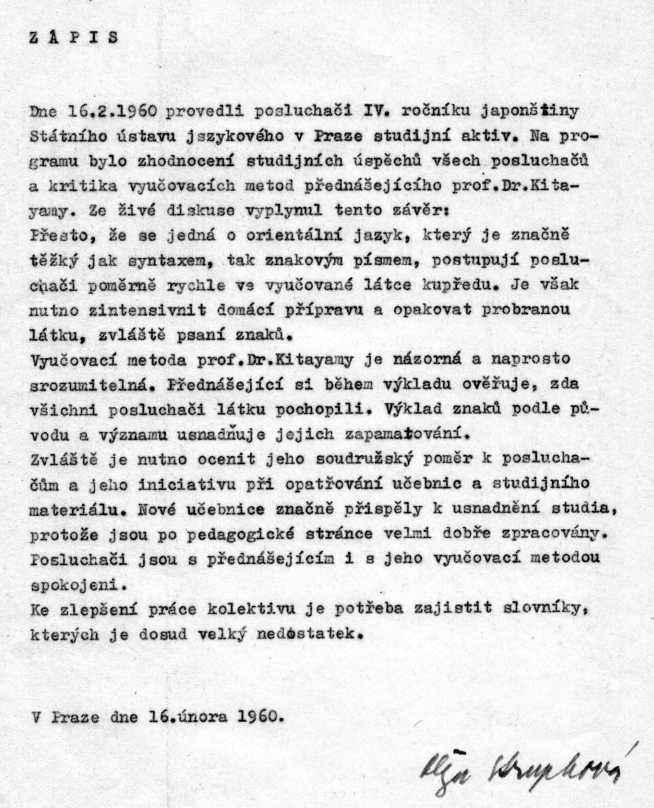

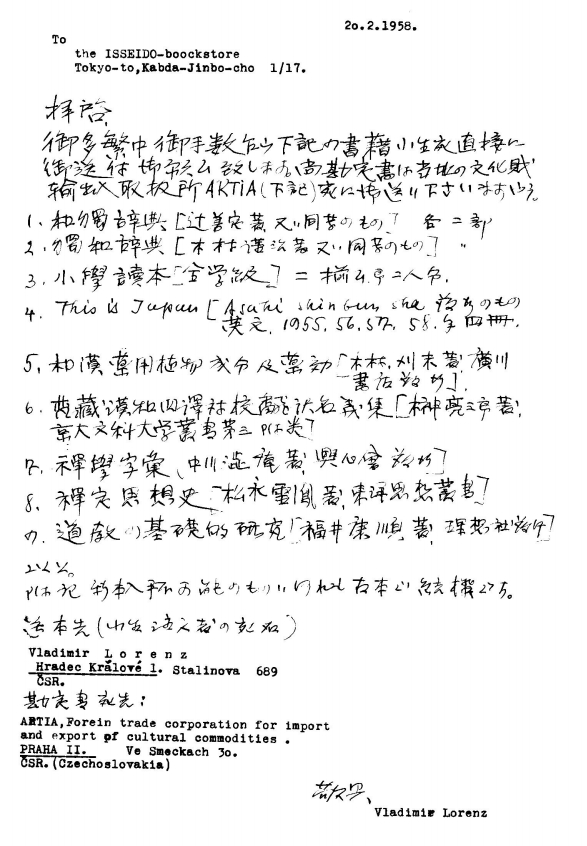
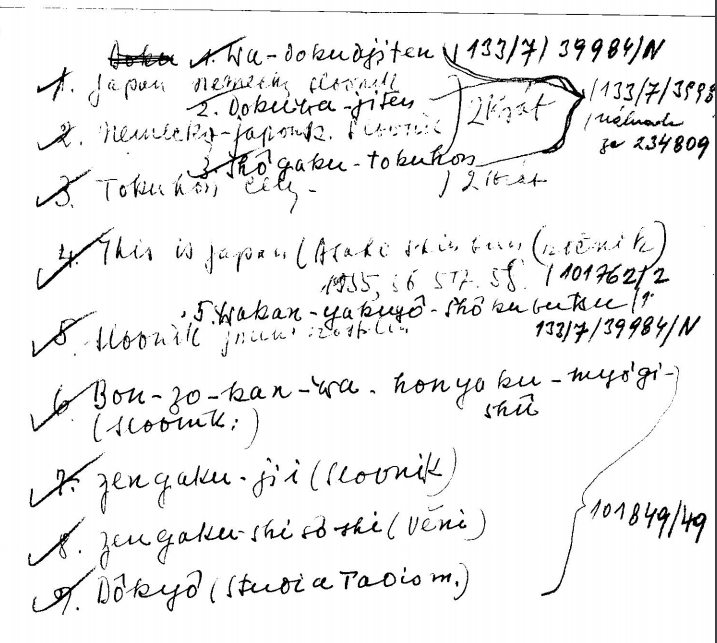
List of Japanese students from 1950 who attended a teaching in the Oriental Institute, for example Miroslav Novák (later known Czech Japanese and translator), Libuše Boháčková (later famous Czech Japanese and translator, curator of Japanese collections in Náprstková Museum), Jaroslav Baríka (Czech Korean).
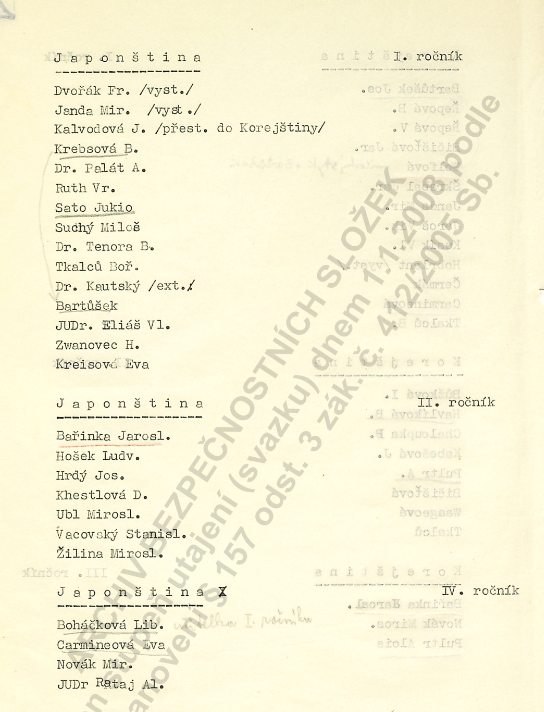
Original wording of this section · 2018
Kitajama učil japonštinu a představoval svým žákům japonskou kulturu již v Německu. Nicméně po svém příchodu do Československa taktéž.
V badatelně Ústavu Archivu Karlovy Univerzity jsou dokumenty a informace o panu Kitajamovi (dle zaměstnankyně archívu paní Jany Ratajové jsou v archivním fondu Kurátor německých vysokých škol v Praze), tam by měly být informace též k "Institut für Erforschung und Vermittlung der Kultur - und Geistesgeschichte Ostasiens" (Ústav pro studium a výuku kulturní - a intelektuální historie Východní Asie), který měl od roku 1944 Kitajama na UK vést
Od roku 1946 působil v Praze Orientálním ústavu jako učitel japonštiny a později působil na Státní jazykové škole. Ve spisech STB je seznam žáků, kteří navštěvovali tyto hodiny v Orientálním ústavu (kolem roku 1950) - např. Miroslav Novák, Dr.Kautský, J. Bařinka, Dr. Palát, Libuše Boháčková. Kitajama byl v poválečných letech jediný japonský lektor v Československu. V roce 1951 vedl dokonce seminář na Karlově univerzitě. Nicméně není jasné, zda tam působil i posléze.
V pozůstalosti pana Vladimíra Lorence se dochovalo několik dokumentů z roku 1957 a 1960, které poodhalují více informací (hodnocení výuky od žáků, objednávka japonských slovníků a literatury).
Miroslav Novák byl údajně Kitajamou velmi ovlivněn (podle Kumiko Kanazaši, zdroj Přínos dr. Džun’jú Kitajamy, učitele japonského jazyka, (zaměřeno na období jeho pobytu v meziválečném Německu) Jošimi Ogawa, Jokohamská národní univerzita), takže se zřejmě kvůli tomu rozhodl stát učitelem.
Seznam studentů japonštiny z roku 1950, kteří navštěvovali výuku v Orientálním ústavu např. Miroslav Novák (později známý český japanolog a překladatel), Libuše Boháčková (později známá česká japanoložka a překladatelka, kurátorka japoských sbírek v Náprstkové muzeu), Jaroslav Bařinka (český koreanista).
Teaching judo
New photographs and reports of judo teaching
Three posts by the archive editor from February and March 2021 add photographs of judo and self-defence teaching in Czechoslovakia. The date “195x” is approximate. They include a group of course participants and preparation of a training area with sand instead of mats.
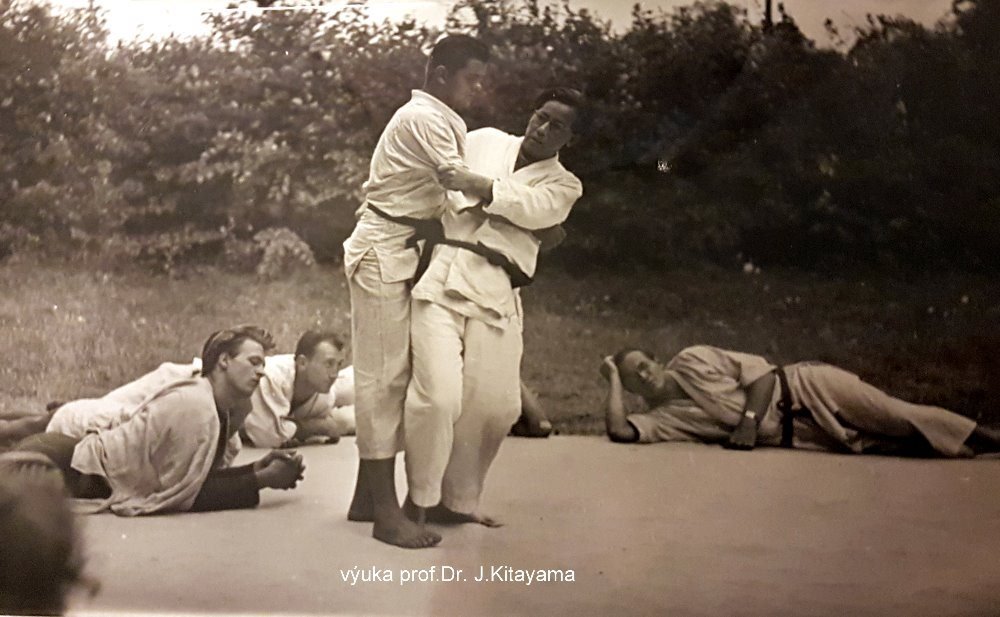

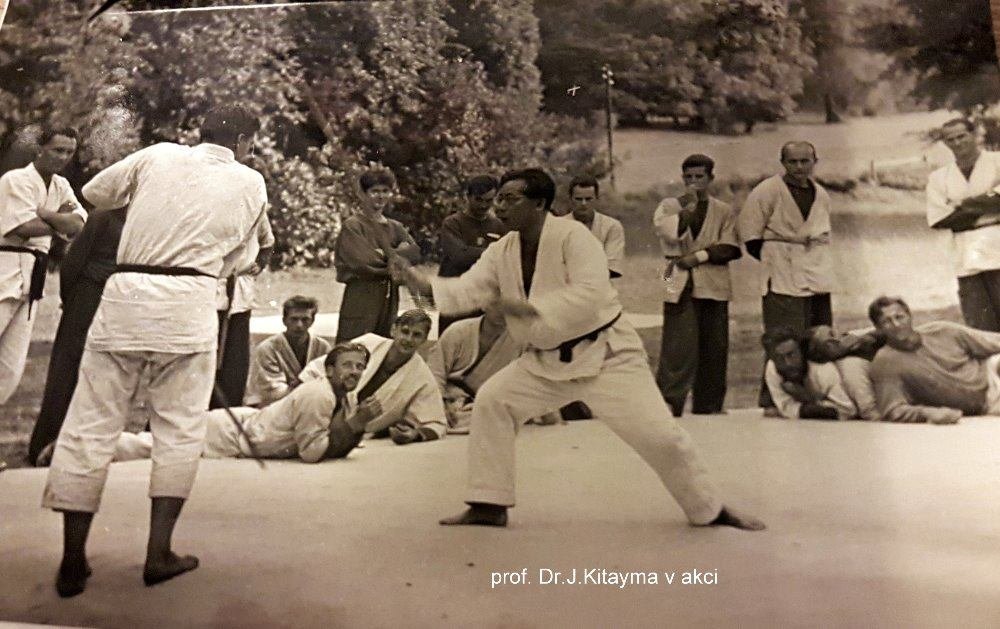


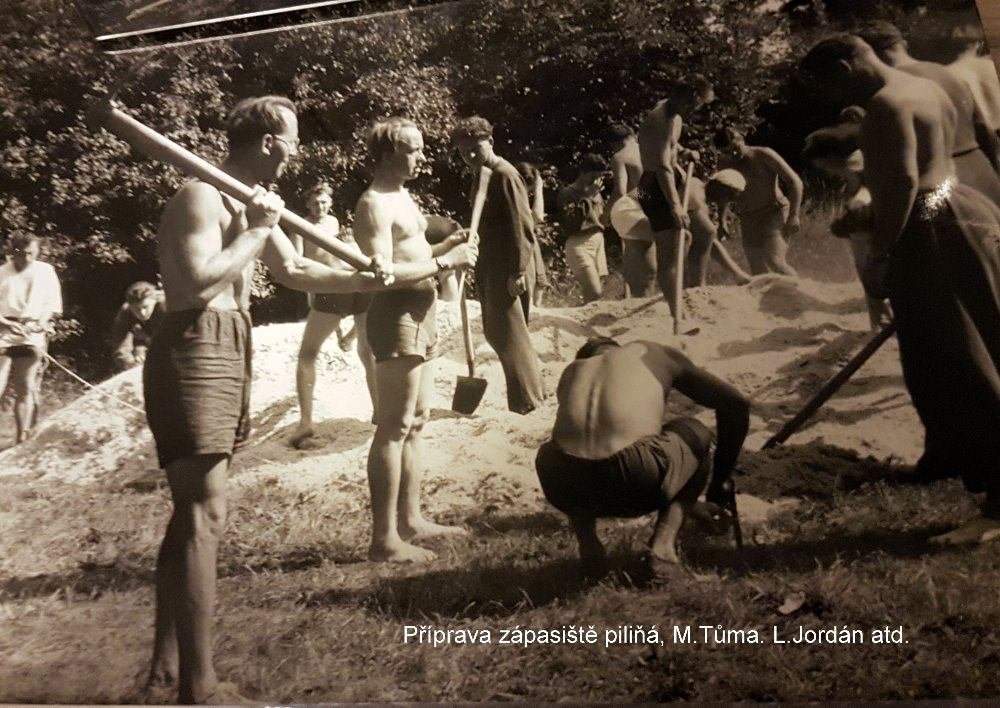
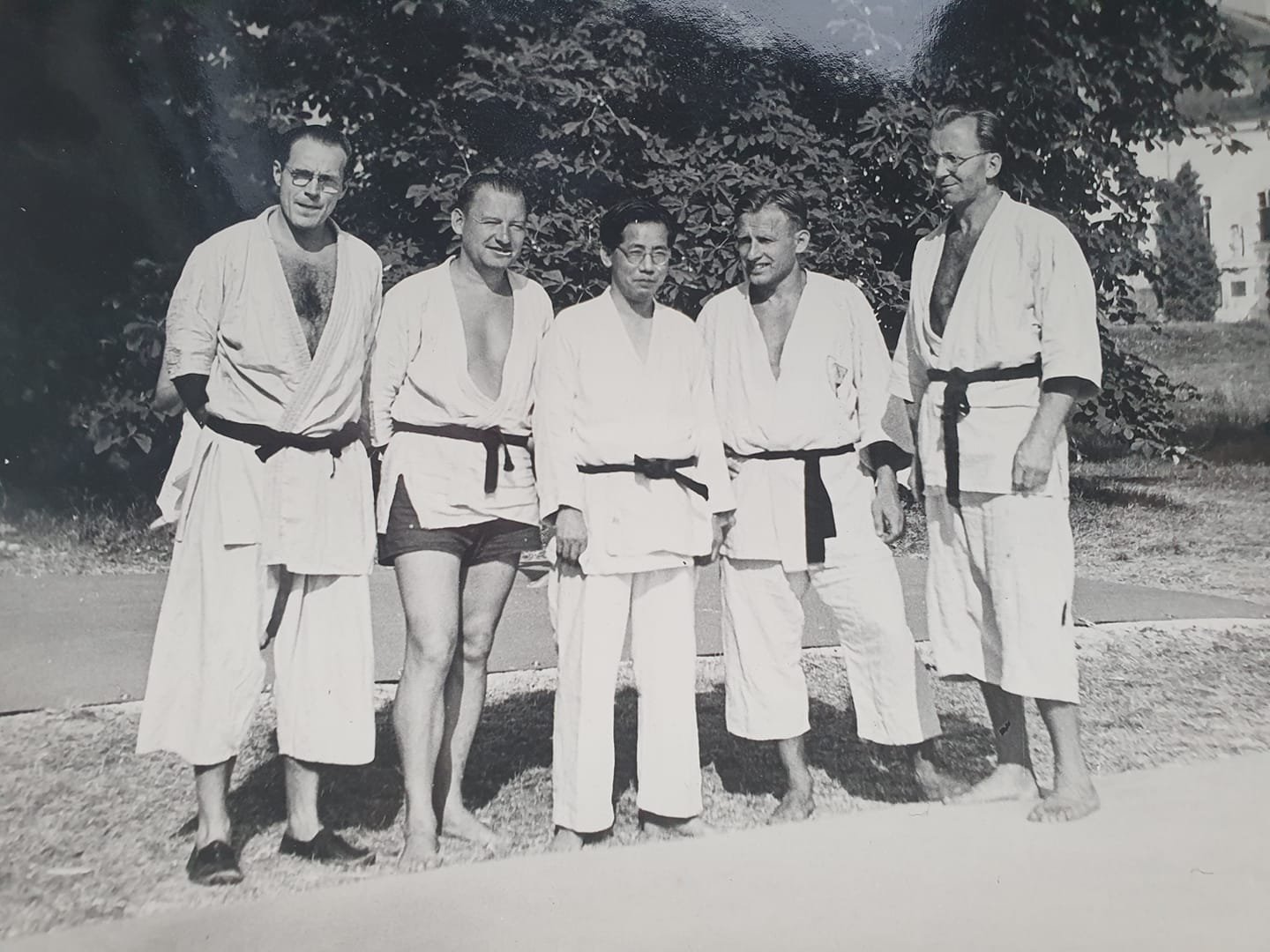
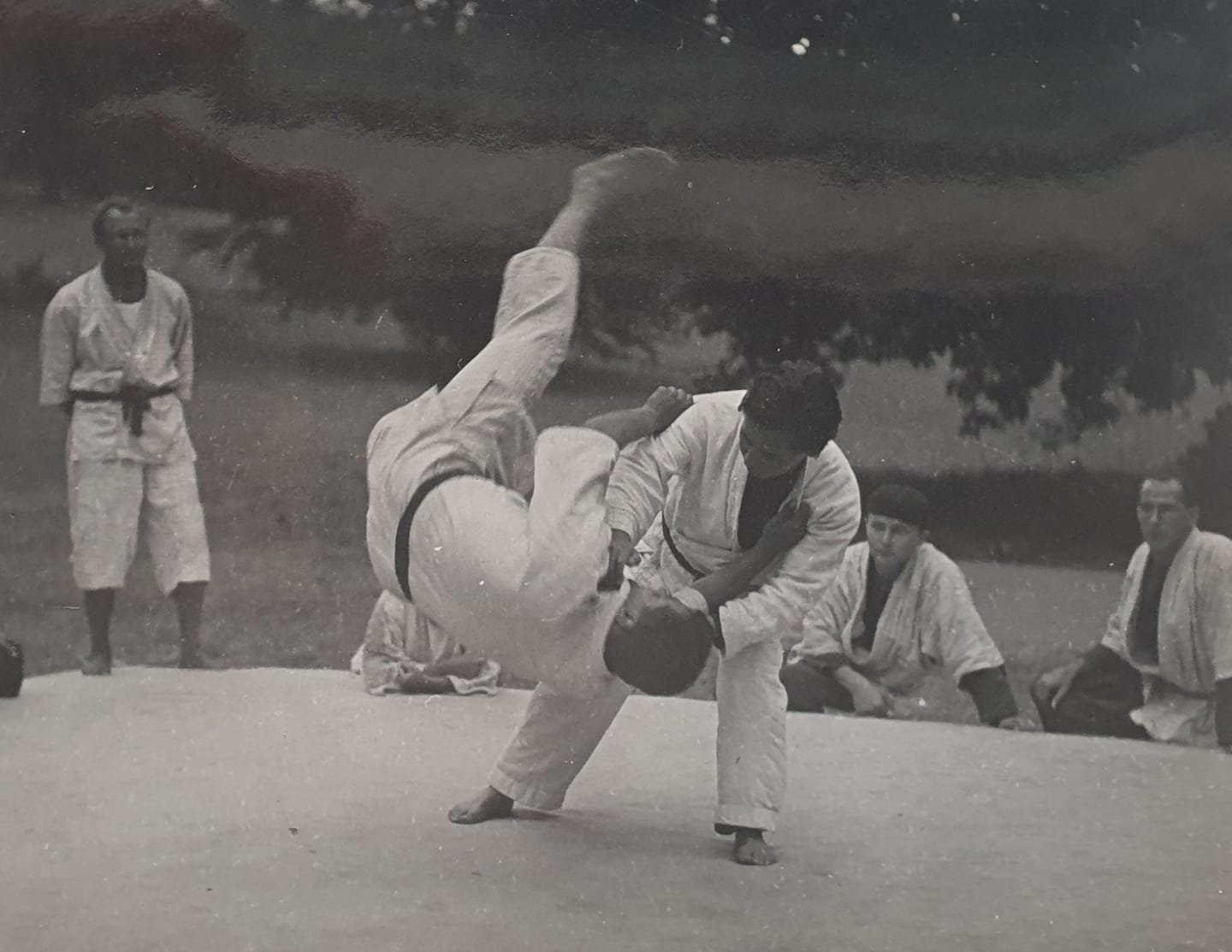
@kokkidojo1 · 1365579858743558144 · @kokkidojo1 · 1365580364668928001 · @kokkidojo1 · 1366304686425399297
A Japanese visit to Pilsen — Pravda, 5 September 1946
The report describes Kitayama’s visit to AC Jiu-jitsu in Pilsen and instructor training during the preceding week. It mentions a discussion with chairman Otto Zavázal and the work of coach Václav Vávra. It documents teaching in Pilsen as early as 1946; the newspaper date is not the exact date of the visit.
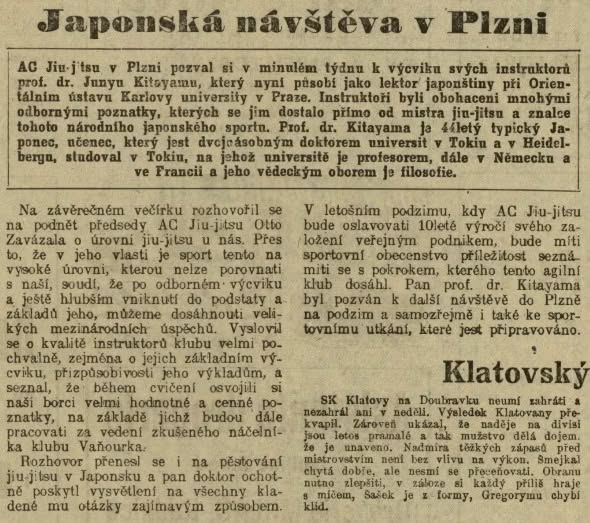
As I mention above in literature or articles in magazines from 1950 - 1960 dedicated to judo or self-defense through judo, the name of Mr Kitayam is often mentioned. As a member of the Czechoslovak village, Sokol taught among Judicists and above all Judicists from the Sokola of Czechoslovakia judo. His influence is now rather forgotten, but the magazine articles below show that post-war times played an important role in the rise of the level of judo in Czechoslovakia.
Kitayama tried to pass on the technique and philosophy of Judo and took care of the proper control of the foundations of judo.
Kitayama and Exercise in the Club Prague
According to the memory of the memoirs, Mr. Kitayama sometimes attended the Juda Club in the Marathon, where jud gentlemen like Karel Zbobek and Vladimir Lorenz trained. During training he spoke good Czech, was smiling, human, always in a good mood and never complained about anything. From his personality radiated peace, perspective and inner strength, which manifested itself in the way he spoke with a calm voice.
Mr. Kitayama was a small figure about (158 cm, 63kg) and his favorite techniques included techniques from the Goshi waza groups (flaps with hips) and Ashi waza. He didn't use Sutemi waza techniques much. He was also strong in the techniques of fighting on the ground, where he said he did not squeeze his opponent but held and liked to cross and combine techniques (possession, strangulation, paddling).
In the struggle in attitude, it was remembered that he grabbed his opponent slightly, but during precise deflection his great strength of wrist and forearm worked very strongly, which gave a great dynamic of his deflection. He emphasized the combination of techniques and not returning from failed techniques, but continuing to attack with another technique. Emphasis was also placed on the precise technique of moves and also in particular on making a deflection of the opponent out of balance.
After the exercise, mokusó (concentration in seiza) was carried out and those who interrupted during the exercise were referred to for several minutes to the corner of the gym where they sat in seiza and looked at the wall, as is the Zen dojo on zazen. So there was a need to calm down. The exercises under his leadership were otherwise very strenuous, there was nothing exceptional when the individual lost 2.5 kg during the training. At the end of training, people weighed regularly.
It was much strengthened to build a strong and resilient body and train with teachers (series of moves) in both sides, randori (training struggle), also kata and the use of judo techniques in self-defense situations. Sometimes Mr Kitayama also taught the basics of Kenjuc (Japanese fencing).
During training he often showed his control of the techniques of judo known as kuacu (resuscitation, health science). He was said to have mastered this and was able to help effectively in various injuries from training (dislocation, smashing, distorting, breathing). (drawn from information from an interview with Mr Václav Germans from České Budějovice, who at the time studied in Prague and practiced judo)
Kitayama and Judicists of Hradec Králové
Another reference as a jud teacher can be found among the judges of Sokola Hradec Králové where by 1959 his pupil Vladimir Lorenz worked. At his invitation, Mr Kitayama took part in a regular summer 14-day camp at the local light athletic stadium and promised Lorenzo cooperation in the area of psychic preparation of Eastern philosophy associated with application as part of practical demonstrations on tatami. Between the division and the professor. Kitayama developed close cooperation and largely influenced the technical growth of Hradec judo.
Professor Kitayama was called "Kitka," with all due respect, became a number of members close to him and helped the development of judo in Hradec Králové.
Mrs. Dobromila Doubková remembers Mr. Lorenz's story:
Mr. Kitayama was brought to Hradec Králové by Mr Lorenz. He arrived regularly once a month and practiced on Saturdays after work and Sundays. They met in the gym on Saturday afternoon - it was still working on Saturday, and they practiced. Then the professor slept somewhere at night - but I think it was with Lorenzo, because this results from various greetings in letters to Vladimir's family, and they were practicing again on Sunday.
They had lunch at the Grand at noon, which was a nice, first-class hotel where the castle's elite used to go for coffee, and then after lunch he'd tell them about two hours before they went blind and practiced again.
It is similar to that of Mr René Cindina.
He also mentioned that Kitayama was the first to explain Judistic techniques in the same way and on similar principles - breaking the opponent's balance, getting into a move, throwing the opponent. Until then, Czech teachers of judo have always taught technicians as they have heard in some seminar abroad - at Kitayama it was different, always with the same insight knowledge. Kitayama to Hradec Králové came in the time after the war when there was nothing on the radio only building songs and fulfilling a plan of 110%.
And all of a sudden, there was this guy who said different things. He was talking about an overlap in the sense of judo exercises in a broader context, which, given the time, was something that was very attractive. He also remembers that Kitayama taught them autogenic training, which he said he didn't make up until he was in college on a somersault. Kitayama was very careful about what he told and how. He never spoke to them about his imprisonment in Czechoslovakia, so they didn't even know it. He spoke a nice Czech (he said prewar), but it was difficult to pronounce r.
Letter from the masters of Tůma and Šíma from the Czechoslovak village of Sokolský from the Institute of Jiujitsu in January 1950, inviting him to further cooperate in conducting training at Tyrše's house and to continue on the upcoming manual of jiujitsu (from the archive STB volume H _ 137)
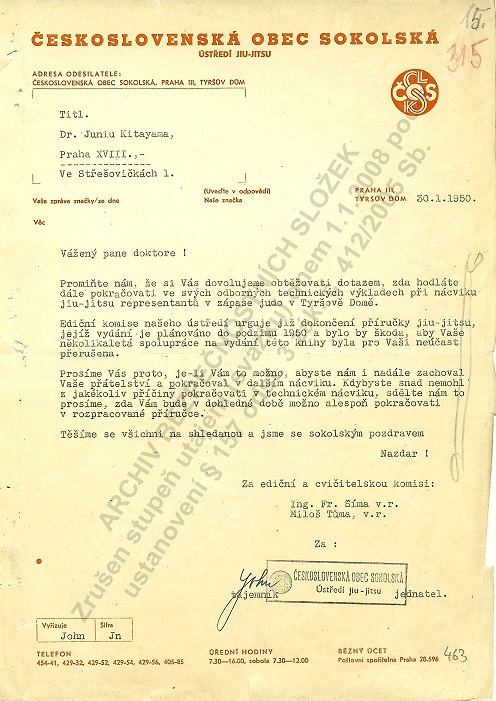
Here is a paper on the bill for Kitayama series of lectures judo for instructors from 1955 in Hradec Králové (document by Mrs. D.Doubková from estate to Vladimir Lorenzo)
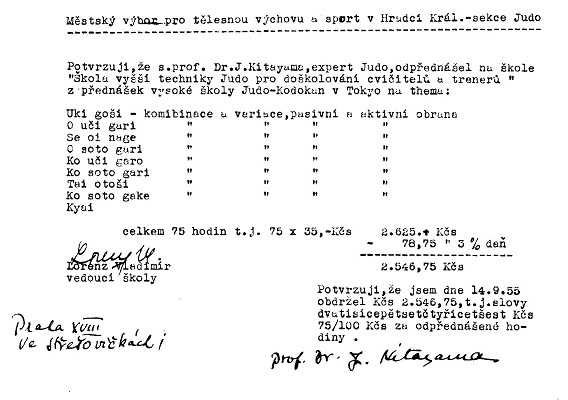
Original wording of this section · 2018
Jak zmiňuji výše v literatuře či článcích v časopisech z let 1950 - 1960 věnující se judu nebo sebeobraně pomocí juda, je mnohdy zmiňováno jméno pana Kitajamy. Jako člen Československé obce sokolské učil mezi judisty a především judisty ze Sokola z Československa judo. Jeho vliv je dnes spíše zapomenutý, nicméně níže zvěřejněné články z časopisu dokazují, že poválečné době sehrál významnou roli vzestupu úrovně juda v Československu.
Kitajama se snažil se předávat techniku i filozofii juda a dbal na správné zvládnutí základů juda.
Kitajama a cvičení v klubu VŠ Praha
Dle vzpomínek pamětníků navštěvoval pan Kitajama občas tréninky juda klubu VŠ Praha v domě Maratón, kde cvičily veličiny juda pánové jako Karel Zrůbek a Vladimír Lorenz a další. Při trénincích hovořil dobrou češtinou, byl usměvavý, lidský, vždy s dobrou náladou a nikdy si na nic nestěžoval. Z jeho osobnosti vyzařovaly klid, nadhled a vnitřní síla, jenž se projevovala na způsobu, kterak klidným hlasem hovořil.
Pan Kitajama byl malé postavy cca (158 cm, 63kg) a mezi jeho oblíbené techniky patřily techniky ze skupin Goši waza (přehozy pomocí boků) a Aši waza (podmety). Techniky Sutemi waza (strhy) moc nepoužíval. Taktéž byl silný v technikách boje na zemi, kde prý soupeře nemačkal, ale držel a velmi rád přecházel a kombinoval techniky (držení, škrcení, páčení).
V boji v postoji bylo vzpomínáno, že uchopoval soupeře lehce, ale při precizním vychýlení velmi důrazně působila jeho velká síla zápěstí a předloktí, což dávalo velkou dynamiku jeho vychýlení. Kladl důraz na kombinaci technik a nevracení se z neúspěšné techniky, ale pokračování v útoku další technikou. Důraz byl také kladen na precizní techniku chvatů a také zejména na provedení vychýlení soupeře z rovnováhy.
Po rozcvičení se provádělo mokusó (soustředění v seiza) a ti kdo během cvičení vyrušovali, tak bývali odkazováni na několik minut do kouta tělocvičny, kde seděli v seiza a dívali se do zdi, podobně jako je to v zenových dódžó při zazenu. Tak docházelo k potřebného zklidnění. Tréninky pod jeho vedením byly jinak velmi namáhavé, nebylo nic výjimečného, když během tréninku jednotlivec shodil/vypotil 2,5 kg. Na konci tréninku se lidé pravidelně vážili.
Hodně se posilovalo, aby se vybudovalo silné a odolné tělo a cvičilo se učikomi (série nástupů do chvatů) v provedení na obě strany, randori (cvičný boj), také kata a použití technik juda v sebeobranných situacích. Někdy pan Kitajama učil také základy kendžucu (japonský šerm).
Během tréninků často v praxi ukazoval své ovládání technik juda známých jako kuacu (resuscitace, zdravověda). Toto prý mistrně ovládal a byl schopen účinně pomoci při nejrůznějších zraněních z tréninků (vykloubení, naražení, distorze, zaražení dechu). (čerpáno z informací z rozhovoru s panem Václavem Němcem z Českých Budějovic, který v té době v Praze studoval VŠ a cvičil judo)
Kitajama a judisté z Hradce Králové
Další zmínky jako o učiteli juda najdeme mezi judisty Sokola Hradec Králové kde do roku 1959 působil jeho žák Vladimír Lorenz. Na jeho pozvání se pan Kitajama účastnil pravidelného letního 14denního soustředění na zdejším lehkoatletickém stadiónu a přislíbil Lorenzovi spolupráci v oblasti psychické přípravy východní filosofie spojené s aplikací v rámci praktických ukázek na tatami. Mezi oddílem a prof. Kitajamou vznikla úzká spolupráce a do značné míry ovlivnila technický růst hradeckého judo.
Pan profesor Kitajama byl členy ve vší úctě zván „Kitka“, stal se řadě členů blízkým a napomohl rozvoji juda v Hradci Králové.
Paní Dobromila Doubková vzpomíná na vyprávění pana Lorenze:
Pana Kitajamu do Hradce Králové prý přivedl pan Lorenz. Přijížděl pravidelně 1x měsíčně a cvičilo se v sobotu po práci a v neděli.. V sobotu odpoledne se scházeli v tělocvičně - to se ještě v sobotu pracovalo, a cvičili. Pak večer někde pan profesor spal - ale to myslím, že bylo u Lorenzů, protože to vyplývá z různých pozdravů v dopisech rodině Vladimíra, a v neděli zas cvičili.
V poledne měli zadaný oběd v Grandu, což byl hezký,prvorepublikový hotel, kam chodívala hradecká smetánka na kávu, no a pak po obědě jim tak dvě hodiny povídal, než jim slehlo a zase cvičili.
Podobně vzpomíná i pan René Srdínko.
Také se zmínil, že Kitajama byl první, kdo judistické techniky vysvětloval vždy stejně a na podobných principech - zlomení soupeřovo rovnováhy, nástup do chvatu, hození soupeře. Do té doby čeští učitelé juda, vždy učili techniky tak jak, slyšeli na nějakém semináři v zahraničí - u Kitajamy to bylo jinak, vždy stejně s nadhledem znalosti věci. Kitajama do Hradce Králové přišel v době po válce, kdy nikde nic nebylo,v rádiu jen budovatelské písně a plnění plánu na 110 %.
A najednou přišel člověk, který vykládal úplně jiné věci. Povídal o přesahu smyslu cvičení juda v širších souvislostech, což vzhledem k době bylo něco, co bylo pritažlivé. Pan Srdínko také vzpomíná, že Kitajama je naučil autogenní tréning, to si prý srovnal, až při škole na kotrmelce. Kitajama byl velmi opatrný co a komu říká a jak. O svém věznění v Československu vůbec s nimi nemluvil, takže o tom ani nevěděli. Mluvil pěknou češtinou (prý predválečnou), nicméně mu dělalo problémy vyslovovat r.
Dopis od pánů Tůmy a Šímy z Československé obce sokolské z Ústředí jiujitsu z ledna roku 1950, vyzývající jej k další spolupráci k vedení tréninků v Tyršově domě a pokračování na chystané příručce jiujitsu (z archívu STB svazek H_137)
Zde je dokument o vyúčtování za Kitajamovo sérii přednášek judo pro instruktory z roku 1955 v Hradci Králové (dokument od paní D.Doubkové z pozůstalosti po Vladimíru Lorenzovi)
Further judo references
Research lead: 柔道 21(8), July 1950
NDL confirms the Kōdōkan journal issue 柔道 21(8), published in July 1950. The supplied summary reports a letter from Prague by Kitayama and an emphasis on practising throws on both sides. Neither the letter nor that technical statement could be verified from the catalogue, so the statement is not yet attributed to him as established evidence. Issue number 8 is not treated as the month of August.
- in the preface to the article Džigora Kana "DER BEITRAG DES JUDO ZUR ERZIEHUNG," "The contribution of juda to education" is mentioned by Alfred Rhoda as one of Japan's juice teachers in Germany (August 1932) http://www.tsv-altusried.de/fileadmin/user_upload/tsv-altusried.de/judo/downloads/Beitrag_des_Judo_zur_Erziehung.pdf
"Before the start of his first international judo summer school from 7-12". In August 1932 Alfred Rhode contacted the founder of Kodokan in Tokyo, Professor Jigoro Kano. He informed him that he intended to promote the technique of European judo by creating these courses held annually in the summer, including Japanese teachers such as Koizumi, Tarn, Ishiguro, Dr. Kitabatake, Otani, Dr Invite Kitayama and Hano Rhi.
He asked him to set out his principles and thoughts on judo in writing, in order to conduct the courses in this sense. Professor Kano then sent him the following contribution, which presents the basic features of judo so vividly that it can well be described as a philosophical guide to life.
- Kitayama as a participant in the summer school judo in Frankfurt am Main in 1932. April 8 led a lecture for participants on Japanese national sports Judo - Kendo - Sumo
Source: Lothar Nest Archive, Berlin
Judo Summer School 1932 in Frankfurt - "In addition, Dr. Kitayama, Frankfurt a.M., had made himself available for a lecture in an amiable manner." ... Monday 8 August - began the actual teaching operation. For a lecture by Mr. D.Kitayama on Japanese National Sports: Judo - Kendo - Sumo, the beginning of the first hour and a half hour was moved forward; at 9.30 am the course began with it.
Page 1 Page 2 Page 3 Page 4 - List of participants
- magazine Refusal-match jiu-jitsu, year 2 No. 8, August 1950, publisher Czech village sokolská / mention of the merits of Kitayama on composition of Czech test representatives at 1.dan
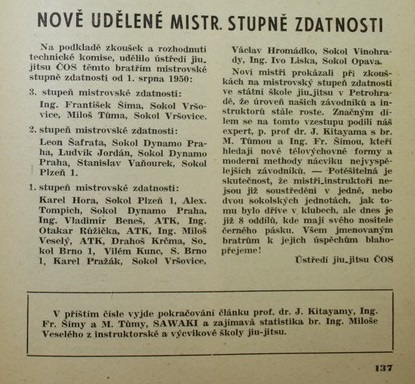
- magazine Resist-match jiu-jitsu, year 2 No.9, September 1950, publisher Czech village Sokol / cartoon series about the foundations of judo
- magazine Resist-match jiu-jitsu, year 2 no. 10, October 1950, publisher Czech village sokolská / cartoon series about the foundations of judo
- mention in the article Report on the school of regional instructors jiu-jitsu - magazine Refusal-match jiu-jitsu, year 3 No.9, September 1951, page 287, publisher Czech village sokolská
"The headquarters of the south-jitsu also contributed to the success of the school by asking for cooperation from an expert, dr. J. Kitayama, who came willingly and with the greatest dedication devoted to all the frequencies without distinction. Dr Kitayama, although a stranger who does not control our language perfectly, blended in with the school's collective in such a way that every listener considers him to be his friend and advisor. Thank you, Brother Professor! "
- magazine Resist-match jiu-jitsu, year 3 no. 11, November 1951, publisher Czech village sokolská
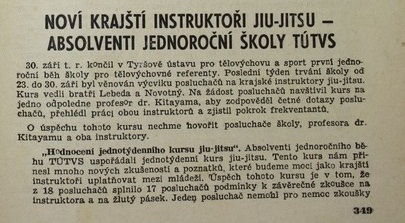

- magazine Refusal-match jiu-jitsu, year 4 No. 8, August 1952, publisher Czech village sokolská / report from the course of the Regional School of Trainers Jiu-jitsu from April 1952 held in Hradec Králové
- magazine Refusal-match jiu-jitsu, year 4 no. 10, October 1952, publisher Czech village sokolská / News from the central section
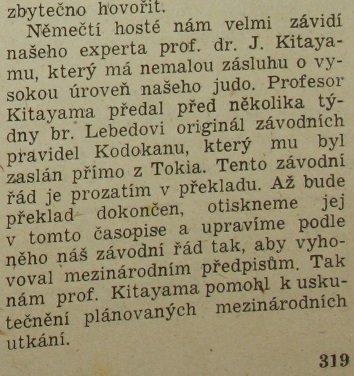
- The magazine Refusal-match jiu-jitsu, year 7 No.2, February 1955, publisher Czech village Sokolská / Rev A.A. Lebedy (National Team coach) about the European championship judo 1955, in the part about interviews with Japanese coaches juda tells that what Kitayama teaches them is consistent with what other Japanese teachers teach and publicly expresses tribute to Kitayam teaching and passed on Judistic knowledge
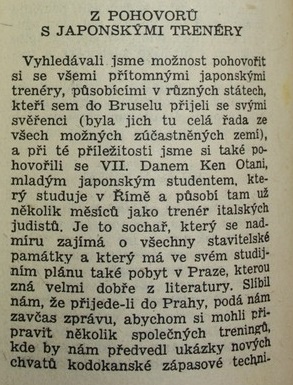
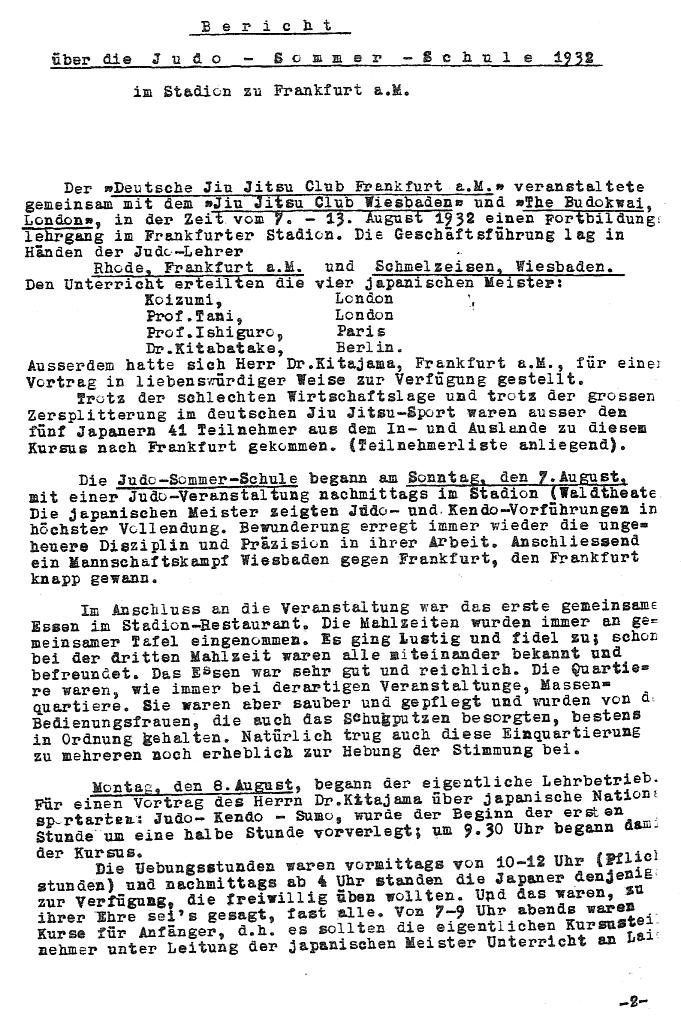
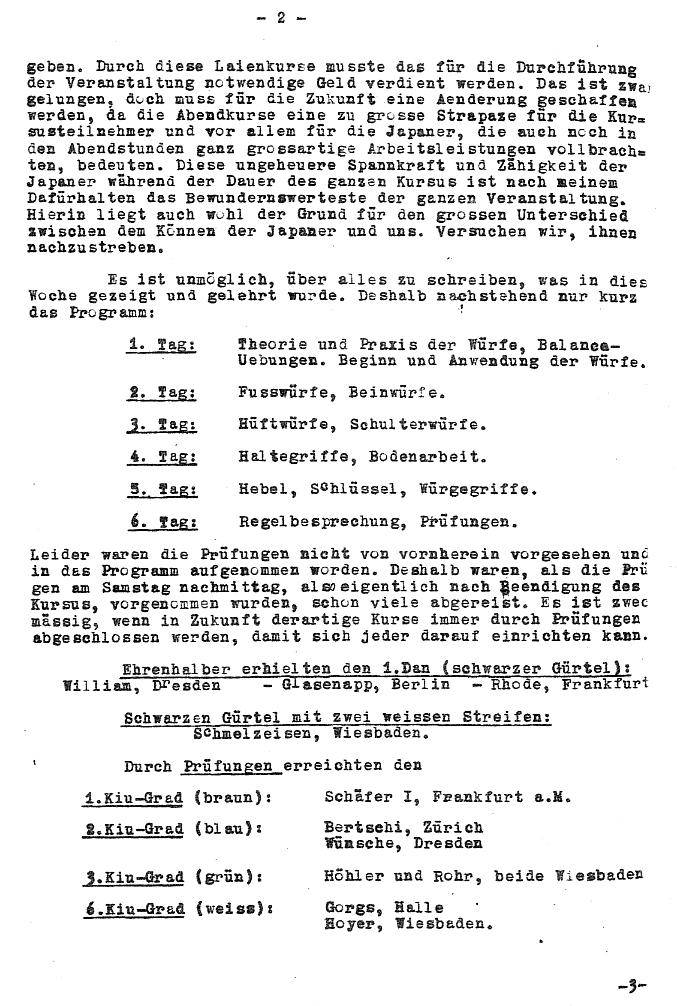
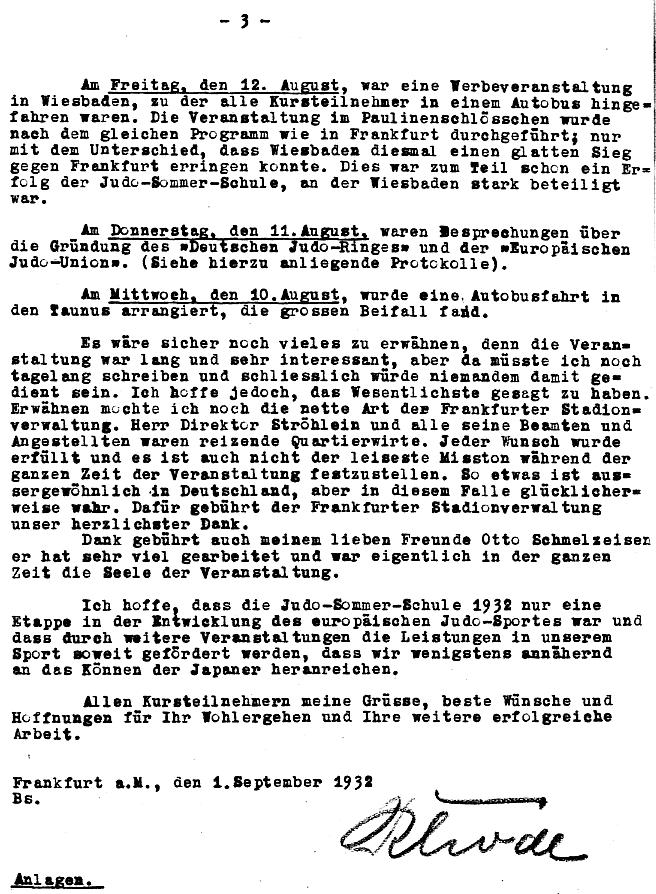
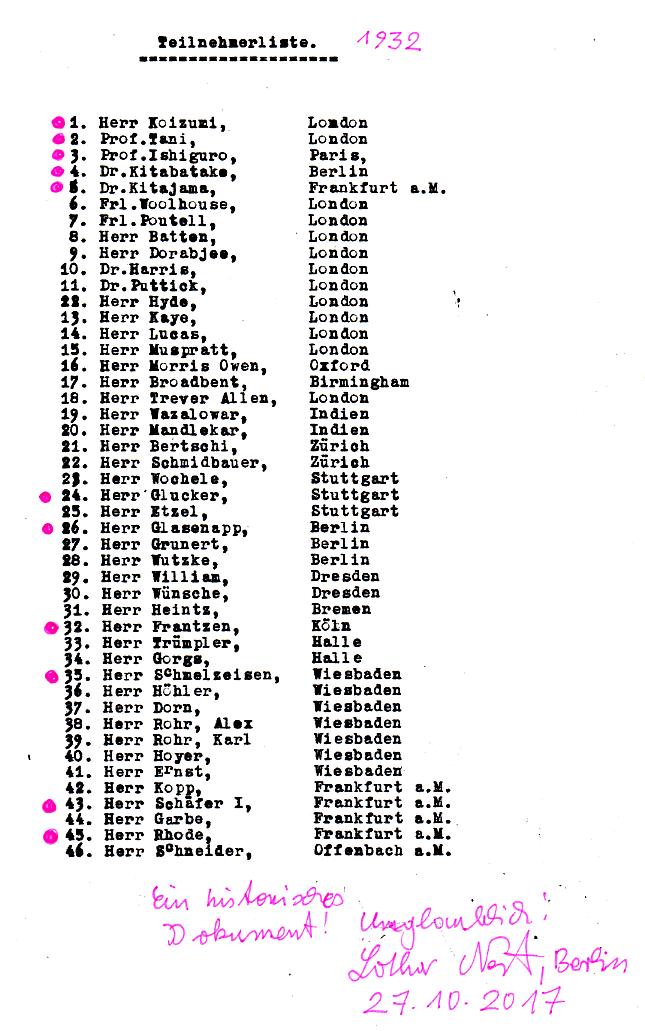
Further images from the original page


Original wording of this section · 2018
- v předmluvě k článku Džigora Kana „DER BEITRAG DES JUDO ZUR ERZIEHUNG", "Přínos juda ke vzdělávání" je Kitajama zmíněn Alfrédem Rhodem jako jeden z japonských učitelů džuda v Německu (srpen 1932) http://www.tsv-altusried.de/fileadmin/user_upload/tsv-altusried.de/judo/downloads/Beitrag_des_Judo_zur_Erziehung.pdf
"Vor Beginn seiner ersten internationalen Judo-Sommerschule vom 7.-12. August 1932 setzte sich Alfred Rhode mit dem Gründer des Kodokan in Tokio, Herrn Professor Jigoro Kano, in Verbindung. Er teilte ihm mit, dass er beabsichtige, die Technik des europäischen Judo durch die Schaffung dieser jährlich im Sommer abgehaltenen Lehrgänge zu fördern, zu denen er auch japanische Lehrer wie Koizumi, Tarn, Ishiguro, Dr. Kitabatake, Otani, Dr. Kitayama und Hano Rhi einzuladen gedenke.
Er bat ihn, seine Grundsätze und Gedanken über Judo schriftlich darzulegen, um in diesem Sinne die Lehrgänge durchzuführen. Herr Professor Kano sandte ihm daraufhin den nachfolgenden Beitrag, der die Grundzüge des Judo so anschaulich darstellt, dass man sie gut und gerne als einen philosophischen Lebensleitfaden bezeichnen kann."
- Kitajama jako účastník letní školy judo ve Frankfurtu nad Mohanem v roce 1932. 8.dubna vedl pro účastníky přednášku na téma japonských národních sportů Judo - Kendo - Sumo
Zdroj: archiv Lothar Nest, Berlín
Judo Sommerschule 1932 im Frankfurt - "Ausserdem hatte sich Herr Dr.Kitajama, Frankfurt a.M., Fur einer Vortrag in liebenswurdiger Weise zur Verfugung gestellt. ... Montag dem 8.August - beganm der eigentliche Lehrbetrieb. Fur eine Vortrag des Herrn D.Kitajama uber japaniche National sportarten: Judo - Kendo - Sumo, wurde der Beginn der ersten Stunde und eine hlabe Stunde vorverlegt; um 9.30 Uhr begann damit der Kursus."
Strana1 Strana2 Strana3 Strana4 - seznam účastníků
- časopis Vzpírání-zápas jiu-jitsu, ročník 2 č.8, srpen 1950, vydavatel Česká obec sokolská / zmínka o zásluhách Kitajamy na složení českých zástupců zkoušek na 1.dan
- časopis Vzpírání-zápas jiu-jitsu, ročník 2 č.9, září 1950, vydavatel Česká obec sokolská / kreslený seriál o základech juda
- časopis Vzpírání-zápas jiu-jitsu, ročník 2 č.10, říjen 1950, vydavatel Česká obec sokolská / kreslený seriál o základech juda
- zmínka v článku Zpráva o škole krajských instruktorů jiu-jitsu - časopis Vzpírání-zápas jiu-jitsu, ročník 3 č.9, září 1951, strana 287, vydavatel Česká obec sokolská
"Ústředí jiu-jitsu přispělo k úspěchu školy navíc tím, že požádalo o spolupráci experta dr. J. Kitayamu, který ochotně přijel a s největší obětavostí se věnoval bez rozdílu všem frekventantům. Dr Kitayama, ačkoliv cizinec, neovládající dokonale náš jazyk, splynul s kolektivem školy takovým způsobem, že každý z posluchačů ho považuje za svého přítele a rádce. Děkujeme, bratře profesore!"
- časopis Vzpírání-zápas jiu-jitsu, ročník 3 č.11, listopad 1951, vydavatel Česká obec sokolská
- časopis Vzpírání-zápas jiu-jitsu, ročník 4 č.8, srpen 1952, vydavatel Česká obec sokolská / zpráva z průběhu Krajské školy cvičitelů jiu-jitsu z dubna 1952 konané v Hradci Králové
- časopis Vzpírání-zápas jiu-jitsu, ročník 4 č.10, říjen 1952, vydavatel Česká obec sokolská / Zprávy z ústřední sekce
- časopis Vzpírání-zápas jiu-jitsu, ročník 7 č.2, únor 1955, vydavatel Česká obec sokolská / Reportáž A.A.Lebedy (trenér národního týmu) o Mistrovství Evropy judo 1955, v části o pohovorech s japonskými trenéry juda sděluje, že to, co je učí Kitajama se shoduje s tím, co učí jiní japonští učitelé a veřejně vyjadřuje poctu Kitajamovo výuce a předávaným judstický znalostem
Personal recollections
Václav Bauer’s recollection — Pilsen, 1953
In a conversation with the archive editor, Václav Bauer recalled attending Kitayama’s judo lessons as a child in Pilsen. He said that Kitayama corrected an incorrectly placed foot in ōsoto-gari by lightly tapping the toes with a stick. Bauer associated his teaching with timely reactions, bodily memory and learning to respond reflexively to an opponent’s movement. This is a relayed personal recollection, not a verified verbatim record of Kitayama’s words. The photograph is dated Pilsen, 1953 by the editor; the interview date was not supplied.
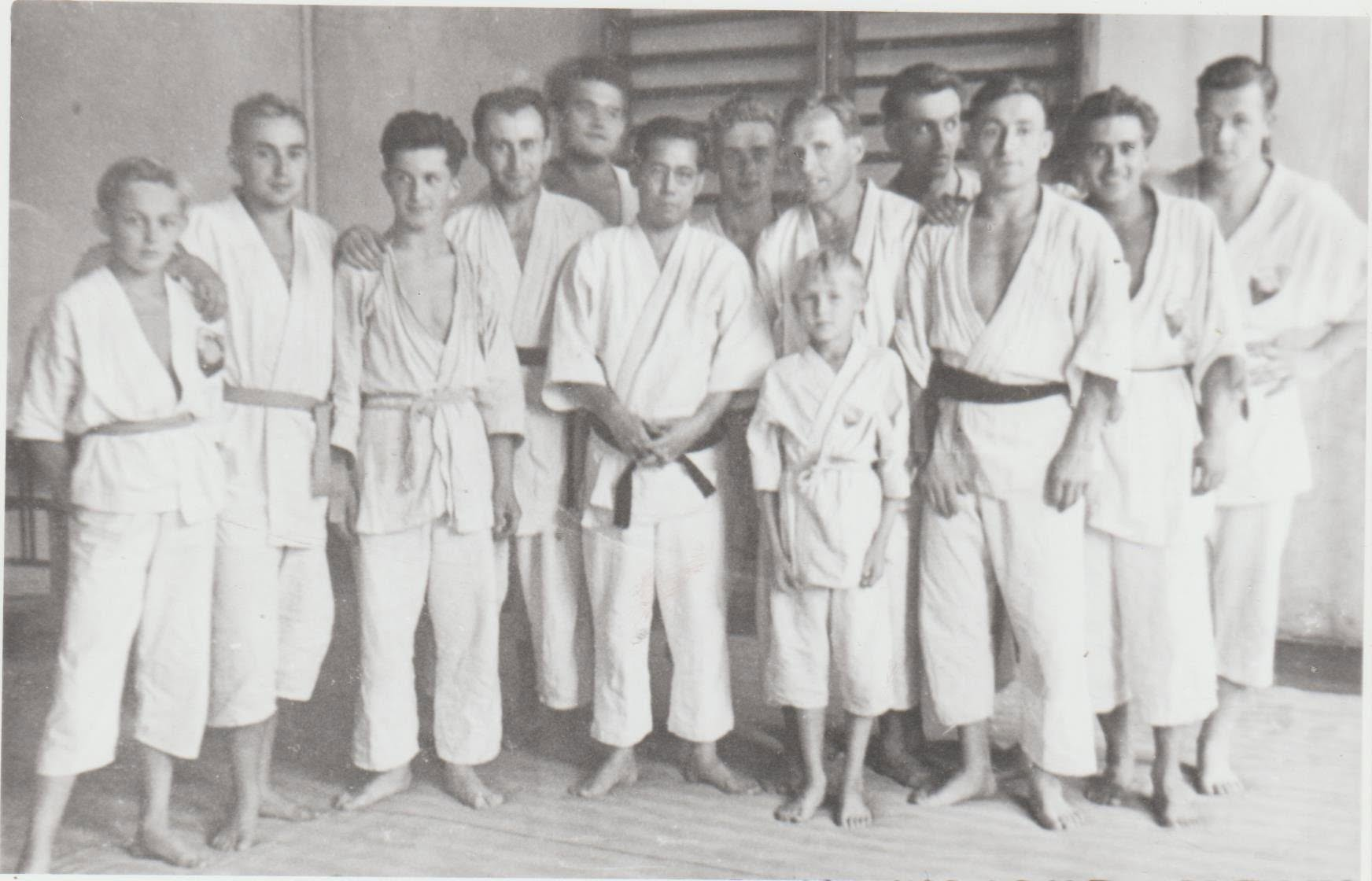
Ivan Špička: Koncentrace v mentální průpravě (1982)
On page 2, Špička remembers Kitayama as an expert in traditional Eastern mental training. He writes that their conversations provided knowledge of the mental preparation of Japanese masters that he could not later have obtained from anyone else. He also mentions Kitayama’s self-defence training with his grandfather. Mental training corrects the supplied machine translation’s erroneous “mental parades”.
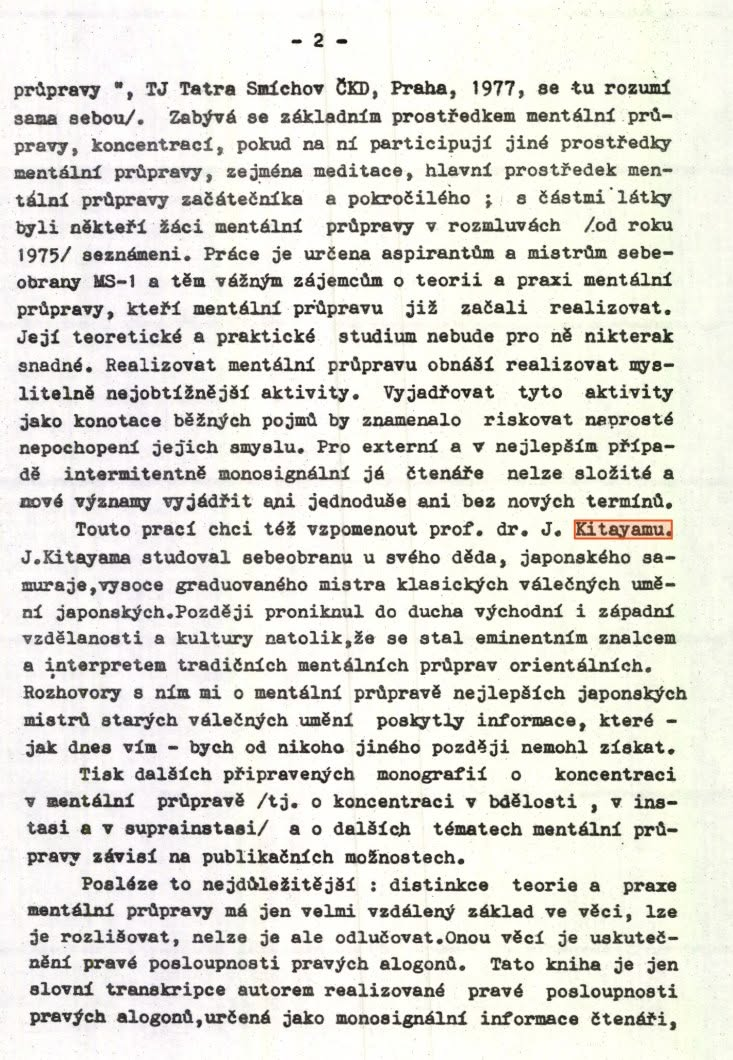
Václav Bauer’s recollection — Pilsen, 1953 · English · Ivan Špička: Koncentrace v mentální průpravě (1982) · Čeština / English
Miloš Tůma: “His little paws were like steel girders”
Miloš Tůma recalls the beginnings of judo in Prague: Leggett’s instructional photographs, his own drawings for beginners, and direct instruction from Kitayama. He acted as Kitayama’s sparring partner at a national-team training camp in the “Tyršák”. He emphasises learning through physical contact rather than observation alone.
Československý sport, 6 March 1969. This is the publication date, not the date of the training camp, which the clipping does not specify.
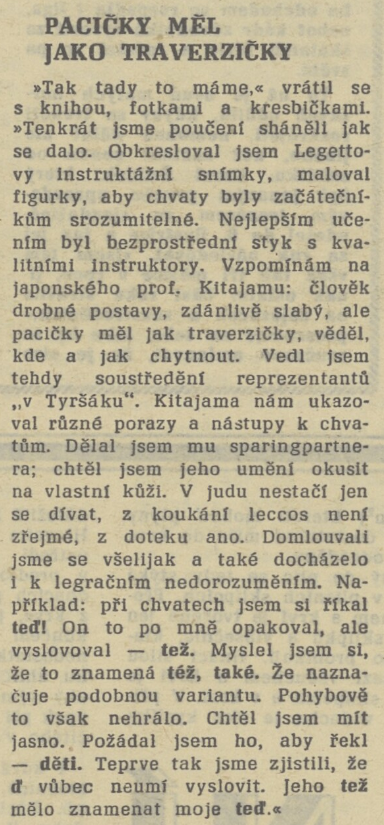
Reading translation of the supplied clipping
“Here we are,” he said, returning with a book, photographs and little drawings.
“In those days we sought instruction wherever we could. I copied Leggett’s instructional photographs and drew little figures to make the techniques understandable to beginners. The best way to learn was direct contact with good instructors. I remember the Japanese professor Kitayama: a small man, seemingly weak, but his little paws were like steel girders. He knew where and how to grip. At the time I was running a national-team training camp in the ‘Tyršák’. Kitayama showed us various throws and entries into techniques. I acted as his sparring partner; I wanted to experience his skill myself. In judo, watching alone is not enough. Many things that are not obvious to the eye become clear through touch. We communicated as best we could, and there were some amusing misunderstandings.
For example, when performing a technique I would say ‘teď!’—‘now!’ He repeated it after me, but pronounced it ‘tež’. I thought he meant ‘též’, ‘also’, and was suggesting a similar variation. But the movement did not fit. I wanted to clear it up, so I asked him to say ‘děti’—‘children’. Only then did we discover that he could not pronounce the Czech ď sound at all. His ‘tež’ had always been intended to mean my ‘teď’.”
Source: clipping supplied by the archive editor. The journalist’s name is not visible in the supplied excerpt.
Vlasta Winkelhöfer - leading Czech japanologist, translator, writer awarded by the Order of the Rising Sun
"I'm afraid you have a personal contact with Dr. McKinley. Kitayama can't provide any serious information. Just a memory. I started studying Japan in the fall r. 1950 and since the second semester, we have had a two-hour lecture on the list of lectures once a week (seminar? or whatever it was) from the area of Japanese language, which dr. K. Go ahead. Right at the first hour, dr. K.
He explained how high intelligence a man who wants to master the Japanese studies must have, and on that occasion he spoke very aggressively about the intelligent capacity of women who simply do not have it. I was the only woman in the classroom, so I had to take it out on myself.
As a successful student, raised by advanced coed Czechoslovak education (also passed through the cosmopolitan atmosphere at French Gymnasium) and living in an environment where equality between men and women was taken for granted, I took it as a serious insult. All the other hours, dr. K. I've boycotted forever.
I'm▁going to▁take a▁flight so I▁understand that▁she▁probably▁didn't▁even▁want▁personal invektiva▁veči meně, nýbrž vívodný and pro nemúžuřejmý posture japanese man,▁just by▁productem patriarchální japanese▁společnosti v period Meidži a Taišó a▁tehdjed japanese upbringing guys. ▁It▁was▁nothing for me to be▁shocked,▁first▁experience of▁this▁kind in me with a▁complete▁life, and the▁attitude Dr. K. He'd be▁completely▁unacceptable to me. Dr. K.
He was rarely present at the faculty later (perhaps he didn't work there anymore?), and therefore even after I joined the faculty as an assistant, we passed by successfully. Two years after the discharge, my husband and I went away for a four-year stay in Japan and with dr. K. I never saw myself again. "
PaeDr. Jiří Koritenský - Judist from Hradec Králové
"When visiting the above-mentioned (Mr Kitayama - note I was the author of the website) in my adult age, and we can't forget our training. In fact, he taught us not only the basics of judo, but also the philosophy of combat sport. Otherwise I was too young to evaluate his perfect work for Czech and castle judo. "
Vladimir Lorenz (8.dan judo) - personal friend and pupil of Mr Kitayam
"My first teacher was Japanese professor Kitayama. He had 15 languages. I met him personally after 1945. I learned about his existence in a concentration camp, where on paper from the newspaper that we used to use for the toilet, I read about his book, The Meeting of the East with the West '. "
"When I got back from the concentration camp, I met with him and was his assistant for 19 years. It was fate control. "Lorenz remembers Kitayama:" He was the first person I came across, who didn't lie to me a word. He always said, 'Lorenz, remember what you say, do it! Never contradict what you say and do. It always leads to destruction. '"
Mrs. Doubk remembers the event when Kitayama was already in hospital with his illness.
"for example, Kitka needed a hoodie for his healing. These are mandarins and the husband (Vladimir Lorenz) was unable to reach him in Communist Czechoslovakia in 1961-2
Maybe it was a reminder of home - around Shizuoka they grow much "
Ivan Špička (pioneer of sindefendology, one of the creators of the mono-signal self-defense MS-1) - friend and student of Mr. Kitayam
mentions very much the person of Mr Kitayam in the preface to the Czech edition of Kitayama's book "The Meeting of the East with the West." The book was supposed to come out in 1993 at the publishing house TRS Prague, but it never came out - the foreword is called Ivan Top: Shadows of Shadows or Shady Shadows
Edmund Husserl - famous German philosopher and teacher Kitayama at the University of Freiberg. The text is from Husserl's letter to Mr. Kitayam's father.
"Your son Jun'yu's study has stretched out and I'm sure you're worried, but as his teacher, I guarantee that your concerns are unnecessary. From the first moment I was interested in Jun'yua, his natural talent and conscientiousness as well as his progress in the study of general sciences and philosophy, make me happy. I think your son has a great future ahead of him, and one day you'll be proud of him too.
Professor Leumann, who teaches your son Sanskrit, like everyone else who knows your son, puts great hopes into him. There's nothing to worry about. "
Original wording of this section · 2018
Vlasta Winkelhöferová - přední česká japanoložka, překladatelka, spisovatelka oceněná Řádem vycházejícího slunce
"obávám se, že Vám k osobě dr. Kitajamy nemohu poskytnout žádné závažné informace. Pouze vzpomínku. Japanologii jsem začala studovat na podzim r. 1950 a od druhého semestru jsme měli na seznamu přednášek uvedenu jedenkrát týdně dvouhodinovou přednášku (?seminář? či co to vlastně bylo) z oblasti japonského jazyka, kterou dr. K. vedl. Hned při první hodině nám dr. K.
vykládal, jak vysokou inteligenci musí mít člověk, který chce zvládnout japanologická studia, a při té příležitosti se velmi přezíravě vyslovil o inteligenční kapacitě žen, které na to prostě nemají. Byla jsem jediná žena v učebně, a tak jsem to nutně vztáhla na sebe.
Jakožto úspěšná studentka, vychovaná pokročilým koedukovaným československým školstvím ( nadto prošlá kosmopolitním atmosférou na Francouzském gymnáziu) a žijící v prostředí, v němž rovnost mužů a žen byla považovaná za naprostou samozřejmost, jsem to vzala jako těžkou urážku. Veškeré další hodiny dr. K. jsem už navždy důsledně bojkotovala.
Postupem let jsem samozřejmě pochopila, že ona to asi ani nebyla přímo osobní invektiva vůči mně, nýbrž vžitý a pro něho tudíž samozřejmý postoj japonského muže, jenž byl produktem patriarchální japonské společnosti v době Meidži a Taišó a tehdejší japonské výchovy chlapců. Nicméně pro mne to byl šok, první zážitek tohoto druhu v mém dosavadním životě, a postoj dr. K. byl pro mne naprosto nepřijatelný. Dr. K.
se na fakultě později vyskytoval zřídka (snad už tam ani nepůsobil?), a proto i poté, co jsem nastoupila na fakultu jako asistentka, jsme se úspěšně míjeli. Dva roky po absolutoriu jsem pak s manželem odjela na čtyřletý pobyt v Japonsku a s dr. K. jsem se již nikdy neviděla."
PaeDr. Jiří Koritenský - judista z Hradce Králové
"Při návštěvách výše jmenovaného (pana Kitajamy- pozn. autora webu ) jsem byl v dorosteneckém věku a na eho treninkové náštěvy nelze zapomenout. V podstatě nás učil nejen základům juda, ale i filozofii bojového sportu. Jinak jsem byl moc mladý, abych mohl hodnotit jeho perfektní práci pro české a hradecké judo."
Vladimír Lorenz (8.dan judo) - osobní přítel a žák pana Kitajamy
"„Mým prvním učitelem byl japonský profesor Kitayama. Ovládal patnáct jazyků. Osobně jsem se s ním setkal po roce 1945. O jeho existenci jsem se dozvěděl v koncentráku, kde jsem na papíru z novin, který jsme používali na záchod, četl o jeho knize ,Setkání Východu se Západem‘.“
„Když jsem se vrátil z koncentráku, sešel jsem se s ním a dělal mu 19 let asistenta. Bylo to řízení osudu.“ Lorenz na Kitajamu vzpomíná: „Byl to první člověk, na kterého jsem narazil, který mi nezalhal jediné slovo. Vždycky říkal: ‚Lorenz, pamatuj si: Co říkáš, to čiň! Nikdy nebuď v rozporu s tím, co říkáš a děláš. To vždycky vede do zkázy.‘ “"
Paní Doubková vzpomíná na událost, kdy byl Kitajama již v nemocnici se svojí nemocí
„třeba že Kitka potřeboval pro sve uzdravování mikane to jsou mandarinky a manžel (Vladimír Lorenz) mu je v komunistickem Československu v letech 1961-2 nemohl sehnat
možná to byla i vzpominka na doma - kolem Shizuoka se hojně pěstují"
Ivan Špička (průkopnik sindefendologie, jeden z tvůrců monosignální sebeobrany MS-1) - přítel a student pana Kitajamy
zmiňuje velmi osobu pana Kitajamy v předmluvě k českému vydání Kitajamovi knihy "Setkání Východu se Západem". Kniha měla vyjít v roce 1993 v nakladatelství TRS Praha, nikdy ale nevyšla - předmluva se jmenuje Ivan Špička: Stíny stínů anebo nestinné stíny
Edmund Husserl - známý německý filozof a učitel Kitajamy na Univerzitě ve Freibergu. Text je z Husserlova dopisu otci pana Kitajamy.
„Studium Vašeho syna Džun’júa se protáhlo a jistě si děláte starosti, ale já se Vám jakožto jeho učitel zaručuji, že Vaše obavy jsou zbytečné. Od první chvíle jsem se o Džun’júa zajímal, jeho přirozený talent a svědomitost, stejně jako jeho pokrok ve studiu obecných věd a filozofie, mi dělají radost. (Zkráceno.) Myslím, že Váš syn má pred sebou skvělou budoucnost a jednoho dne budete určitě i vy na něj pyšný.
Profesor Leumann, jenž učí Vašeho syna sanskrit, stejně jako všichni ostatní, kterí znají Vašeho syna, do něj vkládají velké naděje. Není nic, kvůli čemu byste si měl dělat starosti.“
Kyōnen-ji temple in Yaizu
Kyōnenji in photographs supplied by Mr Morimoto
A visit to Kyōnenji Temple (教念寺) in Yaizu: the setting associated with the Kitayama family, Kitayama’s monument, information panels and temple decoration. Photographs supplied by Mr Morimoto 森本邦生 from Hiroshima.
Our heartfelt thanks to Mr Morimoto 森本邦生 for this valuable photographic record and his kind help in documenting the temple and Kitayama’s grave.
View the complete temple photo gallery
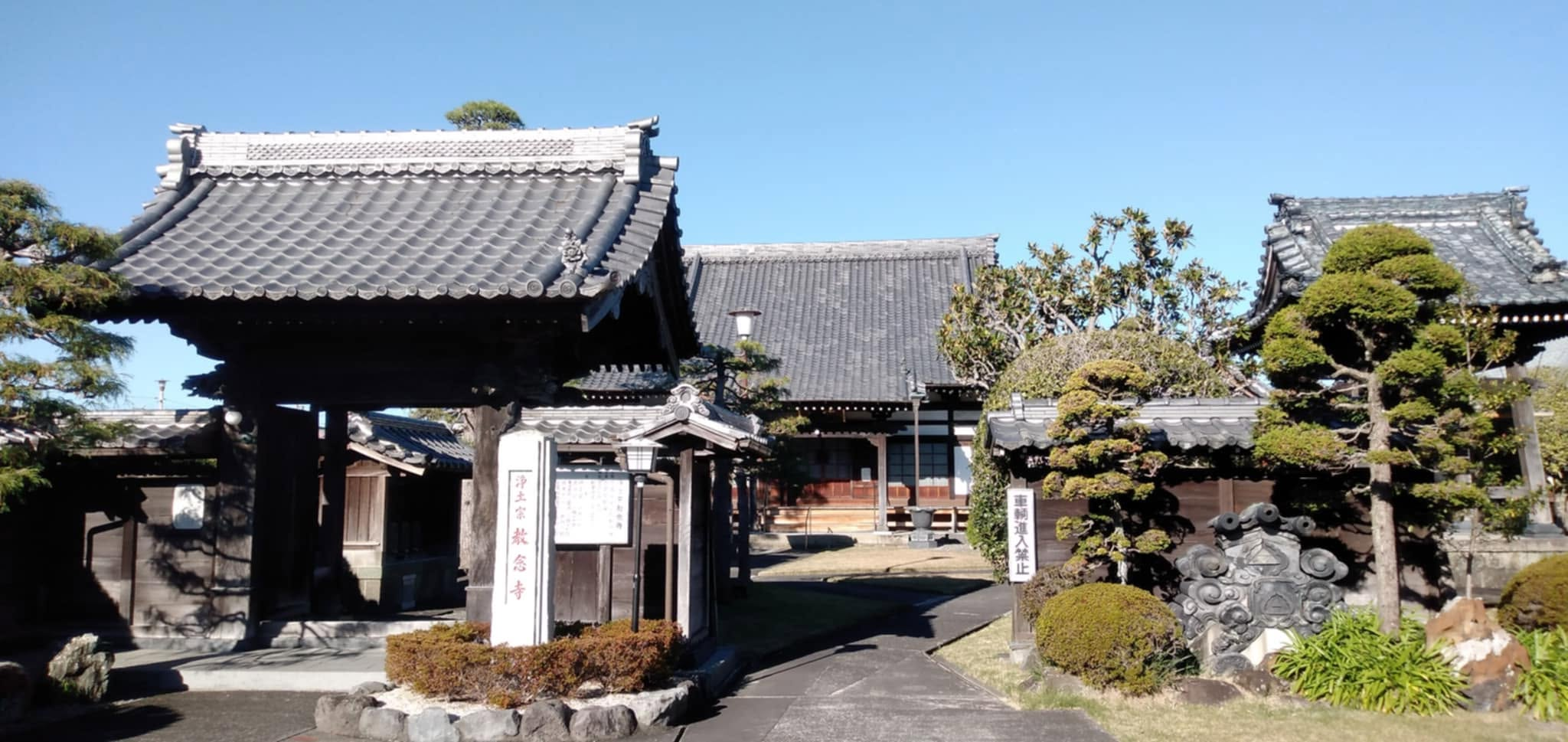
Photograph supplied by Morimoto 森本邦生 from Hiroshima.
Open the full-size photograph
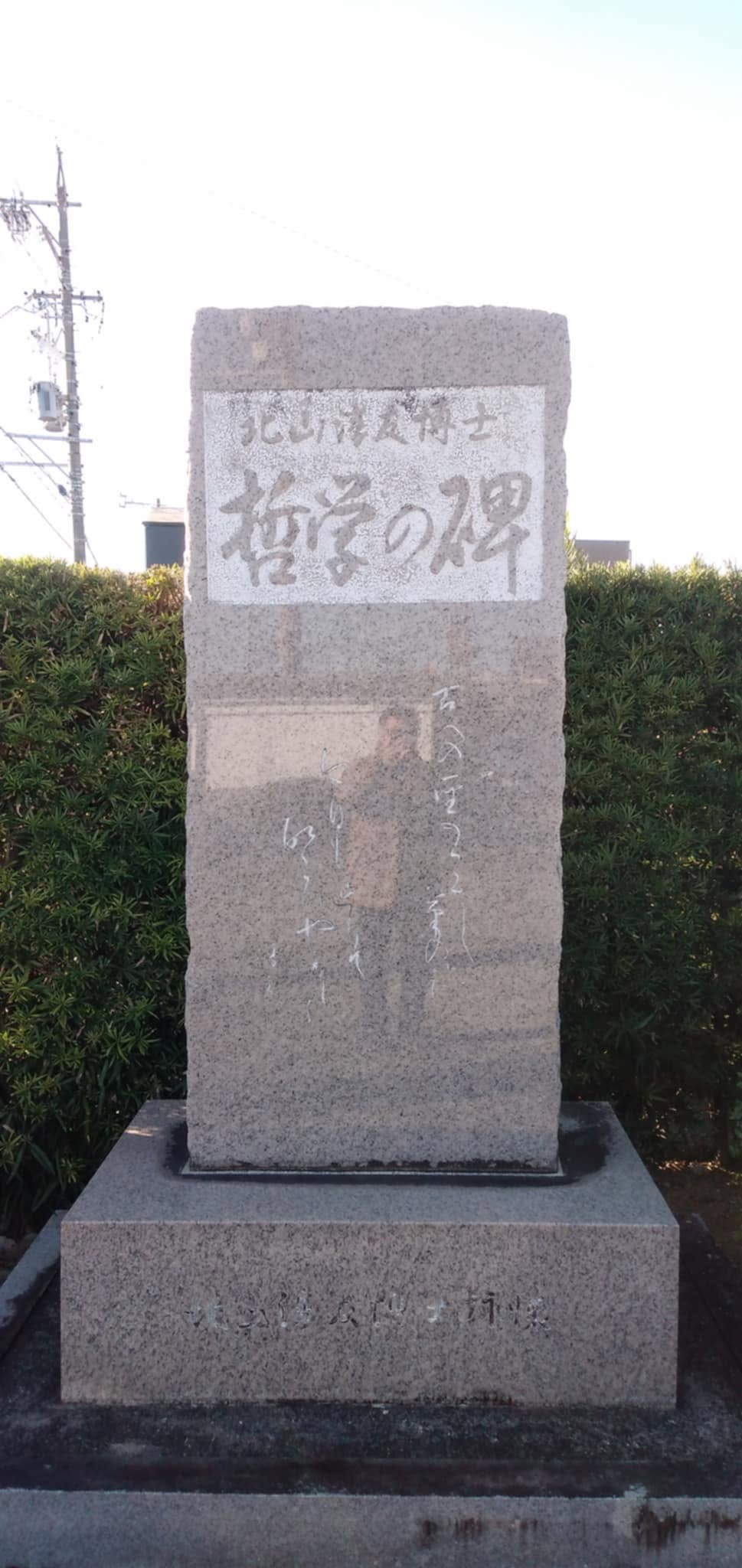
Photograph supplied by Morimoto 森本邦生 from Hiroshima.
Open the full-size photograph
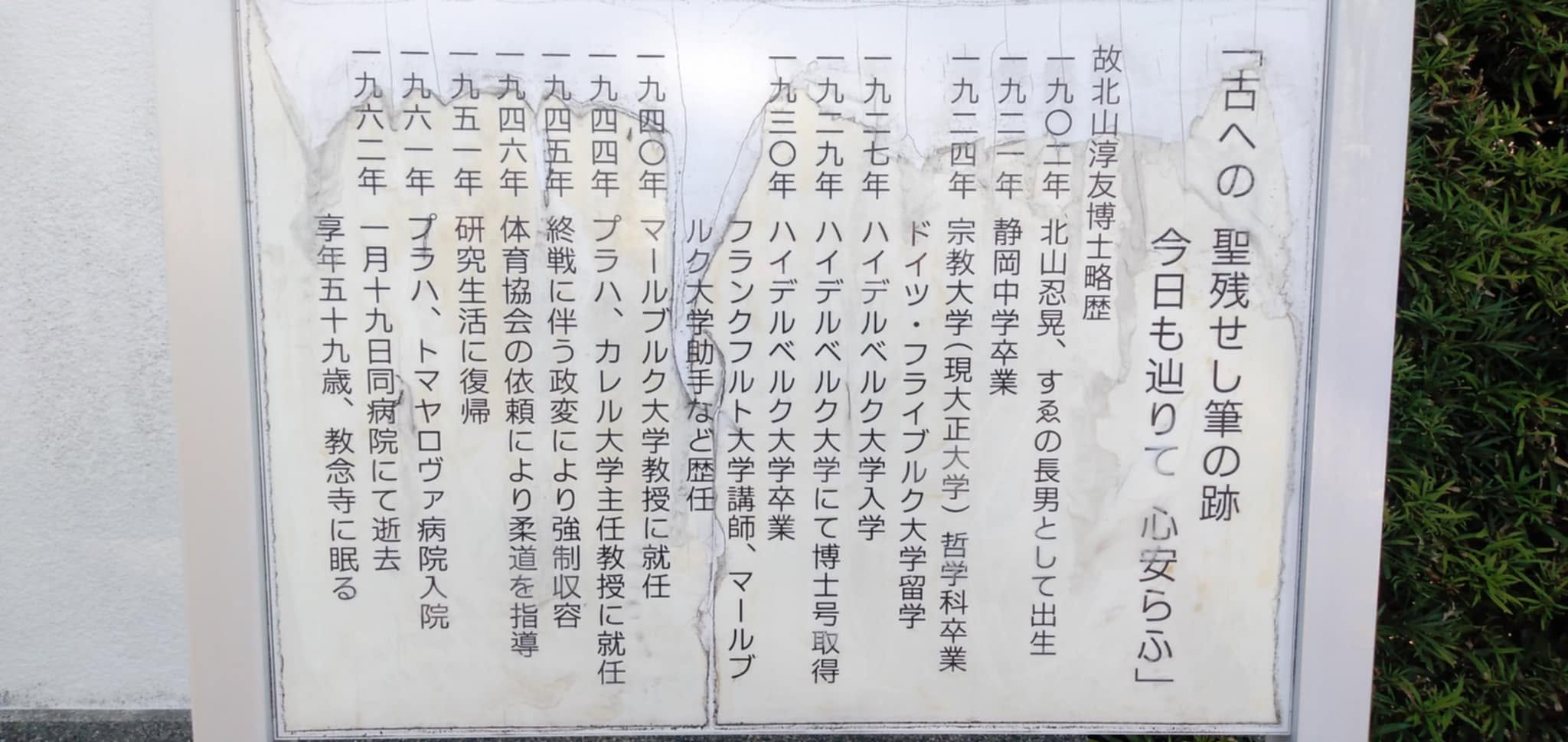
Photograph supplied by Morimoto 森本邦生 from Hiroshima.
Open the full-size photograph
The biographical panel is reproduced as a local source. It dates the doctorate to 1929, whereas Tomáš Gecko’s biographical entry (2020, p. 51) gives June 1931. The 1929 university leaving certificate is not a doctoral diploma. The panel’s claims are therefore not automatically adopted in the biography.
Photographs of Kitayama’s grave supplied by Mr Morimoto
In December 2024, Mr Morimoto 森本邦生 from Hiroshima sent the archive editor four photographs of Kitayama’s grave at Kyōnenji in Yaizu, together with a video. December 2024 is the date the material was sent.
Our heartfelt thanks to Mr Morimoto 森本邦生 from Hiroshima for the photographs, video and kind help in documenting Kitayama’s final resting place.
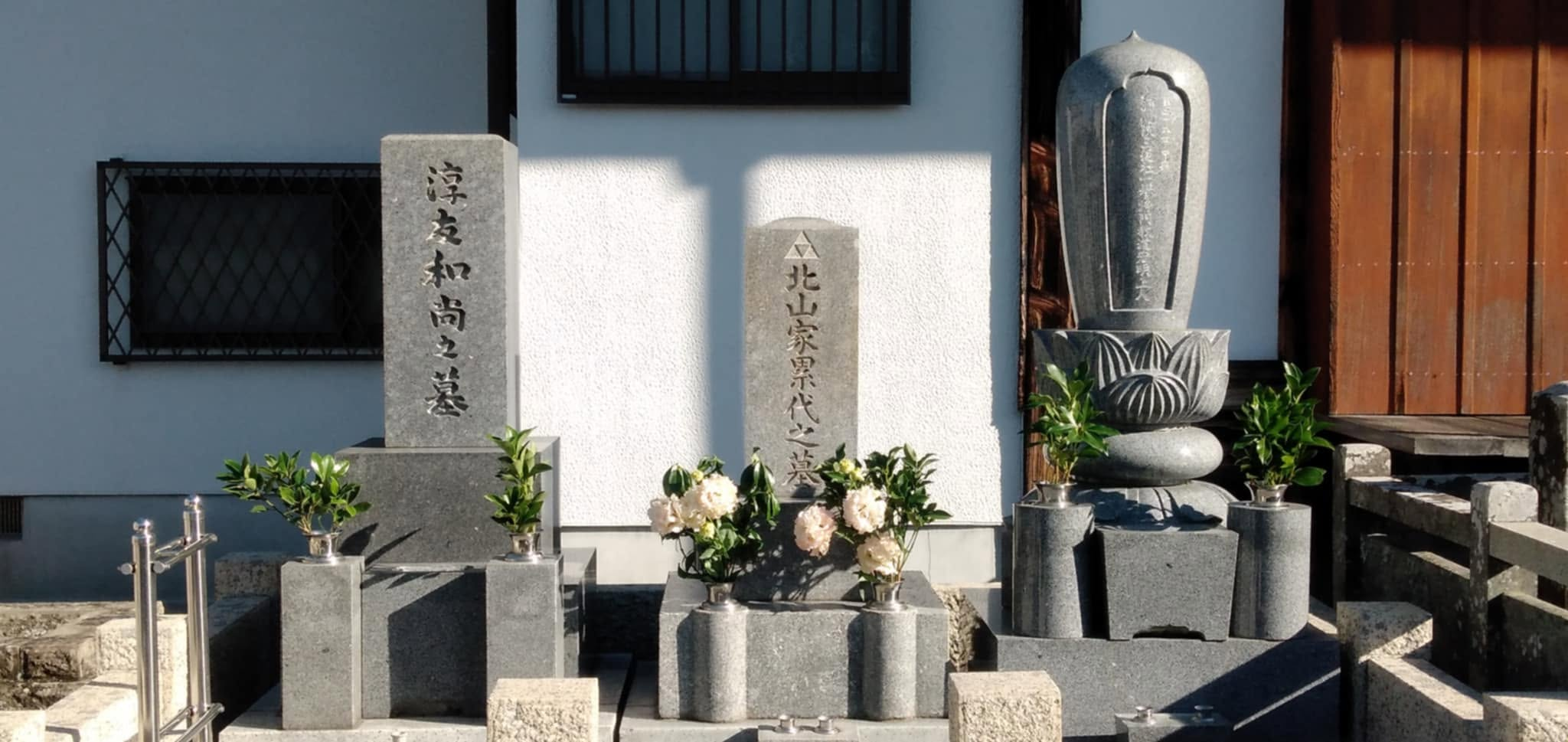
Photographs supplied by Morimoto 森本邦生. Sent in December 2024.
Open the full-size photograph
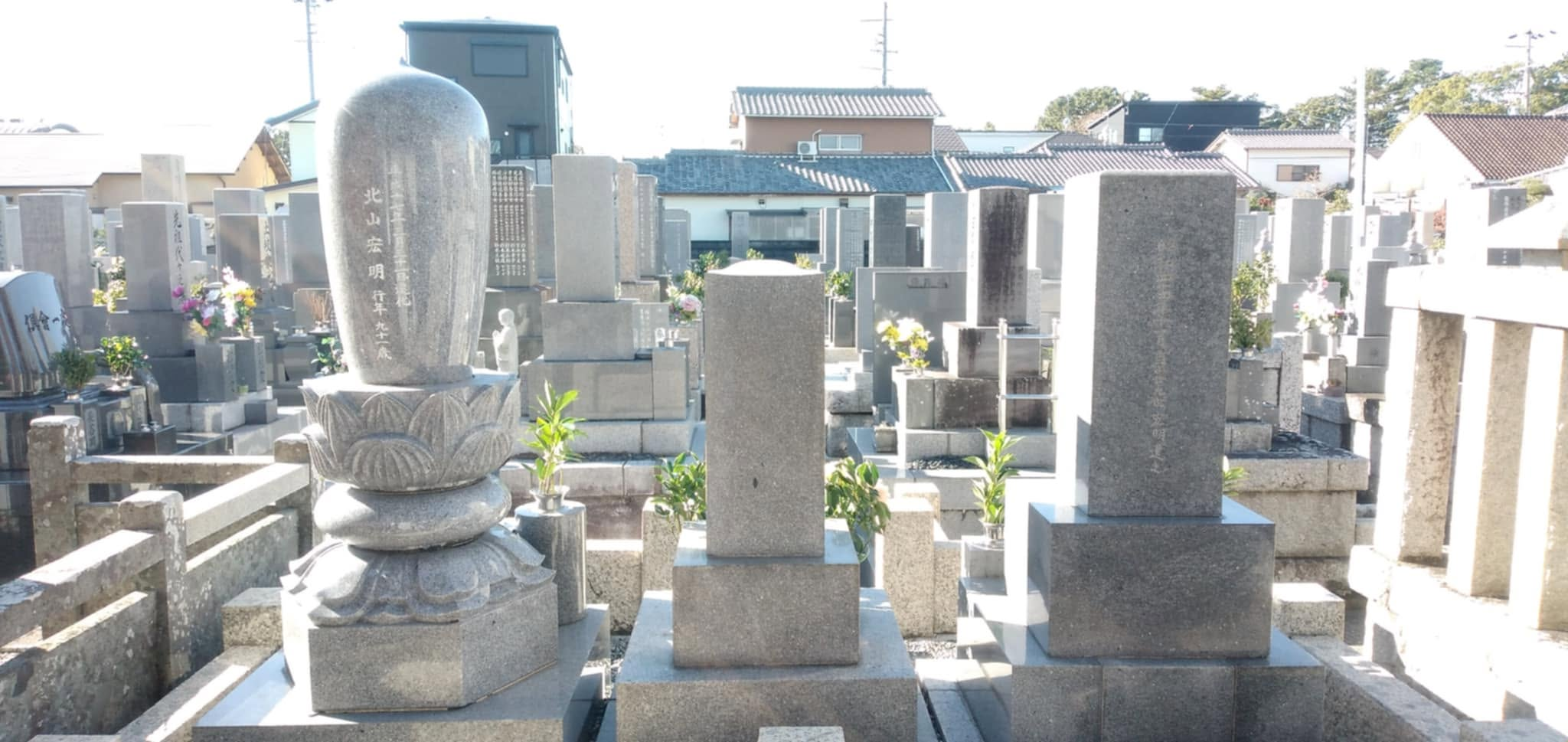
Photographs supplied by Morimoto 森本邦生. Sent in December 2024.
Open the full-size photograph
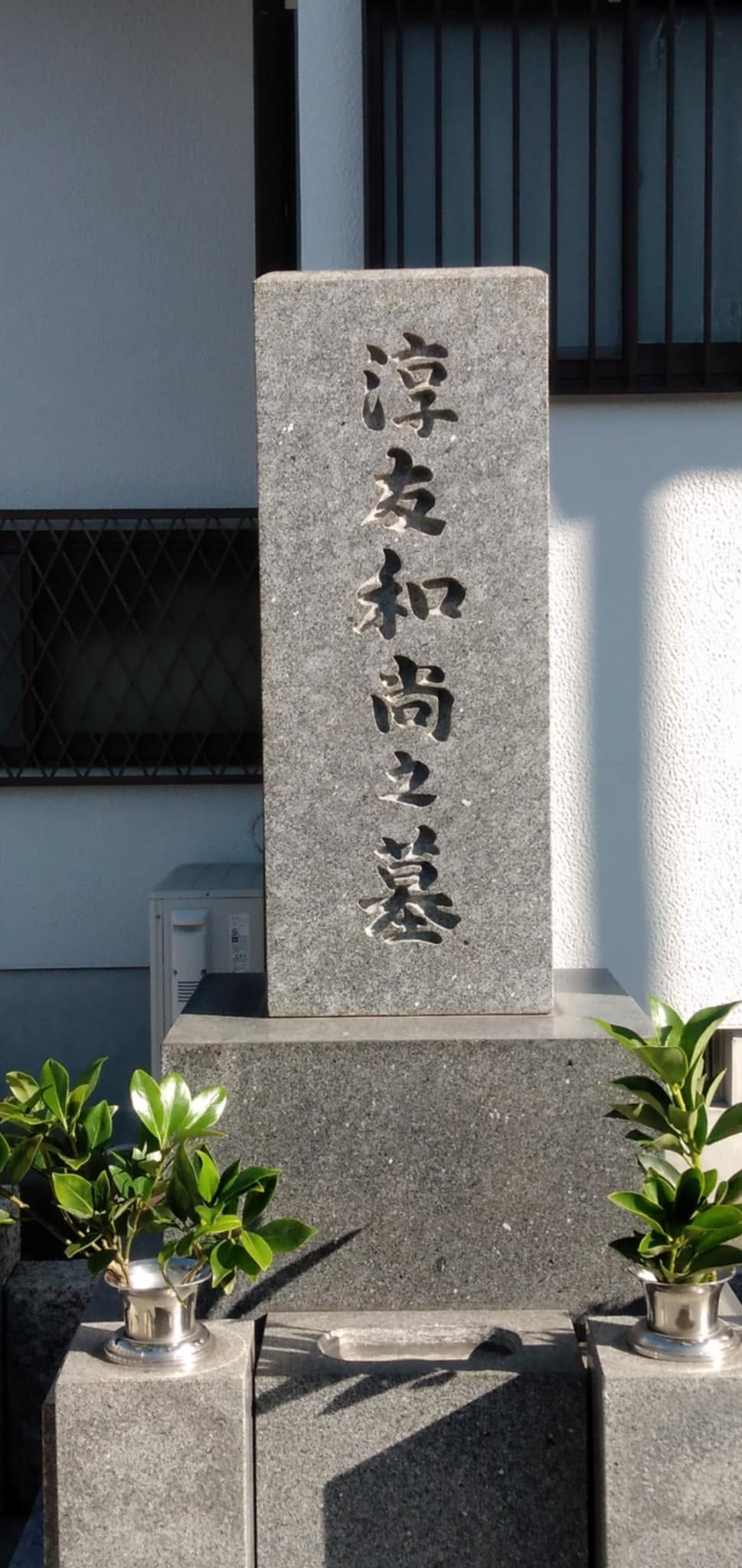
Photographs supplied by Morimoto 森本邦生. Sent in December 2024.
Open the full-size photograph
Photographs supplied by Morimoto 森本邦生. Sent in December 2024.
Open the full-size photograph
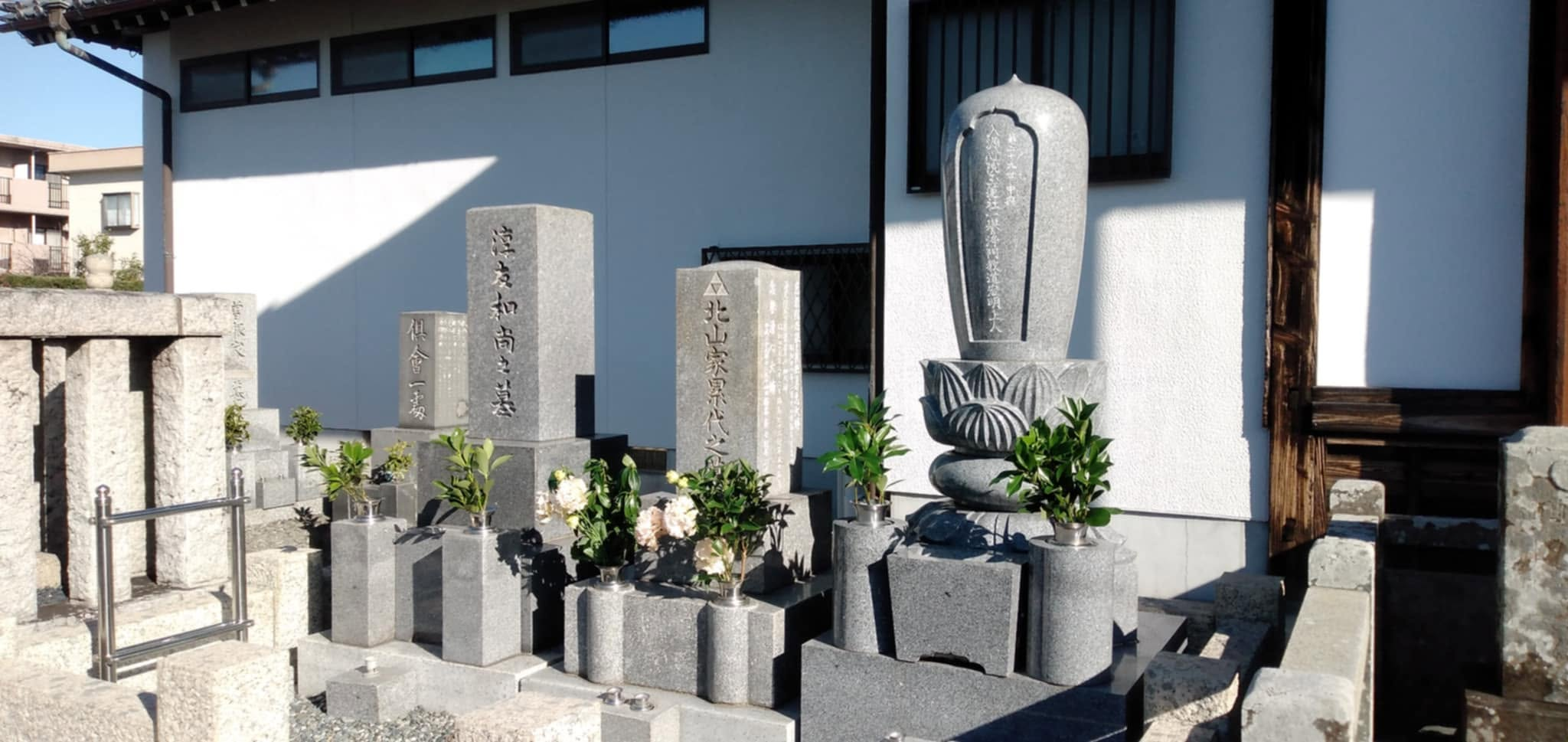
Photograph supplied by Morimoto 森本邦生 from Hiroshima.
Open the full-size photograph
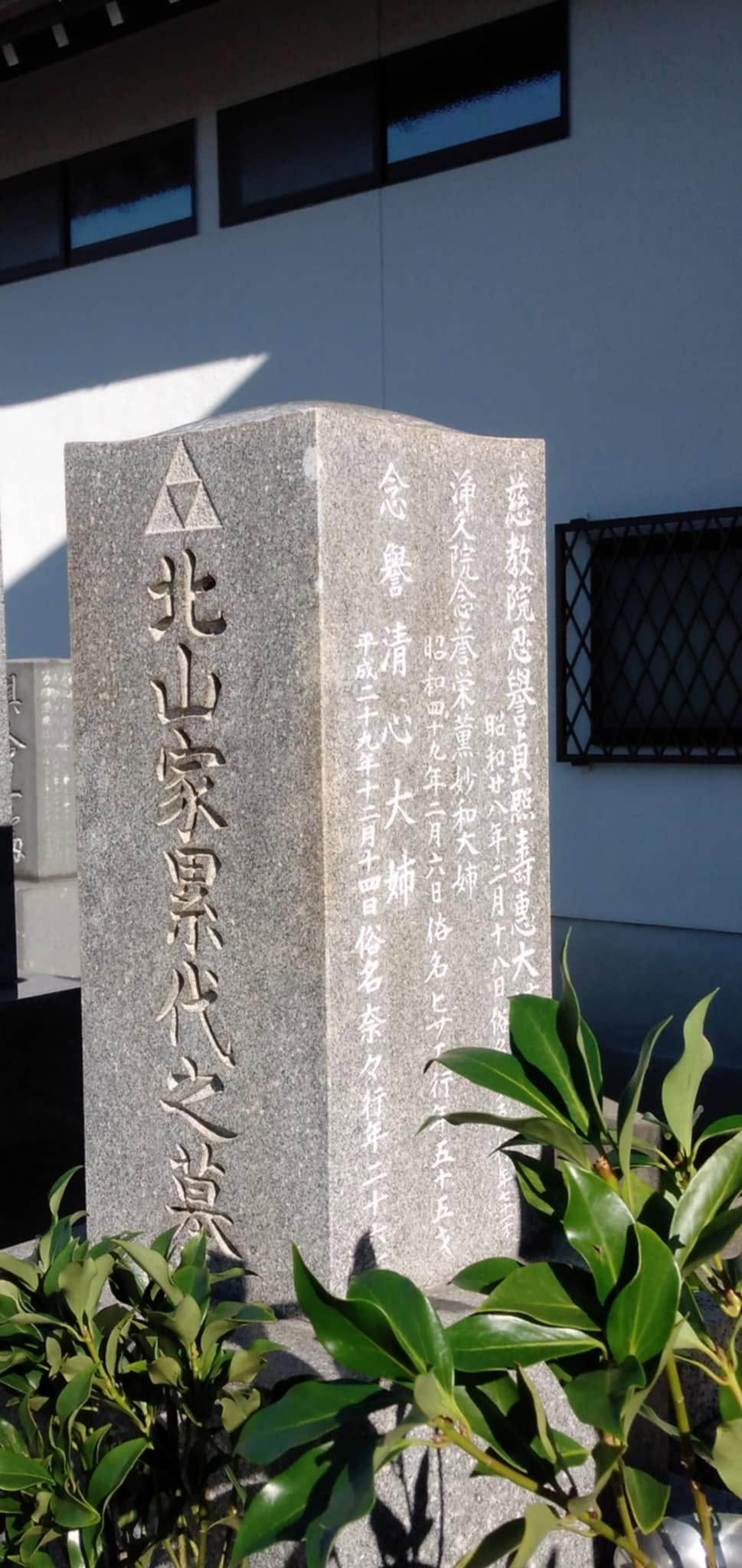
Photograph supplied by Morimoto 森本邦生 from Hiroshima.
Open the full-size photograph
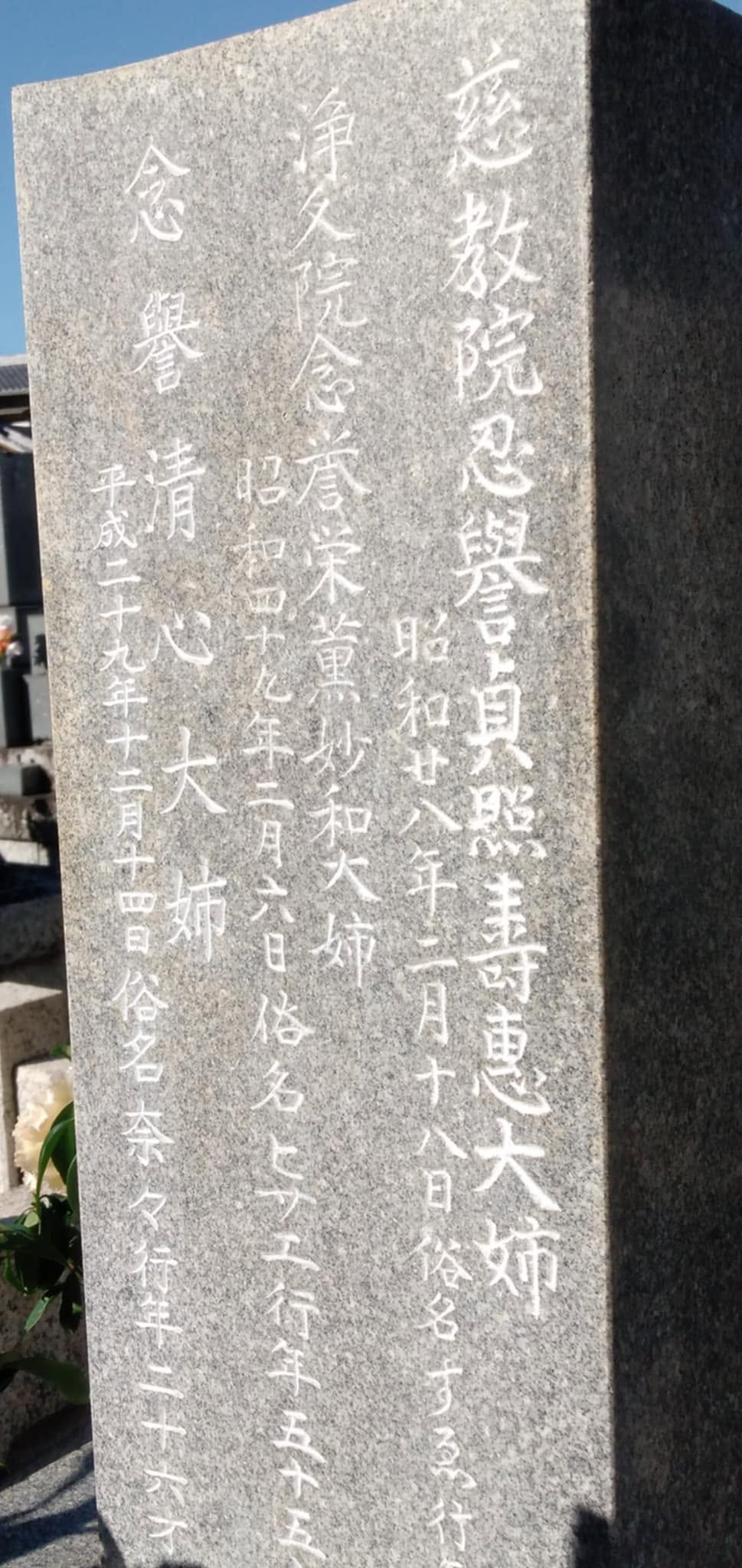
Photograph supplied by Morimoto 森本邦生 from Hiroshima.
Open the full-size photograph
Finding Kitayama’s grave
The route marked on this map was supplied by the archive editor. The temple’s official address is 〒425-0035 静岡県焼津市東小川5丁目19番地の1. The Nishikogawa address in the screenshot’s left panel belongs to another selected property (県営小川小路団地), not to the temple.
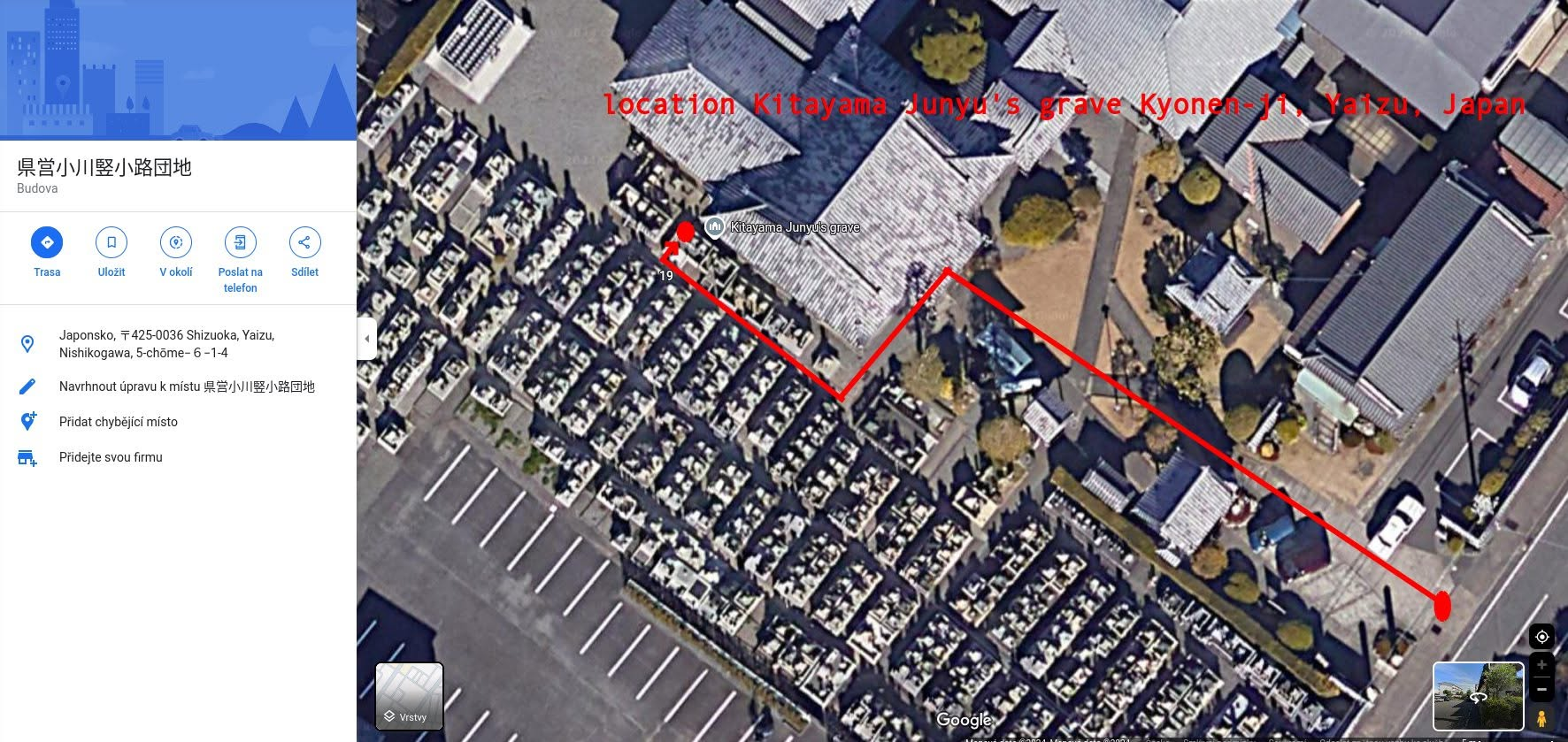
Kitayama rodištěm and the▁city of▁its▁last▁rest is an▁area of▁Buddhist▁temple Kyoto (--- Kyonen-ji) in Jaizu (---Yaizu-shi) in Šizuoka on the▁island of Honšú,▁Japan. Kitayama dad and▁pass i Kitayam▁younger▁brother▁would be▁built by▁this▁temple patřící to the▁Buddhist▁School of▁Clean Land (Jódošú, Jûdo-shū Þ). Kitayama▁tombstone and the "Memory of Philosophy" from 1984▁are▁located on the▁site. The▁southern part of the▁land is hřbitov and▁northern▁parts▁are▁temple▁buildings.
Adresa: Kyonen-ji, Higashiogawa 5-19-1, Yaizu, Shizuoka prefecture, Japan, Telefon: 054-68-4026
TEL 054-68-4026
GPS: 34 ° 51 '25.8 "N 138 ° 18' 43.8" E
▁Web: http://www.jodo-ss.com/2010/09/104.html
http://www.yaizu-muramatsu.co.jp/jiin/kyounenji.htm

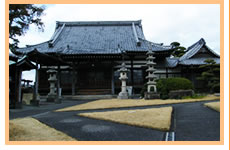
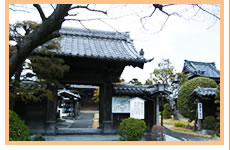
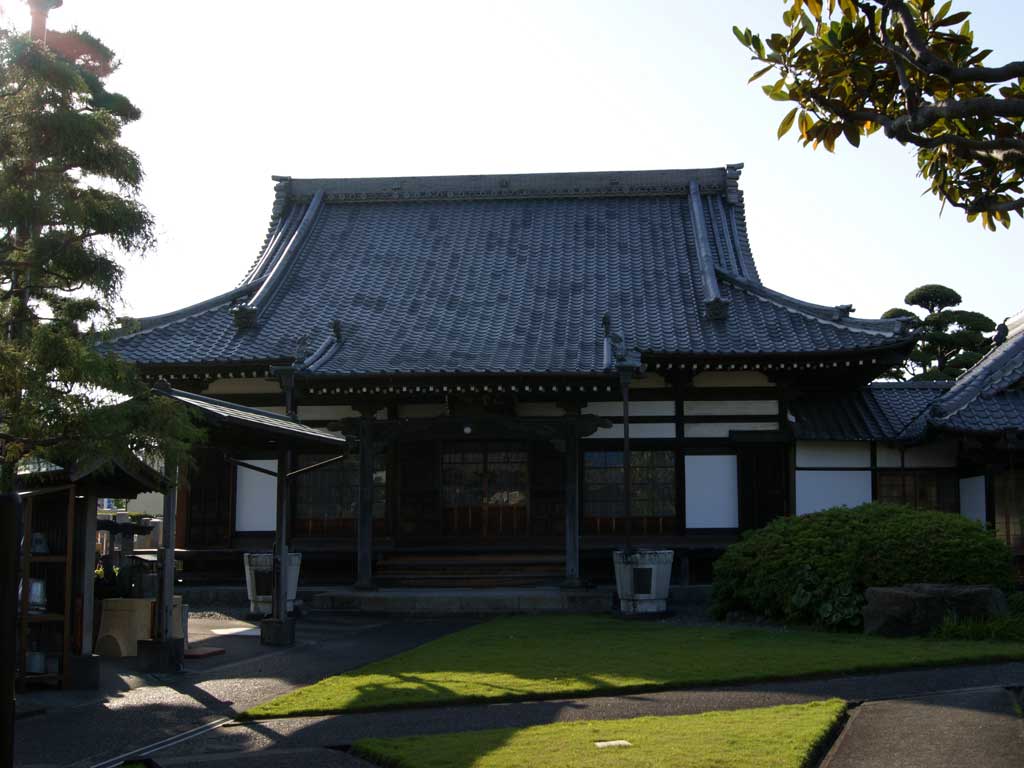
▁photographs of▁his▁tombstone in the▁temple of Kyoto in Jaiz (prefecture Shizuoka,▁Japan) - source: http://blog.livedoor.jp/shizuokak/archives/3648799.html
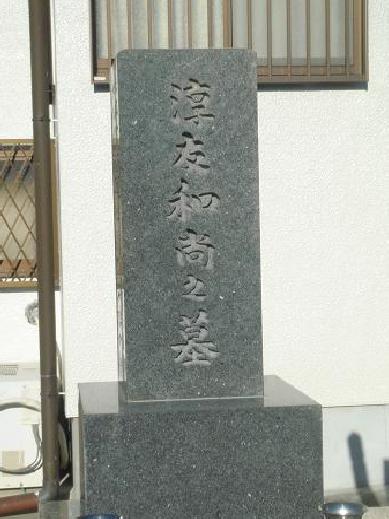
▁Photos of Pomníku Filozofů in the Temple of Kyoto in Jaiz (prefecture Shizuoka,▁Japan) - source: http://blog.livedoor.jp/shizuokak/archives/3648799.html
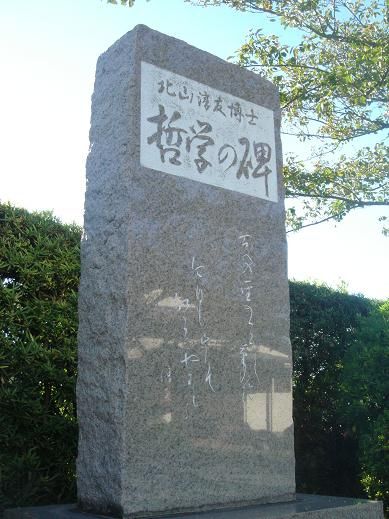
Map location of the Kyonenji temple in Jaiz (Shizuoka Prefecture, Japan) - source of Google Maps
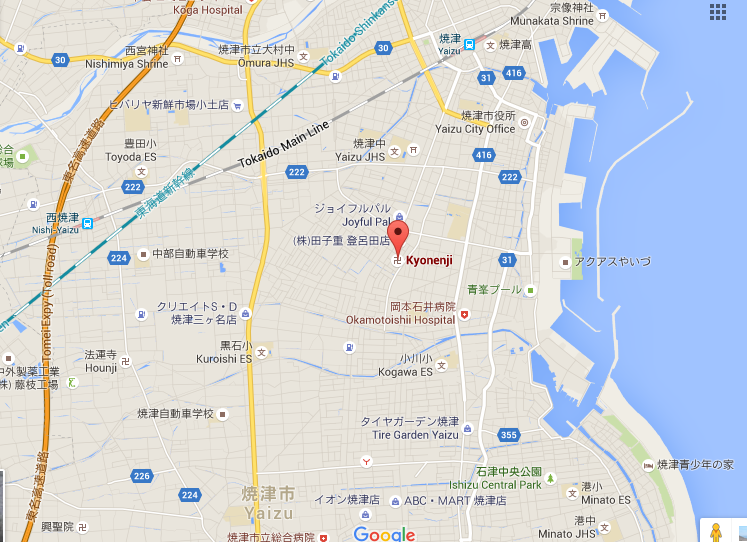
Airline view of Kyonenji - source Google Maps
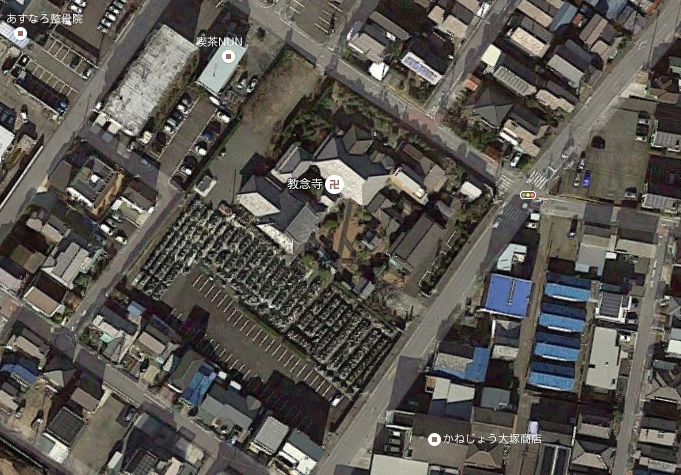
View of the entrance to the temple property from the street on the east side of the property (photo from May 2012) - left behind the entrance gate you can see the monument of the Philosophy - source of Google Earth
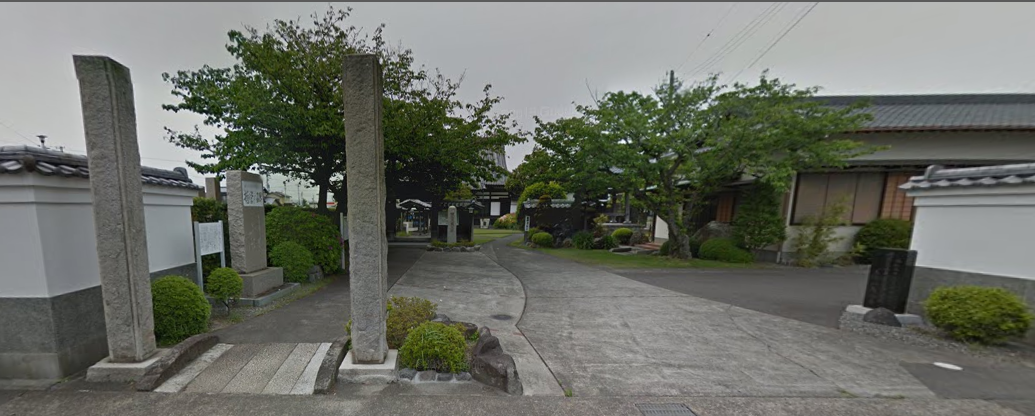
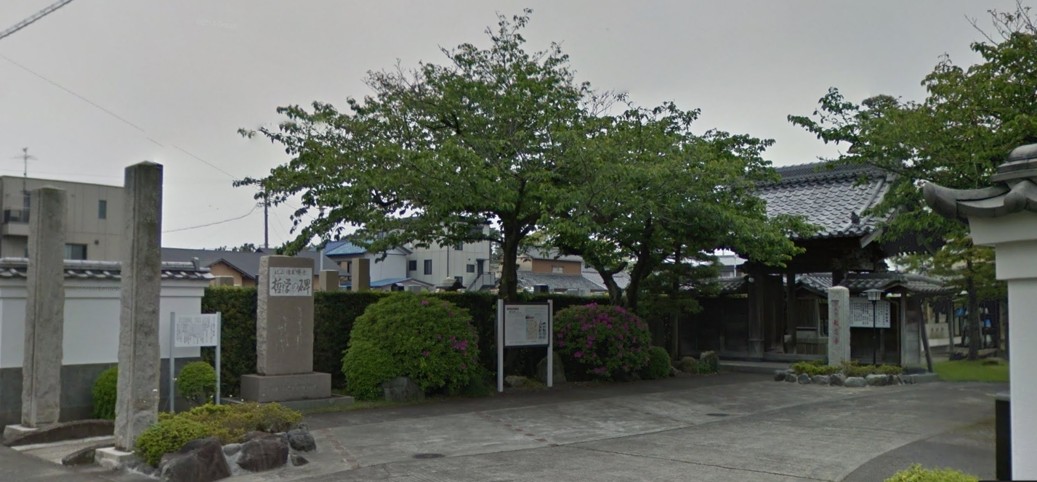
Information on the visit of the writer Lafcadio Hearn in the temple of Kyoto and his meeting with Mr Kitayam's mother (source: http: / / yaizukadoya.blog101.fc2.com / blog-entry-89.html)
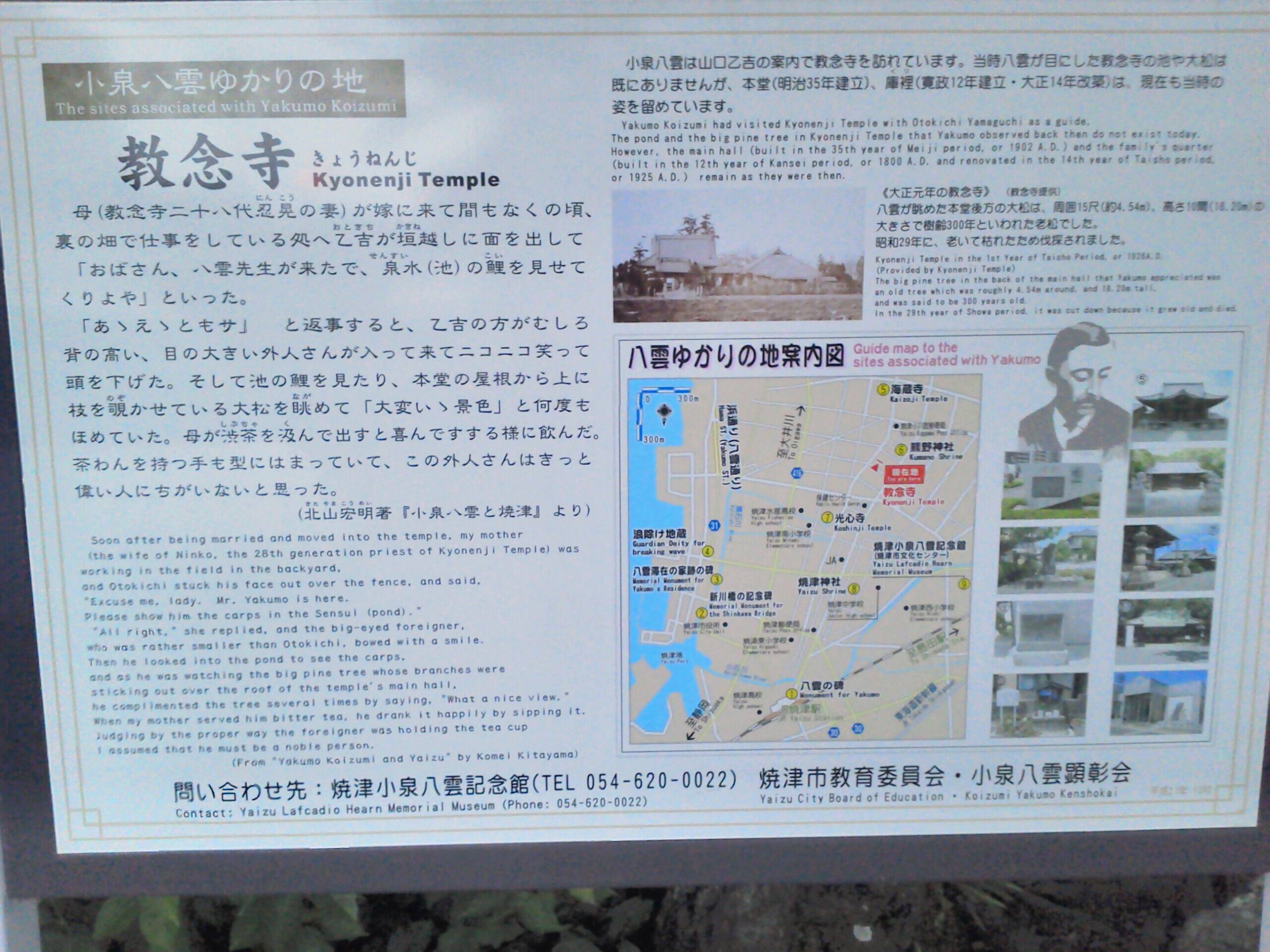
Original wording of this section · 2018
Kitajamovým rodištěm i místem jeho posledního spočinutí je oblast buddhistického chrámu Kjónendži ( 教念寺 Kyonen-ji ) v Jaizu ( 焼津市 Yaizu-shi) v prefektuře Šizuoka na ostrově Honšú v Japonsku. Kitajamův otec a později i Kitajamův mladší bratr zde byli představenými tohoto chrámu patřící k buddhistické škole Čistá země ( Džódošú, Jōdo-shū 浄土宗 ). Na pozemku chrámu se nachází Kitajamův náhrobek a též i "Pomník filozofie" z roku 1984. Jižní část pozemku je hřbitov a severní část jsou chrámové budovy.
Adresa: Kyonen-ji, Higashiogawa 5-19-1, Yaizu, Shizuoka prefecture, Japan, Telefon: 054-68-4026
所在地: 教念寺, 〒425-0035 静岡県焼津市東小川5丁目19−1, お問合せ先 電話 054-68-4026
GPS: 34°51'25.8"N 138°18'43.8"E
web: http://www.jodo-ss.com/2010/09/104.html
web: http://www.yaizu-muramatsu.co.jp/jiin/kyounenji.htm
fotografie jeho náhrobku v chrámu Kjónendži v Jaizu (prefektura Šizuoka, Japonsko) - zdroj: http://blog.livedoor.jp/shizuokak/archives/3648799.html
fotografie Pomníku Filozofů v chrámu Kjónendži v Jaizu (prefektura Šizuoka, Japonsko) - zdroj: http://blog.livedoor.jp/shizuokak/archives/3648799.html
Mapa umístění chrámu Kjónendži v Jaizu (prefektura Šizuoka, Japonsko) - zdroj Google Maps
Letecký pohled na Kjónendži - zdroj Google Maps
Pohled na vstup na pozemek chrámu z ulice na východní straně pozemku (foto z května 2012) - nalevo za vstupní branou je vidět Pomník Filozofů - zdroj Google Earth
Informace o návštěvě spisovatele Lafcadio Hearn v chrámu Kjónendži a jeho setkání s matkou pana Kitajamy (zdroj: http://yaizukadoya.blog101.fc2.com/blog-entry-89.html)
Homes in Heidelberg, Berlin and Prague
Historical Heidelberg address
Friedrich-Ebert-Straße 14a, Rohrbach, Heidelberg. Recorded in the letter of 13 May 1927 and the registration of 2 June 1927, which also specifies “2. Stock” (second floor). Its correspondence to the present street layout has not been verified.
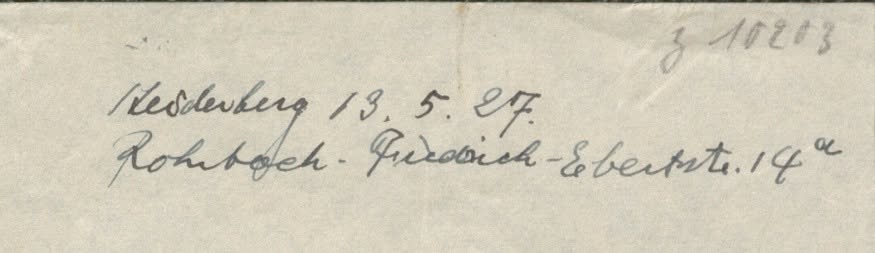
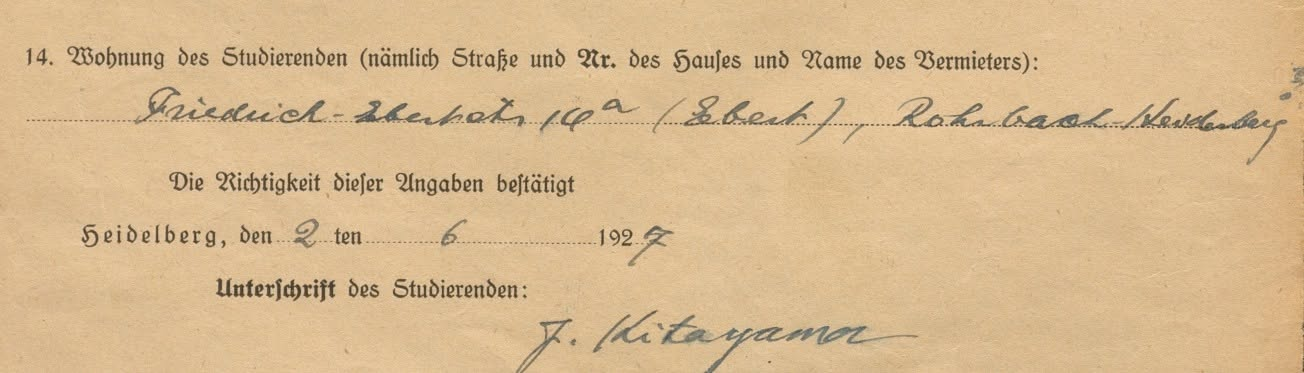
Address of the Berlin apartment in Germany - still in 1945, the house still stands
Listed in documents from the STB archive.
Freiherr-vom-Stein-Straße 16, 10825 Berlin, Germany
Addresses of apartments in Prague
Oriental Institute, Spa Street No.p 284 / 3, Prague 3, House still standing. During the war, the Oriental Institute was based in a Japanese embassy building that lent it to the Oriental Institute.
In 1945, after his arrival in Prague Kitayama had a service apartment here.
- from 1945 to 2.11.1947 (info from STB archive)
Trojanova 12, Prague 2 in sublease with Mr Jan Vesecký (son of Ladislav Vesecký studied Japanese during the 2nd World War and secretary of the Japanese Embassy in Prague Mr. Gerold Coulden-Kalergi introduced them both). The house is still standing.
- from 2.11.1947 until death in 1962
From the STB archive and other sources it is stated that Mr. Kitayama was living in a villa near the famous family of builder Šmíd, where he had rented a room or a small apartment. The house is still standing.
In Rošovice 804 / 1, Prague 8, photos of the house from 09 / 2017
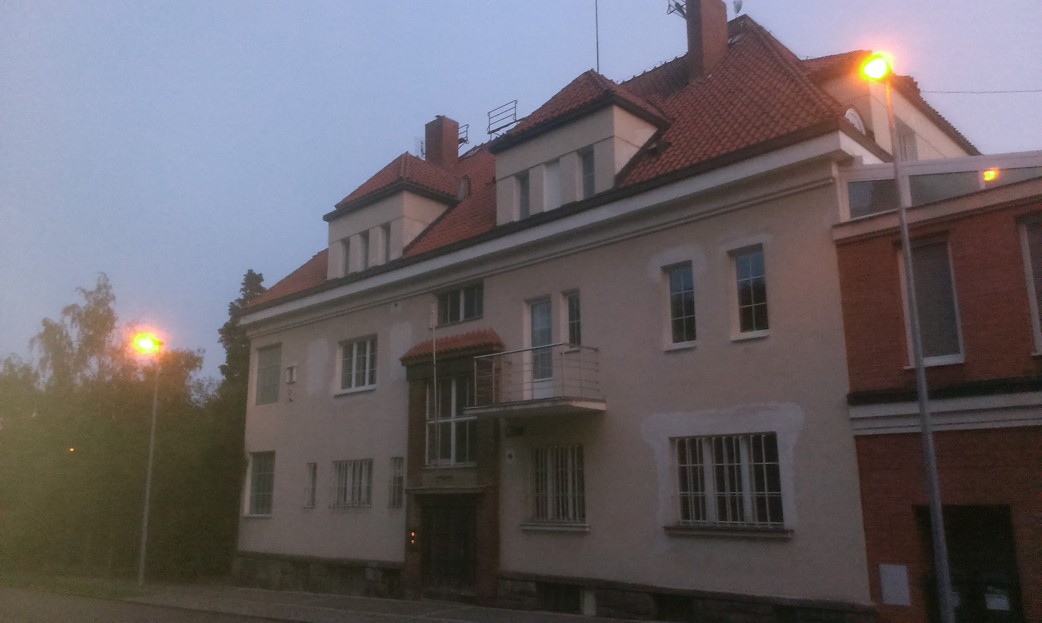
Original wording of this section · 2018
Adresa bytu v Berlíně v Německu - ještě v roce 1945, dům stále stojí
Uvedeno v dokumentech z archívu STB.
Freiherr-vom-Stein-Straße 16, 10825 Berlin, Německo
Adresy bytů v Praze
Orientální ústav, Lázeňská ulice č.p. 284/3, Praha 3, Dům stále stojí. Během války Orientální ústav sídlil v budově japonského velvyslanecví, které jej propůjčilo Orientálního ústavu.
V roce 1945, po svém příjezdu do Prahy měl Kitajama zde služební byt.
- od roku 1945 do 2.11.1947 (info ze svazku archívu STB)
Trojanova 12, Praha 2 v podnájmu u pana Jana Veseckého (syn Ladislav Vesecký studoval japonštinu za 2.sv.války a tajemník japonského velvyslanectví v Praze pan Gerold Couldenhove-Kalergi seznámil oba). Dům stále stojí.
- od 2.11.1947 až do smrti v roce 1962
Z archivu STB i v dalších zdrojích je uvedeno, že pan Kitajama v Praze ve Střešovicích bydlel ve vile u známých rodiny stavitele Šmída, kde měl pronajatý pokoj či malý byt. Dům stále stojí.
Ve Střešovičkách 804/1, Praha 8, fotografie domu z 09/2017
Other points of interest
Excluded from the evening edition of the Tókyo Shimbun, of 14.2.1943
(Source: Dr. Jun'yu Kitayama, Japanese language teacher (focused on his stay in interwar Germany) Yoshimi Ogawa, Yokohama National University)
"Forget you have parents. Mother refused to hear her son's voice. A Japanese professor admired by all Germany. "
"When he announced to his parents that he would return to Japan and bring the academic title as a gift to welcome him in the birthplace with glory, his father, the monk Shinobu Akira, encouraged him by saying:" Until you are a successful scientist, don't come home! " Kitayama took this advice from his father and stayed abroad. The more he devoted himself to teaching, the more he devoted himself to German philosophy.
Oshima, the then ambassador to Germany, saw this young professor at the University of Berlin's classroom and was deeply moved by his performance, so he began research by Dr. Kowalski. Kitayama privately support. To the doctor. Kitayama impressed this support, so he got even more involved in the research (shortened), became popular among German students and his name "Dr. Kitayama" was known throughout Germany.
Kitayama received this sad report (the announcement of his father's death) and said: "I have still not achieved success, from now on I will serve my country, I will continue to make efforts to connect Allied Germany with my own cultural cooperation." This statement has reached the Japanese-German society where it worked.
They were planning to make a telephone connection between the son who, for 18 years since his arrival in Germany, kept an image of his aging mother in his heart, with a mother who nostaliously remembers her child, who became a grown man, but... (shortened.) "During the war in the Pacific, such a thing cannot be done; it would be inexcusable in front of mothers whose sons are fighting at the front. I'll be perfectly content with my son being of any use to his country. I appreciate your kindness, but I must decline. "
It was very impressive for the representatives of this company, it became a touching topic during the war. "
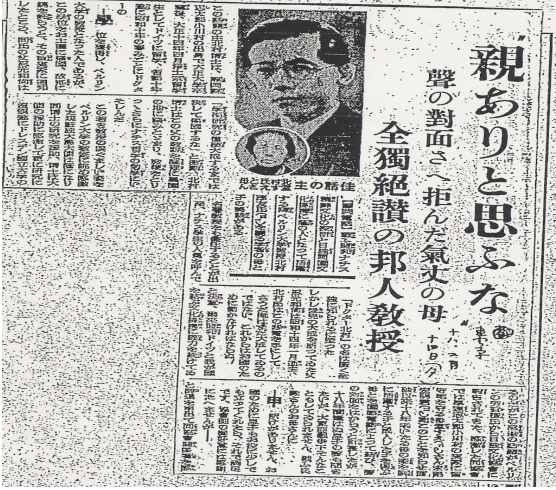
Paintings with the quote of Mr Kitayam from the monument of Mrs Vera Spiderling born Shimi / Kitayamas painting from children remembering book (scrapbook) - from Ms. Vera Spevack
When you're young,
It's supposed to be like a sakura.
When he's old,
It's supposed to be like Fujiyama.
Kitayama
When one is young,
should be like sakura.
When one is old,
should be like Fujiyama.
Kitayama

Book dedicated by Kitayama / Kitayamas book with his dedication
On the Internet portal Ebay was auctioned to buy Kitayama's book Metaphysik des Buddhism: Versuch einer philosophischen Interpretation der Lehre Vasubandhus und seiner Schule. The price of the book 140 Euro was on 27.2.2012 and did not sell in the auction. In the book is handwritten very neatly inscription in German to General Infantry Dr. Carla Freiherr von Bardolph (1865- 1953), who was also the president of the Viennese branch of the German-Japanese society.
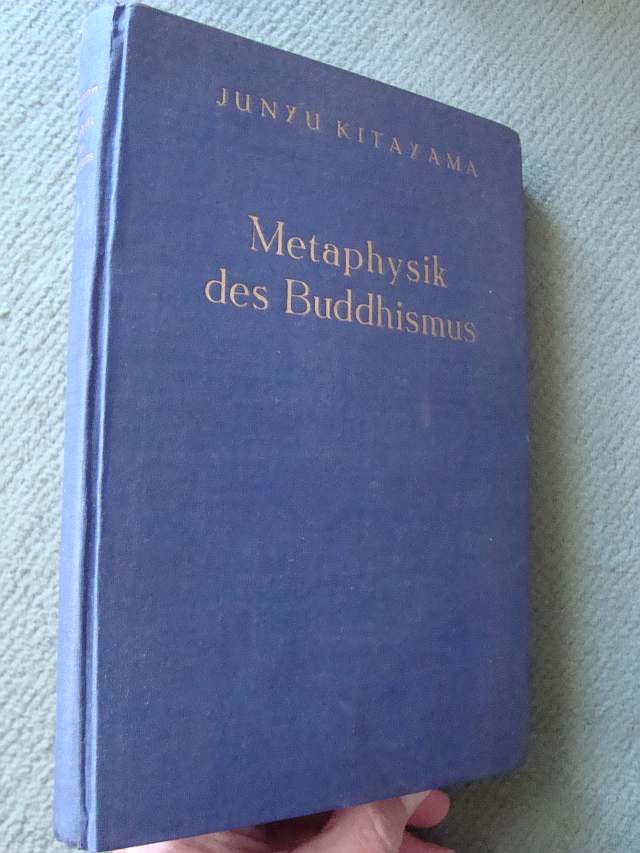
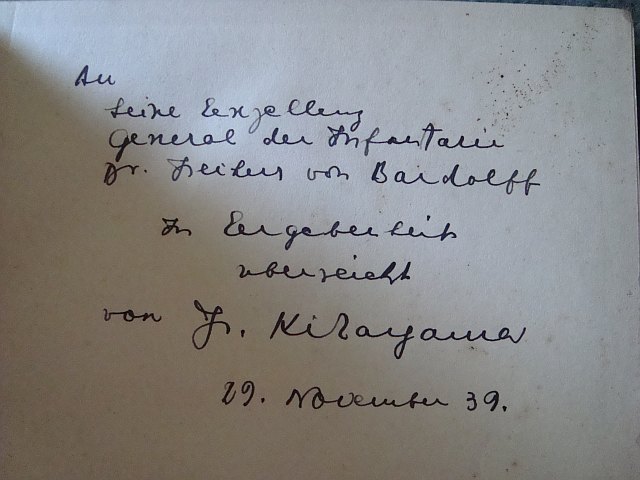
A book donated by Vladimir Lorenzo / Book- gift to Vladimir Lorenz
The book dedicated to "Brother Vladimir Lorenzo in memory of Junya Kitayama 1953 (Collection of Educational Historical Pictures)" - from the collection of the estate of Vladimir Lorenzo owned by Mrs Dobromila Doubková
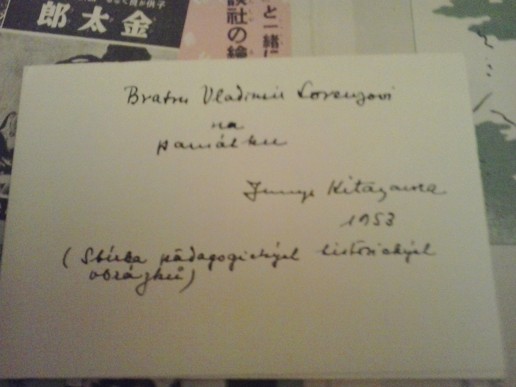
Decret appointing Kitayama Professor / Kitayamas Honorar Professor Certificate
The Reichsminister appoints Kitayama to the Honorary Professor on 27 September 1940 in Berlin. From the STB archive. The decret together with the money was found 21-22.6.1945 by students of Nerud's state real grammar school in the Japanese embassy building when collecting paper.
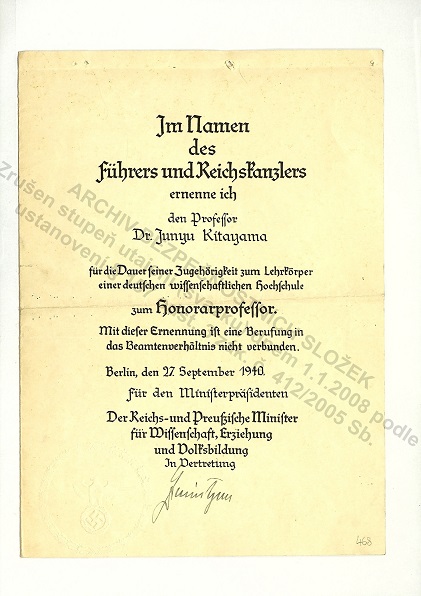
Original wording of this section · 2018
Vyňato z večerního vydání Tókjó Šimbun, ze dne 14.2.1943
(zdroj: Přínos dr. Džun’jú Kitajamy, učitele japonského jazyka, (zaměřeno na období jeho pobytu v meziválečném Německu) Jošimi Ogawa, Jokohamská národní univerzita)
„Zapomeň, že máš rodiče. Matka odmítla možnost slyšet synův hlas. Japonský profesor obdivován celým Německem.“
„Když oznámil rodičům, že se vrátí do Japonska a akademický titul přiveze jako dárek, aby ho v rodišti přivítali se slávou, jeho otec, mnich Šinobu Akira, ho povzbudil slovy: „Dokud z tebe nebude úspěšný vědec, určitě se domů nevracej!“ Dr. Kitajama si tuto radu od otce vzal k srdci a zůstal v cizině. Čím více se věnoval lektorské činnosti, tím více se oddával německé filozofii.
Óšima, tehdejší velvyslanec v Německu, shlédl tohoto mladého profesora v učebně Berlínské univerzity a byl jeho vystoupením hluboce dojat, takže začal výzkum Dr. Kitajamy soukromě podporovat. Na Dr. Kitajamu tato podpora zapůsobila, takže se do výzkumu zabral ještě více (zkráceno), stal se populárním mezi německými studenty a jeho jméno „doktor Kitajama“ bylo známo po celém Německu.
(Zkráceno.) Kitajama obdržel tuto smutnou zprávu (oznámení o úmrtí otce) a prohlásil: „Stále jsem ještě nedosáhl úspěchu, od teď budu sloužit vlasti, budu dál vynakládat úsilí na propojení spojeneckého Německa s mojí vlastí kulturní spoluprácí.“ Toto prohlášení se skrz berlínského Majumi Hagu doneslo až k Japonsko-německé společnosti, kde zapůsobilo.
Měli v plánu uskutečnit telefonní spojení mezi synem, který si po celých 18 let od svého příjezdu do Německa uchovával obraz své stárnoucí matky v srdci, s matkou, která nostaligicky vzpomíná na své dítě, z něhož se stal dospělý muž, avšak... (zkráceno.) „Za války v Tichomoří takovou věc nelze učinit, bylo by to neomluvitelné před matkami, jejichž synové bojují na frontě. Úplně se spokojím s tím, když můj syn bude aspoň trochu užitečný pro svou vlast. Velmi si cením vaší laskavosti, ale musím odmítnout“.
Na zástupce této společnosti to velmi zapůsobilo, stalo se to dojemným tématem během války.“
Malba s citátem pana Kitajamy z památníčku paní Věry Spěváčkové rozené Šímové / Kitayamas painting from children remembering book (scrapbook) - from Ms. Vera Spevackova
Když je člověk mladým,
má býti jako sakura.
Když je starý,
má býti jako Fudžijama.
Kitajama
When one is young,
should be like sakura.
When one is old,
should be like Fujiyama.
Kitayama
Kniha s věnováním od Kitajamy / Kitayamas book with his dedication
Na internetovém portále Ebay byla v aukci ke koupi Kitajamova kniha Metaphysik des Buddhismus : Versuch einer philosophischen Interpretation der Lehre Vasubandhus und seiner Schule. Cena knihy 140 Euro byla k 27.2.2012 a v aukci se neprodala. V knize je ručně velmi úhledně napsané věnování v němčině generálu pěchoty Dr. Carlu Freiherr von Bardolff (1865-1953), jenž byl také prezident vídeňské větve Německo-japonské společnosti.
Kniha darovaná Vladimíru Lorenzovi / Book-gift to Vladimír Lorenz
Kniha s věnováním "Bratru Vladimíru Lorenzovi na památku Junyu Kitayama 1953 ( Sbírka pedagogických historických obrázků )" - ze sbírky pozůstalosti po Vladimíru Lorenzovi ve vlastnictví paní Dobromily Doubkové
Dekret jmenující Kitajamu profesorem / Kitayamas honorar professor certificate
Říšský ministr jmenuje Kitajamu honorárním profesorem ke dni 27.září 1940, v Berlíně. Z archívu STB. Dekret spolu s penězi byl nalezen 21-22.6.1945 studenty Nerudovo státního reálného gymnázia v budově japonského velvyslanectví při sběru papíru.
Information still sought
Claims still requiring verification
The supplied doctorate date of 1929 does not replace the supported date of 1931. The wartime German University in Prague is distinguished from the Czech Charles University, and the posthumous collection is distinguished from earlier German publications. The exact departure from Kobe on 5 February 1924, further alleged Arendt translations on Kant or Cohen and Natorp, precise dates of assistant posts and influence on Heidegger require specific readable sources. The 1930 translation of Arendt’s article on Jaspers is documented separately.
NDL records for continuing journals may use the current title or publisher. The date of an individual issue and its historical publishing details must be distinguished.
- Any more detailed information about his youth spent in Japan, his family, interests (judo / jujutsu, kenjutsu etc.). / Any further information about his youth spent in Japan, about his family, about his interests (judo, kenjutsu etc.).
- More detailed information about his years in Czechoslovakia. His work and his work here. More information about his influence on Czech Japanese scientist Miroslav Novák (their relationship). / More information about his years in Czechoslovakia. His work and inflation here. More information about his impact on the czech japanologist Miroslav Novak (their relationship).
- Any photos. / Any photos.
- Any memory of the memoirs or reproduction of their messages. / Any memories of witnesses or reproduction of their communication.
- Any further information on the person or work of Mr. Kitayam. / Any next information about the person or the work of Mr. Kitayama.
Those who would like to contribute to the content of the site and to the collection of information about Mr Kitayama, I will try to give some tips where and what, since so far I have not been able to question these people, sources to go through, explore:
- I have not been able to contact Mr Karl Fial (a japanologist who mentions Kitayama in relation to the Czech japanologist Mr Miroslav Novák)
- In the Research Institute of the Archive of Charles University there are documents and information about Mr Kitayama (according to the employee of the archive of Ms Jana Ratajová in the archive fund of the Curator of German Higher Education in Prague), there should also be information on "Institut für Erforschung und Vermittlung der Kultur - und Geistesgeschichte Ostasiens' (Institute for the Study and Teaching of Cultural - and Intellectual History of East Asia), which was supposed to lead Kitayama to UK since 1944.
- in an unknown newspaper that was published at the Kingslayer in 1951, 1952 is a conversation with Kitayama. Probably on the occasion of Juda summer school in Hradec Kralove. We haven't been able to find the interview yet.
Original wording of this section · 2018
- Jakékoliv podrobnější informace o jeho mládí strávené v Japonsku, o jeho rodině, zájmech (judo/jujutsu, kenjutsu aj.). / Any further information about his youth spent in Japan, about his family, about his interests (judo, kenjutsu etc.).
- Podrobnější informace o jeho letech strávených v Československu. Jeho práce a působení tady. Více informací o jeho vlivu na českého japanologa Miroslava Nováka (their relationship). / More information about his years in Czechoslovakia. His work and influence here. More informations about his impact on the czech japanologist Miroslav Novak (their relationship).
- Jakékoliv fotografie. / Any photos.
- Jakékoliv vzpomínky pamětníků či reprodukce jejich sdělení. / Any memories of witnesses or reproduction of their communication.
- Jakékoliv další informace k osobě, či díle pana Kitajamy. / Any next informations about the person or the work of Mr. Kitayama.
Ti co by chtěli přispět k obsahu webu a sbírce informací o panu Kitajamovi, pokusím se uvést několik tipů, kde a co, jelikož zatím se mi nepodařilo uvedené lidi vyslechnout, zdroje projít, probádat:
- nepodařilo se mi kontaktovat pana Karla Fialu (japanologa, který zmiňuje Kitajamu ve vztahu k čekému japanologovi panu Miroslavu Novákovi)
- v badatelně Ústavu Archivu Karlovy Univerzity jsou dokumenty a informace o panu Kitajamovi (dle zaměstnankyně archívu paní Jany Ratajové jsou v archivním fondu Kurátor německých vysokých škol v Praze), tam by měly být informace též k "Institut für Erforschung und Vermittlung der Kultur - und Geistesgeschichte Ostasiens" (Ústav pro studium a výuku kulturní - a intelektuální historie Východní Asie), který měl od roku 1944 Kitajama na UK vést
- v neznámých novinách, které vycházely na Královohradecku v letech 1951, 1952 je rozhovor s Kitajamou. Zřejmě u příležitosti letní školy juda v Hradci Králové. Daný rozhovor se zatím nepodařilo najít .
Future plans
- In turn, I would like to take a brief look at the description of Mr Kitayam's individual work / books - most of them I have managed to get.
- Replenish the memories of the memoirs of him.
- Improve the graphics page and thematic layout of the site, switch to WordPress editorial system.
Original wording of this section · 2018
- Postupně bych se rád zatím stručně věnoval popisu jednotlivých prací/knih pana Kitajamy - většinu se mi jich podařilo sehnat.
- Doplňovat vzpomínky pamětníků na něj.
- Zlepšit grafickou stránku a tématické členění webu, přechod na redakční systém WordPress.
Acknowledgements
With thanks to Mr Morimoto 森本邦生
Our heartfelt thanks to Mr Morimoto 森本邦生 from Hiroshima for the photographs, video and kind help in documenting Kitayama’s final resting place.
View the photographs and open the video · View the temple photographs as well
Lute Currie · Source
Václav Bauer · Tomáš Gecko · Petr Březina
I would like to mention here the names of people as thanks for their willingness to share information, to consult them and by contributing to the content of this website.
Specifically, the following are:
Dobrožila Doubková (wife of Mr Vladimir Lorenz - pupil and friend of Mr Kitayama), Yoshimi Ogawa (professor of Yokohama National University), Věra Spíváčková (daughter of František Šíma - pioneer of Czech judo), Václav German (judge from České Budějovice and memorial to Mr Kitayama), Volker Gempt (Präsident der Deutsch-Japanischen Gesellschaft Frankfurt), Vlasta Winkelhöfer (chief Czech japanologist), Toshihiro Matsui (my Japanese friend from Nobeika), René Serdinko (judista of Hradec) and Member of Mr. Kitayama).
The collection of information on this site is not encouraged by any scientific, academic or final interest or purpose. It is only a private activity aimed at mentioning, data and gathering works and perhaps to shed some light on Mr Kitayam's forgotten activities and actions in Germany and Czechoslovakia. That's why I'll be very happy for any further information.
Collection of information on this website is not prompted by any scientific, academic's or financial interest or purpose. This is only a private activity aiming to mention, data, works to collect and perhaps shed some light on the forgotten activities and influence of Mr. Kitayama in Germany and Czechoslovakia. Therefore, for any further information I will be very happy.
updated 17.04.2018 contact: brezinap@email.cz
Original wording of this section · 2018
Rád bych zde uvedl jména lidí jako poděkování za jejich ochotu podělit se o informace, možnost je s nimi konzultovat a tím, že přispěli k obsahu tohoto webu.
Konkrétně se jedná o:
Dobromila Doubková (žena pana Vladimíra Lorenze - žáka a přítele pana Kitajamy), Yoshimi Ogawa (profesorka z Yokohama National University), Věra Spěváčková (dcera Františka Šímy - průkopníka českého juda), Václav Němec (judista z Českých Budějovic a pamětník pana Kitajamy), Volker Gempt (Präsident der Deutsch-Japanischen Gesellschaft Frankfurt), Vlasta Winkelhöferová (přední česká japanoložka), Toshihiro Matsui (můj japonský kamarád z Nobeoky), René Srdínko (judista z Hradce Králové a pamětník pana Kitajamy).
Sběr informací na tomto webu není podnítěn nějakým vědeckým, akademickým ani finačním zájmem či účelem. Jedná se pouze o privátní činnost, jehož cílem je zmínky, data, díla shromaždovat a snad trochu osvětlit pozapomenutou činnost a působení pana Kitajamy v Německu a Československu. Proto za jakoukoliv další informaci budu velmi rád.
Collection of information on this website is not prompted by any scientific, academic's or financial interest or purpose. This is only a private activity aiming to mention, data, works to collect and perhaps shed some light on the forgotten activities and influence of Mr. Kitayama in Germany and Czechoslovakia. Therefore, for any further information I will be very happy.
updated 17.04.2018 contact: brezinap@email.cz
Update history
- 17.04.2018 - added info and citation from the work of Japanese Buddhism in the third reich by Brian Victoria from 2017
- 17.04.2018 - added info about Kitayama help in film creation (Nippon - das Land der aufgehenden Sonne, 1942, Gerhard Niederstraß)
- 14.04.2018 - added info about Kitayama seminars in Uni. in Frankfurt, winter semester 1932-1933
- 14.04.2018 - added info about Kitayama influence on the Kyošic association in Frankfurt around 1935
- 13.04.2018 - added information and documents about Kitayama lecture on judo-kendo-sumo at summer school juda in Franfurt in 1932
- 12.04.2018 - short info in Japanese added to the website introduction
- 01.03.2018 - added Kitayama German article Japanische Kulturtradition from 25.07.1943
- 15.01.2018 - quote from the work of Mr Tomáš Gecko relating to the teaching of Kitayama in 1944 in Prague
- 10.12.2017 - přidán odkaz na Kitayama článek "The Spirit of Japanese Chivalry" z Deutsche Zeitung in the Netherlands, No. 259
- 08.12.2017 - added photos from summer school Júdó 1933 in Frankfurt am Main
- 19.10.2017 - added photo of the house where Kitayama lived in Prague in the street V Rostšovice (in section Kitayama residence)
- 11.01.2017 - added info about the family of Mr. Kitayam and visit the writer Lafcadio Hearn in the temple of Kyoto
- 06.01.2017 - added passport photo Kitayama from 1944 or 1945
- 05.01.2017 - added map. article from the year 1943 from Tókjó Šimbun in section Other attractions
- 05.01.2017 - section Japanese and Japanese Culture Teacher in Germany added
- 05.01.2017 - in the section Biography edited part on efforts by STB to expel him (years 1949, 1951) and Kitayama tried to stay in Czechoslovakia
- 03.01.2017 - added list of Japanese pupils from 1950 at the Oriental Institute
- 03.01.2017 - section Japanese teacher in Czechoslovakia added
- 02.01.2017 - added information to Mr Kitayam Prison Section, STB (State Security)
- 30.12.2016 - added information to the Czech part of your CV
- 28.12.2016 - added by Dekret appointing Kitayama Professor
- 28.12.2016 - added details to Kitayama's medical abilities from STB archive
- 27.12.2016 - added info about other addresses of Kitayama residents in Prague
- 26.12.2016 - added info on the addresses of Kitayama residents in Berlin and Prague
- 26.12.2016 - added letter from the masters of Tůma and Šíma from the Czechoslovak village of Sokolský from the headquarters of jiujitsu from 1950
- 26.12.2016 - added information about billing for Kitayama series of lectures judo for instructors from 1955 in Hradec Králové
- 07.03.2016 - added information about Kitayama lecture at the conference of health organization (July 1936, Hamburg Germany)
- 04.03.2016 - added memory of Mrs Doubková for Kitayama treatment to the chapter Healer
- 03.03.2016 - added memories of Mrs Doubková and Mr René Srdínek to the chapter Teacher Judo in Czechoslovakia
- 03.03.2016 - English version of the CV added
- 23.02.2016 - added part of the text on Mr Kitayama from the Japanese article. Those who remained at the defeat of Berlin??)
- 22.02.2016 - a photocopy of the article added
- 20.02.2016 - added photos from the archive by Mrs Dobromila Doubková regarding the gift to Mr Lorenzo / added photos from private archives about Ms. Dobromila Doubkova - about gift to Mr. Lorenz
- 18.02.2016 - added thanks section
- 17.02.2016 - added photos from the archive of Mrs. Vera Pspíváčková
- 12.02.2016 - added info about the blog contribution of a Czech Buddhist philosopher - Japanese
- 10.02.2016 - added Web content
- 09.02.2016 - added several reviews to the chapter Work, dealing with Kitayama Works
- 08.02.2016 - added info to work "Japanese Buddhism in the Third Reich" by Brian Victoria, 2014, English - chapter Kitayamas Junyu's Role
- 08.02.2016 - added chapter on anti-Hitler and antinacistic importance of the book The East Meeting with the West
- 07.02.2016 - added article Junyu Kitayama, Das Schwert des Japaners - German
- 06.02.2016 - added extract about the Tea Path from the book Meeting of the East with the West - German
- 06.02.2016 - added info about article Der Ahnenglaub in Japan, von Professor Dr. Junyu Kitayama
- 04.02.2016 - added Kitayama words from the book Heroishes Ethos - German
- 03.02.2016 - adjustment of information breakdowns - added English section names
Original wording of this section · 2018
Džunjú Kitajama ( japonsky: 北山淳友 anglicky: Junyu Kitayama ) ( * 29. ledna 1902 v Jaizu (Japonsko, prefektura Šizuoka) ve čtvrti Kogawa, † 19. ledna 1962 v Praze) byl japonský profesor s doktorátem z filozofie, lingvista, metafyzický humanista, buddhistický mnich školy Čistá země ( Džódóšú 浄土宗 ), spisovatel, překladatel, učitel juda, japonštiny a propagátor japonské kultury v Evropě. Většinu života strávil mimo Japonsko (v Německu a Československu).
Junyu Kitayama ( japanese: 北山淳友 ) ( * January 29, 1902 in Yaizu (Japan, Shizuoka Prefecture), † January 19, 1962 in Prague) was a japanese professor with a doctorate of philosophy, linguist, metaphysical humanist, buddhist monk of The Pure Land School ( Jōdo-shū 浄土宗 ), writer, translator, teacher judo, japanese language and propagator of japanese culture in Europe. He spent most of his life outside of Japan (in Germany and Czechoslovakia).
北山淳友, きたやまじゅんゆう, 明治三五年(一九〇二)—昭和三七年(一九六二)一月一九日。仏教哲学者。静岡県生まれ。大正一三年(一九二四)宗教大学卒業後、浄土宗留学生としてドイツのフライブルク大学に留学し、フッサールに師事。昭和二年(一九二七)よりハイデルベルク大学でヤスパースとリッケルトに学び、同五年「仏教の形而上学」で博士号取得。同一五年マールブルク大学名誉教授。講師として赴いたプラハで終戦を迎え、親独派とされて一年間強制収容される。解放後は柔道教師や日本語講師として暮らし、帰国が叶わぬままプラハで死去。仏教哲学、とくに世親の実存哲学的な解釈を試み、西田哲学など日本の思想や文化の紹介にも貢献した。主著にMetaphysik des Buddhismus(一九三四)、West-Östliche Begegnung, Japans Kultur und Tradition(一九四〇)など。
Welcome to the temporary web site www.kitayama-junyu.info. The aim of this site is to collect and publish informations (in czech and english) about the person Kitayama Junyu. English translation of the texts will be continuously added.
If you have any informations (own memories, hearsay, photos, knowledge of any other source of information) about the person Junyu Kitayama, so please do hesitate to contact me by email at brezinap@email.cz. Thank you for your help.
Vítejte na provizorních stránkách webu www.kitayama-junyu.info. Cílem tohoto webu bude shromažďovat a publikovat informace o osobě Kitajamy Džunjúa.
Pokud byste měli jakékoliv informace (vlastní vzpomínky, informace z doslechu, fotografie, znalost o případném jiném zdroji informací) k osobě Džúnjúa Kitajamy, tak prosím neváhejte mě kontaktovat emailem na brezinap@email.cz. Děkuji za případnou vaší pomoc.
Do you hold another piece of his story?
Photographs, personal memories, letters and references to other sources are welcome. Every contribution may help complete this archive.
brezinap@email.cz